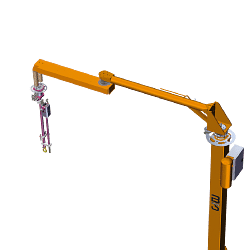
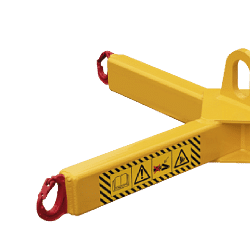
An introduction to hydraulic cranes and hoists
In the world of mechanical workshops, efficiency and safety are two fundamental pillars for ensuring smooth, hassle-free operations. Among the tools that play a crucial role in this context, hydraulic cranes and hoists stand out as indispensable equipment. These devices not only facilitate the lifting and moving of heavy loads, but also offer a level of precision and control that is essential for complex operations. In this article, we will explore in detail what hydraulic cranes and hoists are, how they work, their advantages and their practical applications in mechanical workshops.
What are hydraulic cranes and hoists?
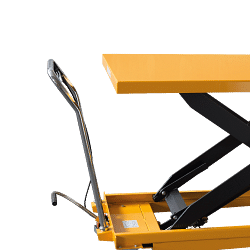
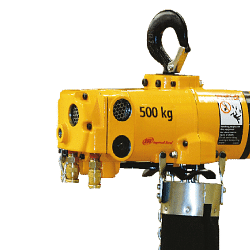
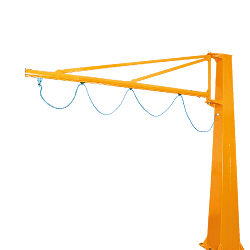
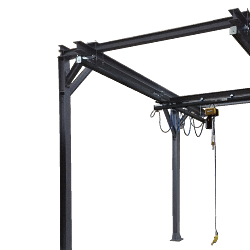
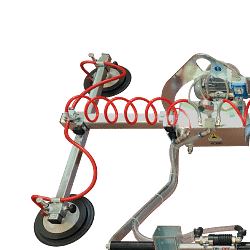
Hydraulic cranes and hoists are devices designed to lift and move heavy loads using hydraulic power. Hydraulics is a technology that utilises fluid pressure to generate force and movement. These tools consist of a system of cylinders and pistons which, by applying pressure to a fluid – usually hydraulic oil – enable loads to be lifted with ease and precision. Hydraulic cranes vary in size and capacity, ranging from small portable hoists to large industrial cranes used on construction sites and in workshops.
How hydraulic cranes and hoists work
The operating principle of hydraulic cranes and hoists is based on Pascal’s law, which states that pressure applied to a fluid in a closed container is transmitted uniformly in all directions. In practice, when a force is applied to a piston inside a hydraulic cylinder, this force is amplified and transmitted to the opposing piston, enabling the load to be lifted. This system offers a significant mechanical advantage, allowing very heavy loads to be lifted with relatively little effort.
Practical applications in mechanical workshops
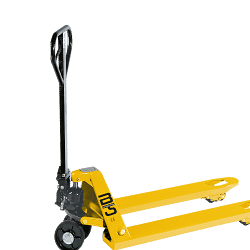
In mechanical workshops, hydraulic cranes and hoists are used in a wide range of operations. They are used to lift engines, vehicle components, heavy equipment and building materials. Their ability to lift heavy loads with precision makes them ideal for assembly and maintenance operations. Furthermore, the mobility of certain models of hydraulic hoists allows loads to be moved easily within the workshop, improving operational efficiency.
Advantages of using hydraulic cranes and hoists
The use of hydraulic cranes and hoists offers numerous advantages. Firstly, they improve workplace safety by reducing the risk of injuries associated with manually lifting heavy loads. Furthermore, the precision and control offered by hydraulic systems allow loads to be positioned with great accuracy, reducing the risk of damage to materials and equipment. The versatility of these tools makes them suitable for a wide range of applications, whilst their robustness and durability ensure a long-term investment for mechanical workshops.
How to choose the right hydraulic crane or hoist
Choosing the right hydraulic crane or hoist depends on several factors, including the required lifting capacity, the space available in the workshop and the type of operations to be carried out. It is also important to consider the device’s mobility, ease of use and maintenance requirements. Consulting an expert or a specialist supplier can help identify the model best suited to the workshop’s specific needs.
Maintenance and safety of hydraulic cranes and lifts
Regular maintenance of hydraulic cranes and hoists is essential to ensure they operate safely and efficiently. It is important to check hydraulic oil levels periodically, inspect the condition of cylinders and pistons, and ensure that all moving parts are properly lubricated. Furthermore, it is vital to follow safety guidelines during use, such as avoiding overloading and using personal protective equipment.
Innovations in the range of hydraulic cranes and hoists
In recent years, the hydraulic crane and hoist sector has seen numerous technological innovations. The integration of electronic control systems has improved precision and ease of use, whilst the adoption of lightweight yet durable materials has increased lifting capacity without compromising manoeuvrability. Furthermore, the development of environmentally friendly solutions, such as energy-efficient hydraulic systems, is helping to reduce the environmental impact of industrial operations.
FAQs on hydraulic cranes and hoists
What is the difference between a hydraulic crane and a hydraulic hoist?
The main difference lies in their design and application. Hydraulic cranes are generally larger and used to lift heavy loads on construction sites and in workshops, whilst hydraulic hoists are more compact and often used for lighter, more precise lifting operations.
How is the lifting capacity of a hydraulic crane calculated?
The lifting capacity of a hydraulic crane is determined by the force of the hydraulic system and the length of the crane’s boom. It is important to consult the manufacturer’s specifications for precise information.
What are the main components of a hydraulic system?
The main components of a hydraulic system include the oil reservoir, the hydraulic pump, the cylinders and pistons, the control valves and the hoses.
Can a hydraulic crane be used outdoors?
Yes, many hydraulic cranes are designed for outdoor use, but it is important to consider the environmental conditions and ensure that the equipment is adequately protected from the elements.
What are the risks associated with using hydraulic cranes and hoists?
The main risks include overloading, hydraulic system malfunction and improper use of the equipment. It is essential to follow safety guidelines and undergo appropriate training.
How do you maintain a hydraulic hoist?
Maintenance of a hydraulic lift involves checking oil levels, inspecting components for damage and lubricating moving parts. It is advisable to follow the manufacturer’s instructions.
What are the safety regulations for the use of hydraulic hoists?
Safety regulations vary depending on the country and sector, but generally include requirements for operator training, regular equipment inspection and the use of personal protective equipment.
Is it possible to hire a hydraulic crane for temporary use?
Yes, many companies offer hydraulic crane hire services for temporary use, allowing you to access high-quality equipment without a long-term investment.
What are the alternatives to hydraulic cranes for lifting heavy loads?
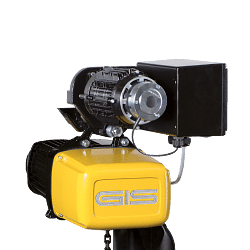
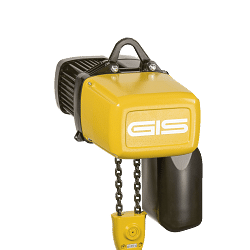
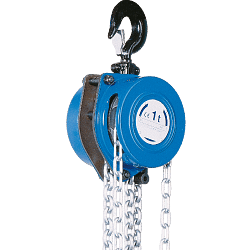
Alternatives include electric cranes, chain hoists and rope lifting systems. The choice depends on specific operational requirements and environmental conditions.
How can operational efficiency be improved through the use of hydraulic hoists?
Operational efficiency can be improved through proper operator training, regular equipment maintenance and the optimisation of load lifting and handling processes.Read More Read Less