The importance of safety helmets in mechanical workshops
Work helmets are essential personal protective equipment in many industrial sectors, including mechanical workshops. These items not only ensure the safety of workers, but also help to improve operational efficiency by reducing the risk of accidents. In this article, we will explore in detail what safety helmets are, what they are used for, how they are used and what benefits they offer. We will also answer the most frequently asked questions on this topic.
What are safety helmets?
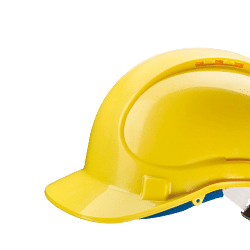
Work helmets are protective devices designed to protect the head from impacts, falling objects and other hazards present in industrial workplaces. Made from durable materials such as polycarbonate or high-density polyethylene, these helmets are designed to absorb and distribute the energy of an impact, reducing the risk of head injuries.
What are safety helmets used for?
Work helmets are primarily used to protect workers’ heads from potential hazards in the workplace. In a mechanical workshop, for example, workers may be exposed to risks such as falling tools, collisions with metal structures or exposure to chemicals. Safety helmets provide a physical barrier that reduces the risk of serious injury.
How are safety helmets used?
Correct use of safety helmets is essential to ensure maximum protection. Before putting on a helmet, it is important to ensure that it is the right size and is adjusted correctly. Helmets must be worn so that they completely cover the top of the head and are securely fastened with the chin strap. It is essential to check the helmet regularly for any damage or signs of wear that could compromise its effectiveness.
Benefits of using safety helmets
The use of safety helmets offers numerous benefits, including:
1. Head protection: Helmets reduce the risk of head injuries in the event of an impact or falling objects. 2. Regulatory compliance: The use of safety helmets is often required by workplace safety regulations, ensuring that the company complies with applicable laws. 3. Cost reduction: Preventing accidents reduces the costs associated with workplace incidents, such as medical expenses and production downtime. 4. Improved productivity: A safe working environment boosts workers’ confidence, improving their efficiency and productivity. 5. Corporate image: A company that invests in the safety of its employees enhances its reputation and market appeal.
Frequently asked questions about safety helmets
What are the most common materials used for safety helmets?
Work helmets are commonly made from polycarbonate or high-density polyethylene, materials known for their impact resistance and light weight.
How often should safety helmets be replaced?
Work helmets should be replaced every 3–5 years, or immediately if they show signs of damage or wear and tear.
Are safety helmets compulsory in all mechanical workshops?
Yes, in many jurisdictions, the use of safety helmets is compulsory in environments where there is a risk of head injury.
How do you clean a safety helmet?
Work helmets can be cleaned with lukewarm water and mild soap. It is important to avoid using chemical solvents that could damage the material.
Can safety helmets be customised?
Yes, many manufacturers offer customisation options for helmets, such as adding company logos or choosing specific colours.
What is the difference between a work helmet and a safety helmet?
Work helmets are specifically designed to protect the head in industrial environments, whilst safety helmets may include additional protection for the face and neck.
Are work helmets resistant to high temperatures?
Many work helmets are designed to withstand high temperatures, but it is important to check the manufacturer’s specifications to confirm their heat resistance.
Can accessories be used with work helmets?
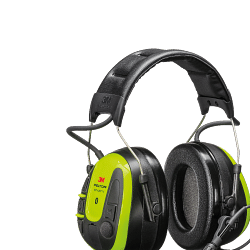
Yes, there are various accessories compatible with work helmets, such as visors, ear defenders and headlamps.
Are safety helmets suitable for all head shapes?
Safety helmets are available in different sizes and styles to suit different head shapes and sizes.
How is a safety helmet’s compliance with safety regulations verified?
Safety helmets must be certified to national or international safety standards, such as the EN 397 standard in Europe.