An introduction to workwear for mechanical workshops
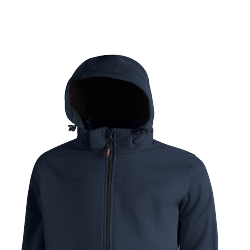
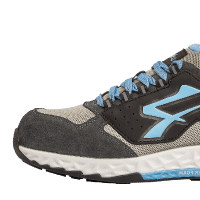
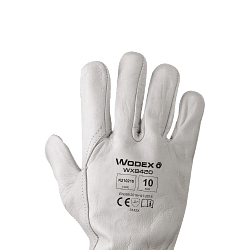
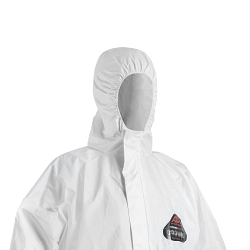
In the context of mechanical workshops, the choice of workwear is crucial to ensuring safety, comfort and productivity. These garments are not merely a regulatory requirement, but represent a fundamental element in protecting workers and ensuring operational efficiency. In this article, we will explore in detail what workwear is, what it is used for, how it is used and what benefits it offers.
Features of workwear
Workwear for mechanical workshops is designed to withstand harsh working conditions. They are made from robust, hard-wearing materials, such as heavy-duty cotton or fabrics blended with synthetic fibres. These materials offer protection against cuts, abrasions and chemicals. Furthermore, workwear must be flame-retardant and anti-static to ensure maximum safety in potentially hazardous environments.
Functionality and use of workwear
Workwear not only protects workers but also enhances their efficiency. Work overalls, for example, are designed to offer freedom of movement, allowing workers to carry out their tasks without restriction. Multiple pockets and reinforcements at points of high wear are common features that enhance the practicality and durability of the garments.
Benefits of workwear
The use of appropriate workwear and uniforms brings numerous benefits. Firstly, they improve safety in the workplace by reducing the risk of accidents. Furthermore, they help to create a more professional and organised working environment. Workwear can also boost staff morale, as it provides a sense of belonging and corporate identity.
Selecting workwear: factors to consider
When selecting workwear for a mechanical workshop, it is important to consider several factors. The durability of the material, the fit, ease of maintenance and compliance with safety regulations are all crucial aspects. Furthermore, it is essential to choose garments that are suited to the workshop’s specific operational requirements.
Maintenance and care of workwear
Maintaining workwear is vital to ensuring its durability and effectiveness. It is important to follow the washing and care instructions provided by the manufacturer to prevent damage to the fabrics and the protective properties of the garments. Regular cleaning and prompt repair of any damage are essential practices for keeping garments in optimal condition.
Innovations in workwear materials
In recent years, the workwear industry has seen significant innovations in the materials used. Advanced technical fabrics, such as those with antibacterial properties or offering UV protection, are becoming increasingly common. These innovations further enhance workers’ safety and comfort, making workwear more effective and versatile.
Regulations and safety standards for workwear
Workwear must comply with specific safety regulations and standards to ensure workers’ protection. In Europe, for example, workwear must comply with EC directives and EN standards. These standards set out minimum safety requirements, such as fire resistance, protection against chemicals and high visibility.
Customisation of workwear
The customisation of workwear is an important consideration for many companies. Adding company logos, employees’ names or other distinctive features can enhance the company’s image and foster a sense of belonging amongst workers. Furthermore, personalisation may include choosing specific colours or modifying the design to better suit operational needs.
Conclusions: the importance of workwear
In conclusion, workwear is an essential element for mechanical workshops. It offers protection, comfort and improves operational efficiency. Choosing the right clothing, maintaining it properly and complying with safety regulations are crucial to ensuring a safe and productive working environment.
FAQs on workwear
What are the most common materials used for workwear?
The most common materials include heavy-duty cotton, polyester, nylon and blended fabrics with synthetic fibres to ensure strength and durability.
How is the safety of workwear ensured?
Safety is ensured through compliance with safety regulations and standards, such as CE directives and EN standards.
What are the benefits of customising workwear?
Customisation enhances the company’s image, promotes a sense of belonging and can include logos, names and specific colours.
How should workwear be maintained?
Maintenance involves regular washing in accordance with the manufacturer’s instructions and the prompt repair of any damage.
What innovations in materials are influencing workwear?
Innovations such as antibacterial and UV-protective fabrics are improving the safety and comfort of workwear.
Why is the fit of workwear important?
A good fit ensures comfort, freedom of movement and reduces the risk of accidents at work.
What are the safety regulations for workwear in Europe?
In Europe, workwear must comply with EC directives and EN standards, which set out the minimum safety requirements.
How does workwear improve operational efficiency?
It offers freedom of movement, protection and practicality, enabling workers to carry out their tasks efficiently.
What are the essential features of workwear for mechanical workshops?
It must be durable, flame-retardant, anti-static and feature multiple pockets and reinforcements in areas subject to the most wear and tear.
How do you choose the right workwear for a mechanical workshop?
Consider the durability of the material, the fit, ease of maintenance and compliance with safety regulations.Read More Read Less