< Safety equipment Safety goggles
The importance of safety goggles in mechanical workshops
In the context of mechanical workshops, health and safety at work is a top priority. Safety glasses are a fundamental element in ensuring workers’ eyes are protected from potential risks and hazards. These items of personal protective equipment are designed to withstand impacts, flying debris, dust and chemicals, providing an effective barrier against eye injuries. In this article, we will explore in detail what safety glasses are, what they are used for, how to use them, the benefits of wearing them, and we will answer the most frequently asked questions.
What are safety glasses?
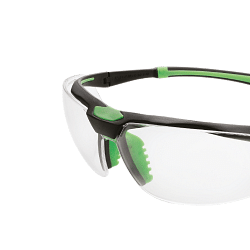
Safety glasses are personal protective equipment designed to protect the eyes from various hazards present in the workplace, particularly in mechanical workshops. Made from impact- and chemical-resistant materials, these glasses are fitted with special lenses that offer optimal protection against splinters, dust and light radiation. Their robust construction and ergonomic design ensure comfort and safety during prolonged use.
What are safety glasses used for?
Safety glasses are used to protect workers’ eyes from a range of hazards found in mechanical workshops. Among the most common hazards are metal splinters, sparks generated during welding operations, fine dust and corrosive chemicals. Furthermore, these goggles offer protection against ultraviolet and infrared rays, which can cause permanent damage to eyesight. The use of safety goggles is essential to prevent eye injuries and ensure a safe working environment.
How do you use safety glasses?
Correct use of safety glasses is vital to ensure maximum protection. Before putting them on, it is important to ensure they are clean and free from scratches or damage that could impair visibility. The glasses must be worn so that they fit snugly against the face, leaving no gaps through which hazardous particles could enter. It is essential to adjust the arms and the nose bridge to ensure a comfortable and secure fit. During tasks that pose a risk to the eyes, safety glasses must be worn at all times.
Benefits of using safety glasses
The use of safety glasses offers numerous benefits, including effective protection against eye injuries, a reduced risk of workplace accidents and improved overall safety in the workplace. These devices help to prevent serious injuries that could compromise employees’ eyesight and ability to work. Furthermore, the use of high-quality safety glasses can improve productivity, as workers feel safer and more protected, thereby reducing anxiety and stress associated with potential hazards.
Frequently asked questions about safety glasses
What are the most common materials used for safety glasses?
Safety glasses are generally made from polycarbonate, a lightweight and impact-resistant material, or from acetate, which offers good chemical resistance.
Can safety glasses be used with prescription lenses?
Yes, there are models of safety glasses that can be fitted with prescription lenses for those who require vision correction.
How should safety glasses be cleaned properly?
Safety glasses should be cleaned with a soft cloth and a lens-specific cleaner, avoiding the use of harsh solvents which could damage the lenses.
What is the average lifespan of safety glasses?
The lifespan of safety glasses depends on use and maintenance, but it is generally recommended to replace them every two years or when they show signs of wear and tear.
Are safety glasses compulsory in all mechanical workshops?
Yes, in many jurisdictions, the use of safety glasses is required by law in workplaces where there are risks to the eyes.
What are the relevant standards for safety glasses?
Regulations vary from country to country, but are generally based on international standards such as EN 166 in Europe or ANSI Z87.1 in the United States.
Can safety glasses protect against UV rays?
Yes, many safety glasses are fitted with lenses that offer protection against ultraviolet rays.
Can safety glasses be customised?
Some manufacturers offer the option to customise safety glasses with specific features, such as polarised lenses or anti-fog coatings.
What are the differences between safety glasses and protective visors?
Safety glasses provide direct protection for the eyes, whilst protective visors also cover the face, offering more comprehensive protection.
How do you choose the most suitable model of safety glasses?
The choice of model depends on the specific risks present in the workplace and on individual requirements for comfort and visibility.Read More Read Less