The importance of handwheels, knobs and cranks in mechanical workshops
In the world of mechanical workshops, efficiency and precision are key to ensuring the quality of work and customer satisfaction. Among the tools that play a crucial role in this context are handwheels, knobs and operating handles. These components, which are often underestimated, are essential for controlling and adjusting complex machinery, helping to improve productivity and safety in the workplace.
What are handwheels, knobs and operating levers?
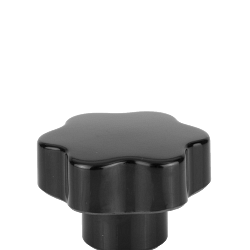
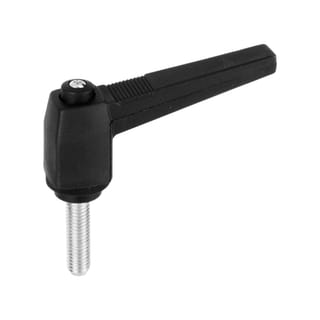
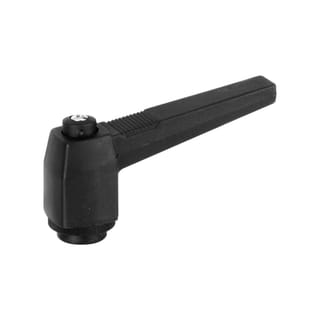
Handwheels, knobs and operating handles are mechanical devices used to control and adjust the movement of machinery and equipment. Handwheels are generally used to adjust the position of moving components, such as work tables or machine tool axes. Knobs, on the other hand, are used to control valves, switches or other devices that require manual adjustment. Finally, cranks are used to transmit rotary motion to a shaft or another mechanical component.
What are they used for and how are they used?
These tools are designed to provide precise and reliable control over machinery, enabling operators to make fine adjustments and maintain control during operations. Handwheels, for example, are often used to adjust the position of a workpiece on a machine tool, allowing the operator to achieve the precision required for complex machining operations. Knobs are used to adjust the pressure or flow of fluids in hydraulic or pneumatic systems, whilst cranks are used to operate lifting mechanisms or mechanisms for transmitting motion.
Benefits of using handwheels, knobs and cranks
The use of these components offers numerous advantages, including greater control and precision in operations, reduced machine downtime and improved workplace safety. Thanks to their ability to provide precise manual control, handwheels, knobs and cranks enable operators to make quick and accurate adjustments, reducing the risk of errors and improving the quality of the final product. Furthermore, their robustness and reliability help to reduce maintenance costs and extend the service life of machinery.
Materials and design: key factors in the selection process
The choice of materials and design is crucial to ensuring the durability and efficiency of handwheels, knobs and cranks. The most common materials include metals such as steel and aluminium, known for their strength and durability, and plastics such as nylon and polypropylene, valued for their lightness and resistance to corrosion. Ergonomic design is another crucial factor, as it helps to reduce operator fatigue and improve the precision of operations.
Technological innovations and future trends
As technology advances, handwheels, knobs and cranks are also evolving to meet the needs of modern mechanical workshops. The integration of sensors and electronic control systems is transforming these components into smart devices, capable of communicating with production management systems and providing real-time data on operations. These innovations are opening up new possibilities for improving workshop efficiency and productivity, whilst reducing operating costs.
FAQs on handwheels, knobs and cranks
What are the main materials used in the manufacture of handwheels, knobs and cranks?
The main materials used are metals such as steel and aluminium, and plastics such as nylon and polypropylene.
How does ergonomic design affect the use of these components?
Ergonomic design reduces operator fatigue and improves the precision of operations.
What are the benefits of integrating sensors into handwheels, knobs and cranks?
The integration of sensors allows operations to be monitored in real time and improves efficiency and productivity.
How do you choose the handwheel, knob or crank handle best suited to your needs?
The choice depends on your specific operational requirements, taking into account factors such as material, design and dimensions.
What are the most common applications of these components in mechanical workshops?
They are commonly used to control machine tools, valves and lifting mechanisms.
What is the difference between a handwheel and a crank handle?
A handwheel is used to adjust the position of moving components, whilst a crank handle transmits rotary motion.
How are handwheels, knobs and cranks maintained?
Maintenance involves regular cleaning and checking the structural integrity to ensure optimal operation.
What are the future trends in the design of these components?
Future trends include the integration of smart technologies and advanced materials to improve performance.
How does the choice of material affect the service life of these components?
The choice of material affects resistance to corrosion and wear, thereby determining the component’s service life.
What are the main factors to consider when selecting these components for a specific application?
The main factors include the type of application, operating conditions and specific control and regulation requirements.Read More Read Less