An introduction to threadlockers: an essential component for the mechanical engineering industry
In the world of mechanical workshops, the reliability and safety of threaded connections are of paramount importance. Threadlockers represent an advanced technical solution to ensure that threaded joints remain secure and safe even under conditions of mechanical stress and vibration. This article will explore in detail what threadlockers are, what they are used for, how to use them, the benefits of using them, and will answer the most frequently asked questions on this topic.
What are threadlockers and how do they work?
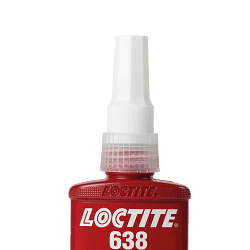
Threadlockers are anaerobic adhesives designed to lock and seal threaded joints. These chemical compounds polymerise in the absence of oxygen and in the presence of metal, creating a strong and durable connection. Their formulation allows them to completely fill the spaces between the threads, preventing loosening caused by vibrations and impacts.
Applications and use of threadlockers in industry
Threadlockers are used across a wide range of industrial sectors, including the automotive, aerospace, machinery manufacturing and electronics industries. They are used to ensure the safety and reliability of threaded connections in critical components such as engines, transmissions, pumps and valves. Applying threadlockers is simple: the product is applied directly to the thread of the bolt or screw before assembly. Once assembled, the threadlocker begins to cure, creating a strong and durable connection.
The benefits of using threadlockers
The use of threadlockers offers numerous advantages. Firstly, they improve the safety of threaded joints, reducing the risk of loosening and mechanical failure. Furthermore, they protect threads from corrosion and wear, extending the service life of components. Threadlockers are also resistant to extreme temperatures and aggressive chemicals, making them ideal for applications in harsh environments. Finally, the use of threadlockers can reduce the need for maintenance and repairs, helping to lower overall operating costs.
Types of threadlockers and selection criteria
There are various types of threadlockers, each designed for specific applications and operating conditions. Low-strength threadlockers are ideal for applications requiring frequent disassembly, whilst high-strength threadlockers are suitable for permanent connections. Choosing the right threadlocker depends on various factors, including the material of the parts to be joined, environmental conditions and mechanical strength requirements. It is important to consult the product data sheets and, if necessary, seek expert advice to select the threadlocker best suited to your needs.
Frequently asked questions about threadlockers
What are the main advantages of threadlockers compared to traditional fastening methods?
Threadlockers offer greater resistance to vibration and shock than traditional methods such as washers and self-locking nuts. Furthermore, they protect threads from corrosion and wear.
Can threadlockers be used on all types of metal?
Yes, threadlockers are compatible with most metals, including steel, aluminium and brass. However, it is important to check compatibility with the specific material by consulting the product data sheets.
Is it possible to remove a component assembled with threadlocker?
Yes, components assembled with threadlocker can be removed by applying heat or using specialised tools to break the adhesive bond.
Are threadlockers resistant to high temperatures?
Yes, many threadlockers are designed to withstand high temperatures, up to 200°C or more, depending on the specific formulation.
How do you apply threadlockers correctly?
To apply threadlockers correctly, clean the threads thoroughly, apply the product to the thread of the bolt or screw, and assemble immediately.
What are the differences between low, medium and high-strength threadlockers?
Low-strength threadlockers are easy to dismantle; medium-strength ones offer a good balance between hold and ease of dismantling; whilst high-strength ones are ideal for permanent connections.
Can threadlockers be used on plastic components?
No, threadlockers are designed for use on metals and are not suitable for plastic components.
How long do threadlockers take to cure completely?
Curing time varies depending on the product, but threadlockers generally reach their maximum strength within 24 hours.
Is it necessary to use a primer before applying threadlockers?
Using a primer can improve adhesion on passive or non-reactive surfaces, but it is not always necessary. Please refer to the product instructions to determine whether a primer is recommended.
Can threadlockers be used in damp or wet environments?
Yes, once cured, threadlockers offer good resistance to moisture and water, making them suitable for use in damp environments.Read More Read Less