< Chemical, adhesives and sealants Sealants and locking compounds
An introduction to sealants and locking compounds for industry
In the world of mechanical workshops, the importance of sealants and locking compounds cannot be underestimated. These products are essential for ensuring the safety, efficiency and longevity of industrial equipment. But what exactly are sealants and locking compounds? What are they used for and how are they applied? In this in-depth guide, we will explore these products in detail, analysing their benefits and answering the most frequently asked questions.
Understanding sealants: definition and applications
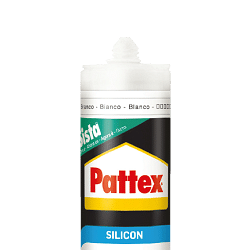
Sealants are materials used to prevent fluids from passing through surfaces or joints. They are vital in many industrial applications where leak prevention is crucial. Sealants can be used in a variety of contexts, from engine gaskets to pipe joints. Their main function is to fill gaps and create an impenetrable barrier, thereby protecting components from wear and corrosion.
Lock-up compounds: a solution for safety and reliability
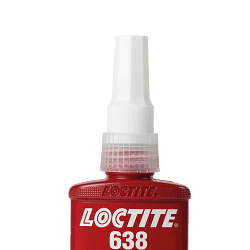
Lock-taps, on the other hand, are designed to prevent the unwanted movement of mechanical components. They are often used to secure bolts and screws, preventing them from loosening due to vibrations or dynamic loads. This is particularly important in critical applications where safety and reliability are essential. Lock compounds ensure that connections remain secure, reducing the risk of mechanical failure.
Advantages of using sealants and lock compounds
The use of sealants and lock compounds offers numerous advantages. Firstly, they improve operational efficiency by reducing fluid leaks and preventing components from coming loose. Furthermore, they help to extend the service life of equipment, reducing the need for maintenance and repairs. This translates into time and cost savings for engineering workshops. Finally, they improve operational safety by reducing the risk of accidents caused by mechanical failures.
How to choose the right sealant or locking compound
Choosing the right sealant or locking compound depends on several factors, including the type of application, operating conditions and the materials involved. It is important to consider chemical compatibility, temperature resistance and adhesion. Furthermore, it is essential to follow the manufacturer’s instructions to ensure correct and safe application. Selecting the right product can make the difference between a successful application and a potential failure.
Practical application: how to use sealants and locking compounds
Correct application of sealants and threadlockers is essential for achieving the best results. Before applying a sealant, it is important to clean the surfaces thoroughly to remove dirt, grease and residues. The sealant should then be applied evenly, following the manufacturer’s guidelines. For threadlockers, it is vital to apply the correct amount of product to the threads of screws or bolts, ensuring they are tightened securely. Correct application guarantees an effective and long-lasting seal.
Innovations in sealants and threadlockers: the future of the industry
The sealant and threadlocker industry is constantly evolving, with new technologies and materials improving performance and efficiency. Recent innovations include sealants based on advanced polymers and threadlockers with high-temperature resistance properties. These developments offer more effective solutions to modern challenges, enabling engineering workshops to operate with greater safety and reliability.
FAQs on sealants and locking compounds
What are the main types of sealants available on the market?
The main types of sealants include silicone, polyurethane, acrylic and butyl, each with specific properties suited to different applications.
How can I determine which locking compound to use for a specific application?
The choice of sealant depends on the type of material, the operating conditions and the level of resistance required. It is essential to consult the manufacturer’s specifications.
Can sealants be used on painted surfaces?
Yes, many sealants are compatible with painted surfaces, but it is important to check chemical compatibility to avoid unwanted reactions.
What are the advantages of silicone sealants compared to other types?
Silicone sealants offer excellent resistance to high temperatures and weathering, making them ideal for outdoor and high-temperature applications.
Is it possible to remove a sealant once it has been applied?
Yes, sealants can be removed, but the process may vary depending on the type of sealant. Specific solvents or mechanical tools may be required.
Can locking compounds be used on plastic components?
Some sealants are compatible with plastic, but it is important to check compatibility to avoid damaging the components.
How long does it take for a sealant to cure completely?
Curing time varies depending on the type of sealant and environmental conditions, but generally ranges from a few hours to several days.
Can sealants be used in food-grade environments?
There are specific sealants approved for use in food-grade environments, but it is essential to check the relevant certifications and regulations.
How can I improve the adhesion of a sealant on difficult surfaces?
Surface preparation is crucial. Clean the surface and, if necessary, use a primer to improve the sealant’s adhesion.
What safety precautions should be followed when applying sealants and blockers?
Wear personal protective equipment, work in well-ventilated areas and follow the manufacturer’s instructions to ensure safe application.Read More Read Less