An introduction to electrodes: an essential component in mechanical workshops
Electrodes are a fundamental element in the world of mechanical workshops, playing a crucial role in numerous industrial processes. These components, which are often underestimated, are essential for ensuring the quality and efficiency of welding and cutting operations. In this article, we will explore in detail what electrodes are, what they are used for, how they are used and what benefits they offer in the context of mechanical workshops.
What are electrodes and how do they work?
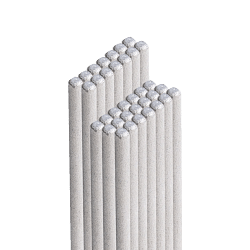
Electrodes are electrical conductors used to establish electrical contact with a non-metallic part of a circuit, such as a semiconductor, an electrolyte or a vacuum. In the context of mechanical workshops, electrodes are primarily used in welding and cutting processes. They are designed to conduct an electric current through a workpiece, generating sufficient heat to melt the metal and create a strong joint.
Electrodes can be classified into two main categories: consumable electrodes and non-consumable electrodes. Consumable electrodes, such as those used in shielded metal arc welding (SMAW), are consumed during the welding process, contributing to the filler material. Non-consumable electrodes, such as the tungsten electrodes used in TIG (Tungsten Inert Gas) welding, do not wear away and serve only to conduct the electric current.
Applications of electrodes in engineering workshops
Electrodes are used in a wide range of industrial processes, including welding, plasma cutting and electrical discharge machining (EDM). In engineering workshops, welding is one of the most common applications for electrodes. The choice of electrode type depends on the material to be welded, the type of weld and the specific requirements of the project.
In plasma cutting, electrodes are used to generate an electric arc that ionises the gas, creating a high-temperature plasma capable of cutting metals with precision. In electrical discharge machining (EDM), electrodes are used to remove material from a workpiece through controlled electrical discharges.
Advantages of using electrodes in machine shops
The use of electrodes in mechanical workshops offers numerous advantages. Firstly, they enable high-quality welded joints to be achieved, which are essential for ensuring the strength and durability of metal structures. Furthermore, welding and cutting processes that use electrodes are highly versatile and can be applied to a wide range of materials, including steel, aluminium and special alloys.
Another significant advantage is energy efficiency. Processes using electrodes are generally more energy-efficient than other joining and cutting techniques, reducing operating costs and environmental impact. Furthermore, electrode technology continues to evolve, offering increasingly advanced and high-performance solutions to meet the needs of modern mechanical workshops.
How to choose the right electrodes for your needs
Choosing the right electrodes is crucial to ensuring the success of welding and cutting processes. Several factors must be considered when selecting electrodes, including the type of material to be worked on, the thickness of the material, the type of welding or cutting required, and the environmental conditions.
For arc welding, for example, it is important to choose an electrode with the correct coating for the specific material. Electrodes coated with iron oxides are ideal for carbon steel, whilst those with aluminium-based coatings are more suitable for aluminium and its alloys. In plasma cutting, the choice of electrode depends on the machine’s power and the type of gas used.
Frequently asked questions about electrodes in engineering workshops
What are the main types of electrodes used in welding?
The main types of electrodes used in welding are consumable electrodes, such as those for coated-electrode arc welding, and non-consumable electrodes, such as tungsten electrodes for TIG welding.
How does the electrode coating affect the quality of the weld?
The electrode coating affects arc stability, protection of the weld pool and the overall quality of the welded joint. A suitable coating can improve the weld’s corrosion resistance and durability.
What are the advantages of using non-consumable electrodes?
Non-consumable electrodes, such as tungsten electrodes, offer greater service life and arc stability, reducing the need for frequent replacements and improving the efficiency of the welding process.
How should electrodes be stored correctly?
Electrodes must be stored in a dry, moisture-free environment to prevent corrosion and deterioration of the coating. It is advisable to use sealed containers or dedicated storage cabinets.
What safety precautions should be taken when using electrodes?
When using electrodes, it is important to wear personal protective equipment, such as gloves and welding masks, to protect against sparks, heat and ultraviolet radiation.
How do you determine the correct electrode size for a specific project?
The size of the electrode depends on the thickness of the material to be welded and the type of joint required. It is important to consult the manufacturer’s technical specifications and the project guidelines.
What are the differences between welding electrodes and plasma cutting electrodes?
Welding electrodes are designed to melt and join materials, whilst plasma cutting electrodes are used to generate an electric arc that cuts through metals using plasma.
How does the composition of the electrode affect the welding of different materials?
The composition of the electrode must be compatible with the material to be welded to ensure a strong and durable joint. Specific electrodes are designed for materials such as steel, aluminium and special alloys.
What are the emerging trends in electrode technology?
Emerging trends include the development of electrodes with advanced coatings to improve weld quality and energy efficiency, as well as the use of innovative materials for non-consumable electrodes.
How can common problems be resolved when using electrodes?
Common problems, such as arc instability or poor weld quality, can be resolved by adjusting the current, choosing the correct coating and keeping the electrodes in good condition.Read More Read Less