An introduction to penetrating oils, lubricants and anti-seize compounds
In the world of mechanical workshops, the efficiency and durability of equipment are essential to ensuring smooth, uninterrupted operations. Penetrating oils, lubricants and anti-seize compounds play a crucial role in this context, providing essential solutions for the maintenance and protection of machinery. These products are designed to reduce friction, prevent corrosion and facilitate the removal of seized components, thereby helping to extend the service life of equipment and improve overall performance.
Understanding the function of penetrating oils
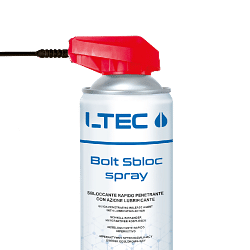
Penetrating oils are chemical formulations specifically designed to penetrate and loosen seized or rusted metal components. These products are particularly useful in mechanical workshops where bolts, nuts and other fasteners can become difficult to remove due to rust or the build-up of dirt. Penetrating oils work by dissolving rust and lubricating surfaces, thereby facilitating disassembly without damaging the components.
The role of lubricants in mechanical workshops
Lubricants are substances that reduce friction between moving surfaces, minimising wear and the heat generated during the operation of machinery. In mechanical workshops, the use of suitable lubricants is essential to ensure that machinery operates efficiently and smoothly. There are various types of lubricants, including oils, greases and dry lubricants, each with specific properties suited to different applications. Choosing the right lubricant depends on various factors, including the type of machinery, operating conditions and specific lubrication requirements.
Benefits of anti-seize compounds for preventive maintenance
Anti-seize compounds are designed to prevent seizing and corrosion of metal components, particularly under high-temperature and high-pressure conditions. These products form a protective barrier between metal surfaces, preventing direct contact and reducing the risk of seizing. In engineering workshops, the use of anti-seize compounds is essential for preventative maintenance, as it helps to avoid costly machine downtime and repairs. Anti-seize compounds are particularly useful for applications involving threads, flanges and joints, where the risk of seizing is high.
Practical applications and correct use
The correct application of release agents, lubricants and anti-seize compounds is essential to achieve the best results. Before applying a rust remover, it is important to clean the surface to remove dirt and debris that could hinder the product’s effectiveness. Rust removers must be applied generously and left to work for a sufficient period of time to penetrate and dissolve rust. Lubricants, on the other hand, must be applied in adequate quantities to ensure even coverage of moving surfaces. Anti-seize compounds must be applied in a thin, even layer, paying particular attention to areas prone to seizing.
Benefits of using rust removers, lubricants and anti-seize compounds
The regular use of rust removers, lubricants and anti-seize compounds offers numerous benefits for mechanical workshops. These products help to reduce component wear, improve operational efficiency and extend the service life of equipment. Furthermore, they facilitate the maintenance and assembly/disassembly of components, reducing machine downtime and repair costs. The use of anti-seize compounds, in particular, helps prevent seizing and corrosion, ensuring that components can be easily dismantled and reused.
Frequently asked questions about release agents, lubricants and anti-seize compounds
What is the difference between a lubricant and an anti-seize compound?
A lubricant reduces friction between moving surfaces, whilst an anti-seize agent prevents seizing and corrosion between metal surfaces.
How do you apply a penetrating oil correctly?
Clean the surface, apply the penetrating oil generously and leave it to work for as long as necessary to allow it to penetrate and dissolve the rust.
What are the most common types of lubricants?
The most common types include oils, greases and dry lubricants, each suited to specific applications and operating conditions.
When is it advisable to use an anti-seize compound?
Anti-seize compounds are recommended for high-temperature and high-pressure applications, particularly on threads, flanges and joints.
Can anti-seize compounds damage metal components?
If used correctly, anti-seize compounds do not damage metal components, but it is important to follow the manufacturer’s instructions.
What are the benefits of regular use of lubricants?
Regular use of lubricants reduces wear, improves operational efficiency and extends the service life of equipment.
Are anti-seize compounds suitable for all metal surfaces?
Anti-seize compounds are generally suitable for most metal surfaces, but it is important to check compatibility with specific materials.
How do you choose the right lubricant for a specific application?
The choice depends on the type of machinery, the operating conditions and the specific lubrication requirements.
Can release agents be used on painted surfaces?
Some rust removers can damage painted surfaces, so it is important to test the product on a small area before use.
What is the typical shelf life of these products?
The shelf life varies depending on the product, but is generally between 2 and 5 years if stored correctly.Read More Read Less