< Chemical, adhesives and sealants Acrylic, cyanoacrylate and epoxy adhesives
An introduction to acrylic, cyanoacrylate and epoxy adhesives
In the world of mechanical workshops, choosing the right adhesive can make the difference between a job well done and one that requires constant repairs. Acrylic, cyanoacrylate and epoxy adhesives offer a versatile and reliable solution for a wide range of industrial applications. These adhesives are designed to provide superior strength, durability and performance, making them indispensable for those working in the mechanical engineering sector.
Distinctive features of acrylic adhesives
Acrylic adhesives are known for their excellent resistance to weathering and UV rays, making them ideal for outdoor applications. These adhesives offer good adhesion to a variety of surfaces, including metals, glass and certain types of plastic. Their ability to withstand extreme temperatures makes them particularly useful in harsh industrial environments.
Uses and applications of cyanoacrylate adhesives
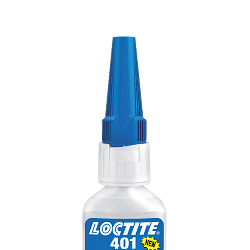
Cyanoacrylate adhesives, commonly known as superglue, are valued for their ability to provide a fast and strong bond. They are particularly effective on smooth, non-porous surfaces, such as metals and plastics. These adhesives are ideal for quick repairs and assemblies requiring an immediate bond. However, it is important to note that their long-term strength can be affected by moisture and high temperatures.
Advantages of epoxy adhesives in industrial applications
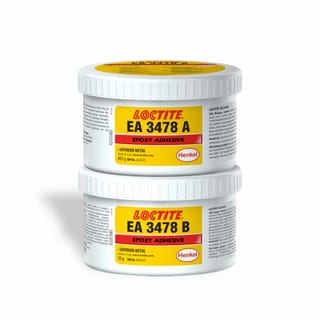
Epoxy adhesives are renowned for their exceptional mechanical and chemical resistance. These adhesives are often used in applications requiring a strong and durable structural bond. Their ability to bond to a wide range of materials, including metals, ceramics and composites, makes them a popular choice in engineering workshops. Furthermore, epoxy adhesives offer good resistance to heat and moisture, ensuring reliable performance even in harsh environmental conditions.
How to choose the right adhesive for your application
Choosing the right adhesive depends on several factors, including the type of materials to be bonded, the environmental conditions and the strength requirements. Acrylic adhesives are ideal for outdoor applications, whilst cyanoacrylates are perfect for quick repairs. Epoxy adhesives, on the other hand, are the best choice for applications requiring a strong and durable structural bond. It is also important to consider curing time and ease of application when choosing an adhesive.
Application techniques for industrial adhesives
Correct application of adhesives is essential to ensure a strong and durable bond. Before applying the adhesive, it is essential to clean the surfaces thoroughly to remove dust, grease and other contaminants. Acrylic and cyanoacrylate adhesives can be applied directly from the flacon, whilst epoxy adhesives often require thorough mixing before application. It is important to follow the manufacturer’s instructions to achieve the best results.
Frequently asked questions about industrial adhesives
What is the main difference between acrylic and cyanoacrylate adhesives?
Acrylic adhesives offer greater resistance to weathering and UV rays, whilst cyanoacrylates provide rapid and strong adhesion to smooth surfaces.
Can epoxy adhesives be used on plastic?
Yes, epoxy adhesives can bond to many types of plastic, but it is important to check compatibility with the specific type of plastic being used.
What are the ideal conditions for applying cyanoacrylate adhesives?
Cyanoacrylate adhesives work best on clean, dry surfaces, at temperatures between 20°C and 25°C.
Are acrylic adhesives water-resistant?
Yes, acrylic adhesives offer good water resistance, making them suitable for outdoor applications.
How long do epoxy adhesives take to cure completely?
The curing time for epoxy adhesives varies, but it generally takes from a few hours to 24 hours to reach full strength.
Can I use cyanoacrylate adhesives for structural applications?
Cyanoacrylate adhesives are not recommended for long-term structural applications due to their limited resistance to moisture and high temperatures.
Can acrylic adhesives be used on metals?
Yes, acrylic adhesives offer good adhesion to metals, making them ideal for industrial applications.
What precautions should I take when using epoxy adhesives?
It is important to wear gloves and safety goggles when applying epoxy adhesives to avoid contact with the skin and eyes.
Are cyanoacrylate adhesives suitable for use on glass?
Yes, cyanoacrylate adhesives can be used on glass, but it is important to ensure that the surfaces are clean and dry.
What is the shelf life of industrial adhesives?
The shelf life varies depending on the type of adhesive, but in general, adhesives should be stored in a cool, dry place to maintain their effectiveness.Read More Read Less