< Chemical, adhesives and sealants Maintenance protectants
An introduction to maintenance protectants for mechanical workshops
In the world of mechanical workshops, preventive and corrective maintenance is essential to ensure the longevity and efficiency of equipment. Maintenance protectants play a crucial role in this context, offering advanced solutions to protect and preserve machinery. These products are designed to reduce wear, prevent corrosion and improve the overall performance of equipment. In this article, we will explore in detail what maintenance protectants are, how they work, their benefits and how to use them.
What are maintenance protectants?
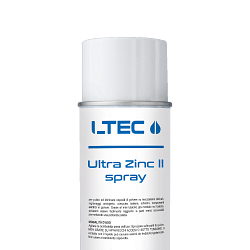
Maintenance protective agents are specific chemical formulations used to protect metallic and non-metallic surfaces from wear and corrosion. These products may take the form of oils, greases, sprays or coatings and are designed to create a protective barrier that prevents direct contact between surfaces and harmful external agents. Applying them is essential for keeping equipment in optimal condition, reducing the need for frequent repairs and extending the service life of machinery.
What are maintenance protectants used for?
Maintenance protective products serve various purposes in mechanical workshops. Firstly, they protect metal surfaces from corrosion caused by moisture, chemicals and other corrosive agents. Furthermore, they reduce friction between moving parts, minimising wear and improving operational efficiency. These products are also used to prevent the build-up of dirt and debris, making it easier to clean and maintain equipment. In short, maintenance protectants are essential for ensuring that equipment operates efficiently and safely.
How are maintenance protectants used?
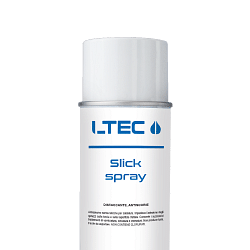
The application of maintenance protectants varies depending on the type of product and the surface to be treated. In general, it is important to follow the manufacturer’s instructions to ensure correct and effective application. Protective oils and greases can be applied directly to surfaces using brushes, rollers or sprayers. Protective sprays are ideal for reaching hard-to-reach areas, whilst coatings may require the use of specialised application equipment. It is essential to ensure that surfaces are clean and dry before application to guarantee optimal adhesion of the product.
Benefits of maintenance protective products
The use of maintenance protective products offers numerous advantages for mechanical workshops. The main benefits include:
1. Reduced wear: Protective coatings reduce friction between moving parts, minimising wear and extending the service life of equipment.
2. Corrosion prevention: They create a protective barrier that prevents corrosion caused by moisture and chemicals.
3. Improved performance: Protected equipment operates more efficiently, reducing downtime and improving productivity.
4. Ease of maintenance: Protective coatings prevent the build-up of dirt and debris, making it easier to clean and maintain equipment.
5. Cost savings: By reducing the need for frequent repairs and replacements, maintenance protectants help to lower overall operating costs.
Frequently asked questions about maintenance covers
What types of maintenance protectants are available?
There are various types of maintenance protectants, including oils, greases, sprays and coatings. The choice of product depends on the specific requirements of the application and the type of surface to be treated.
How do I choose the right maintenance protection product?
Choosing the right maintenance product depends on various factors, including the type of equipment, environmental conditions and specific protection requirements. It is advisable to consult an expert or the manufacturer for personalised advice.
Are maintenance protectants safe to use?
Yes, maintenance protectants are generally safe to use if the manufacturer’s instructions are followed. However, it is important to wear suitable personal protective equipment during application to avoid direct contact with the skin or eyes.
How often should maintenance coatings be applied?
The frequency of application depends on the operating conditions and the type of protective coating used. In general, it is advisable to apply protective coatings regularly to ensure continuous protection.
Can maintenance coatings be used on all surfaces?
Not all protective coatings are suitable for all surfaces. It is important to choose a product that is compatible with the material of the surface to be treated to avoid damage or unwanted reactions.
What are the signs that indicate the need to apply a maintenance protective coating?
Signs such as increased wear and tear, the presence of rust or corrosion, and a decline in equipment performance indicate that a maintenance protective coating needs to be applied.
Can maintenance protective coatings improve the energy efficiency of equipment?
Yes, by reducing friction and improving equipment performance, maintenance protectants can help to improve overall energy efficiency.
Can maintenance protective coatings be used in extreme environments?
Yes, there are maintenance protectants specifically formulated to withstand extreme environmental conditions, such as high temperatures or corrosive environments.
Are maintenance protectants environmentally friendly?
Many manufacturers offer environmentally friendly maintenance products, formulated to reduce environmental impact. It is important to check the product specifications to ensure they comply with environmental standards.
Where can I buy high-quality maintenance protectants?
High-quality maintenance protective products can be purchased from suppliers specialising in industrial products or directly from the manufacturers. It is advisable to choose reliable suppliers to ensure you are buying quality products.Read More Read Less