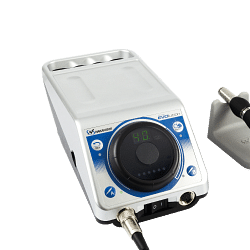
An introduction to micro-grinders: essential tools for the industry
Micro-grinders are among the most versatile and indispensable tools in the engineering workshop sector. These devices, renowned for their precision and power, are designed to carry out a wide range of finishing and machining operations on various materials. In this article, we will explore in detail what micro-grinders are, how they work, their advantages and main applications, as well as answering the most frequently asked questions about these tools.
What are micro grinders and how do they work?
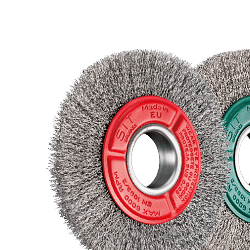
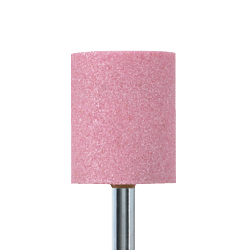
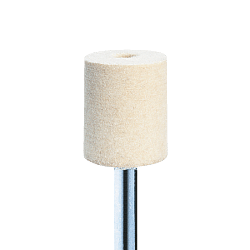
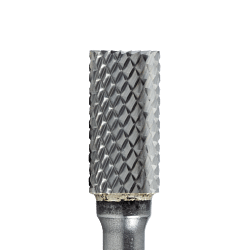
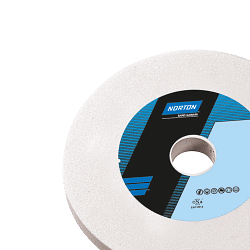
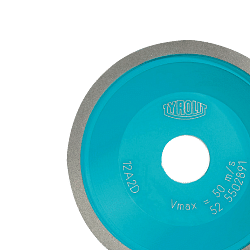
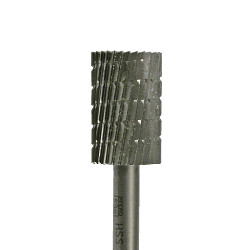
Micro grinders are electric or pneumatic tools used for grinding, polishing, sanding and finishing metallic and non-metallic surfaces. These devices feature a high-speed motor that drives a spindle onto which various accessories can be fitted, such as abrasive discs, brushes and diamond bits. Their ability to operate at high speeds allows for precision finishes on complex surfaces that are difficult to reach with other tools.
Applications of micro-grinders in mechanical workshops
Micro-grinders are used in a wide range of industrial applications. They are particularly valued in mechanical workshops for their ability to carry out precision work on metal components. Among the most common applications are deburring, surface polishing, the preparation of weld joints and the finishing of complex workpieces. Thanks to their versatility, micro-grinders are also used in the machining of composite materials, plastics and wood.
Advantages of using micro-grinders
The use of micro-grinders offers numerous advantages, including:
1. Precision: Thanks to their ability to operate at high speeds, micro-grinders enable high-precision finishes to be achieved, minimising errors and improving the quality of the final product.
2. Versatility: With a wide range of accessories available, micro-grinders can be used for a variety of operations, making them extremely versatile tools.
3. Efficiency: The ability to work quickly and precisely reduces processing times, increasing the overall efficiency of the production process.
4. Ergonomics: Many models of micro-grinders are designed to be lightweight and easy to handle, reducing operator fatigue and improving workplace safety.
How to choose the right micro-grinder for your needs
Choosing the right micro-grinder depends on several factors, including the type of work to be carried out, the material to be worked on and the specific requirements of the workshop. It is important to consider the motor power, rotational speed, power source (electric or pneumatic) and the availability of compatible accessories. Furthermore, it is advisable to assess the tool’s ergonomics and ease of use to ensure a comfortable and safe working experience.
Maintenance and care of micro-grinders
To ensure optimal performance and a long service life for micro-grinders, regular maintenance is essential. This includes cleaning the accessories and the spindle, lubricating moving parts and periodically checking the condition of the motor and power cables. Furthermore, it is important to follow the manufacturer’s instructions for the use and maintenance of the tool, in order to prevent damage and ensure the operator’s safety.
Frequently asked questions about micro-grinders
What are the main types of accessories used with micro grinders?
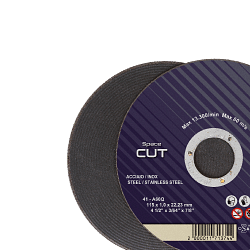
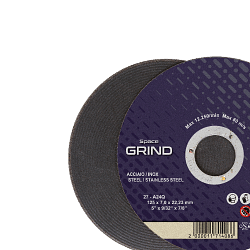
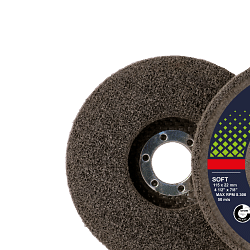
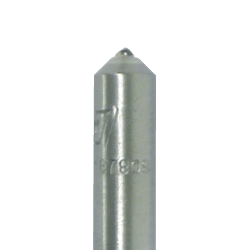
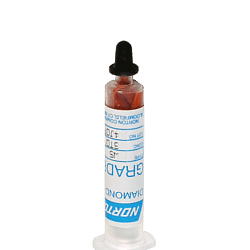
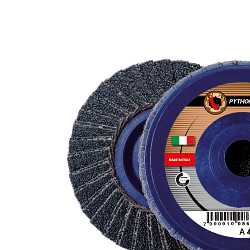
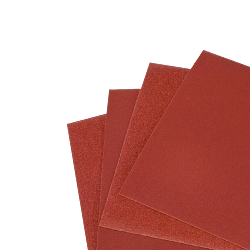
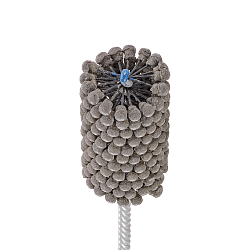
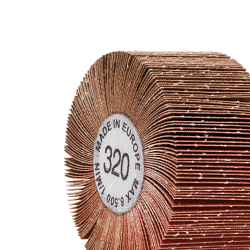
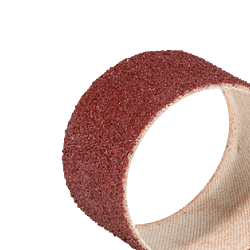
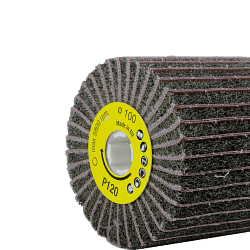
Micro-grinders can be fitted with a variety of accessories, including abrasive discs, wire brushes, diamond bits and polishing pads, each designed for specific machining applications.
What is the difference between an electric and a pneumatic micro-grinder?
Electric micro-grinders are powered by an electric motor, whilst pneumatic ones use compressed air. Pneumatic models are generally lighter and better suited to prolonged use, whilst electric ones offer greater power.
How can I improve safety when using micro-grinders?
To improve safety, it is important to wear personal protective equipment, such as safety goggles and gloves, and to follow the manufacturer’s instructions for the correct use of the tool.
What materials can be worked on with micro grinders?
Micro grinders are suitable for working on a wide range of materials, including metals, plastics, wood and composite materials, thanks to the availability of specific accessories for each material.
How can I extend the lifespan of my micro-grinder?
To extend the lifespan of your micro-grinder, it is essential to carry out regular maintenance, clean the accessories after each use and store the tool in a dry, clean environment.
What is the ideal speed for working with a micro-grinder?
The ideal speed depends on the type of work and the material being worked on. It is important to consult the manufacturer’s specifications and adjust the speed according to the specific requirements of the project.
Can I use a micro-grinder for precision work?
Yes, micro-grinders are designed for precision work thanks to their ability to operate at high speeds and the availability of specific accessories for detailed finishing.
What are the signs of wear and tear on a micro-grinder?
Signs of wear include a reduction in performance, unusual noises during operation and difficulty starting the motor. It is important to carry out regular checks to identify any problems.
How do I choose the right accessory for my micro-grinder?
Choosing the right accessory depends on the type of work to be carried out and the material being worked on. It is advisable to consult the manufacturer’s specifications and select accessories that are compatible with your micro-grinder model.
Are micro grinders suitable for domestic use?
Although micro-grinders are primarily designed for industrial applications, they can also be used for domestic projects requiring precision and high-quality finishes. However, it is important to follow the safety instructions and use the tool correctly.Read More Read Less