< Abrasives Abrasive rings
An introduction to abrasive rings: an essential component for engineering workshops
Abrasive rings are a fundamental component in modern machine shops. Although often overlooked, these tools play a crucial role in ensuring the quality and efficiency of metalworking processes. In this article, we will explore in detail what abrasive rings are, how they are used, the benefits they offer, and answer the most frequently asked questions on this topic.
What are abrasive rings?
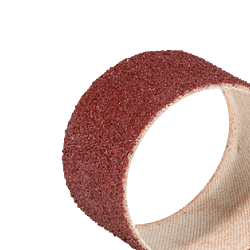
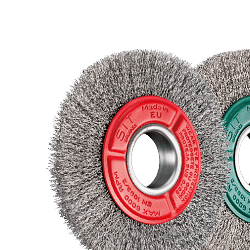
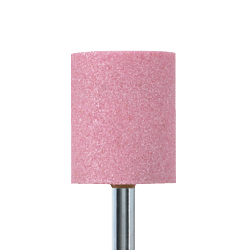
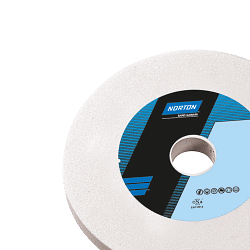
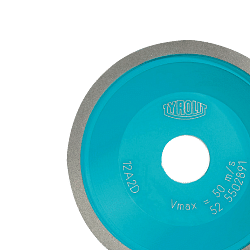
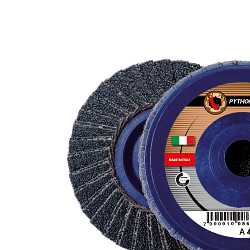
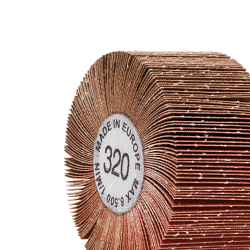
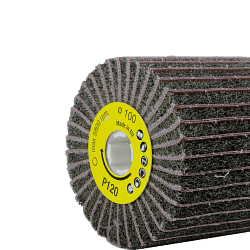
Abrasive rings are machining tools consisting of a circular backing coated with abrasive materials. These materials can range from aluminium oxide grains to silicon carbide, depending on the specific requirements of the application. Abrasive rings are designed to be mounted on rotating machine tools, where they are used to remove material from metal surfaces, as well as to smooth, polish and finish workpieces.
Applications of abrasive rings in machine shops
In engineering workshops, abrasive rings are used in a wide range of applications. They are used for finishing metal surfaces, deburring, preparing surfaces for painting and polishing components. Thanks to their versatility, they can be used on various materials, including steel, aluminium, brass and other non-ferrous metals.
Advantages of using abrasive rings
The use of abrasive rings offers numerous advantages. Firstly, they enable a high-quality surface finish to be achieved, minimising imperfections. Furthermore, thanks to their ability to remove material quickly, they improve the efficiency of production processes. Abrasive rings are also known for their durability and wear resistance, which translates into a longer service life and lower operating costs.
How to choose the right abrasive rings
Choosing the right abrasive rings depends on several factors, including the type of material to be machined, the desired finish and the specifications of the machine tool. It is important to consider the abrasive grit size, the type of binder and the size of the ring. A careful selection ensures optimal results and greater operational efficiency.
Techniques for using abrasive rings
To achieve the best results, it is essential to use abrasive rings correctly. This includes fitting them correctly to the equipment, adjusting the rotational speed and applying the correct pressure during the machining process. Furthermore, it is essential to keep the rings clean and free of debris to ensure optimal performance.
Maintenance and safety when using abrasive rings
Regular maintenance of abrasive rings is crucial to extending their service life and ensuring operator safety. It is important to inspect the rings regularly for any signs of wear or damage. Furthermore, operators must wear appropriate personal protective equipment, such as safety goggles and gloves, to prevent injuries during use.
Innovations in the range of abrasive rings
In recent years, the abrasive ring sector has seen significant innovations. New materials and manufacturing technologies have led to the development of more efficient and durable rings. These innovations have improved the performance of abrasive rings, making them more suitable for a wider range of industrial applications.
FAQs on abrasive rings
What are the most common materials used in abrasive rings?
Abrasive rings are commonly made from aluminium oxide, silicon carbide and zirconia.
How can I determine the right grit size for my project?
The choice of grit size depends on the desired finish and the material being worked on. Finer grits are ideal for smooth finishes, whilst coarser grits are suitable for material removal.
Can abrasive rings be used on non-metallic materials?
Yes, abrasive rings can be used on non-metallic materials such as plastic and wood, provided the appropriate abrasive materials are selected.
What is the average lifespan of an abrasive ring?
The lifespan of an abrasive ring depends on the intensity of use and the type of material being worked on, but it can generally last for several hours of continuous use.
How can I improve the service life of abrasive rings?
To improve their lifespan, it is important to use the rings at the correct speed and pressure and to keep them free of debris.
What are the signs that an abrasive ring needs replacing?
Signs of excessive wear, reduced cutting efficiency and visible damage are indicators that a ring needs replacing.
Are abrasive rings compatible with all machine tools?
Not all abrasive rings are compatible with all machines. It is important to check the specifications of both the machine and the ring before use.
What safety precautions should be followed when using abrasive rings?
Always wear personal protective equipment, such as safety goggles and gloves, and ensure that the equipment is fitted correctly.
Can I use abrasive rings for polishing?
Yes, abrasive rings can be used for polishing, but it is important to choose the right grit and material to achieve a glossy finish.
What are the differences between abrasive rings and abrasive discs?
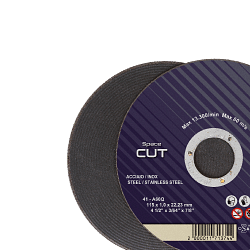
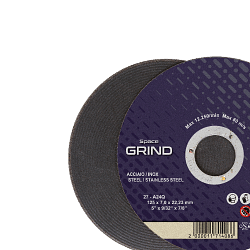
Abrasive rings are designed to be mounted on spindles and used for continuous machining, whilst abrasive discs are generally used for cutting and grinding operations.Read More Read Less