< Abrasives Deburring wheels
An introduction to deburring wheels: an essential component in mechanical workshops
Deburring wheels are a fundamental component in the mechanical engineering sector. These tools are designed to remove surface imperfections from machined parts, ensuring a smooth and precise finish. They play a crucial role in ensuring that the final products meet the quality standards required by the industry. In this article, we will explore in detail what deburring wheels are, how they are used, the benefits they offer, and answer the most frequently asked questions on this topic.
What are deburring wheels and what are they used for?
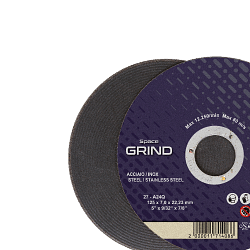
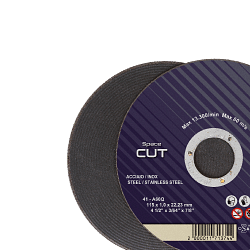
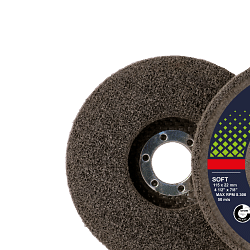
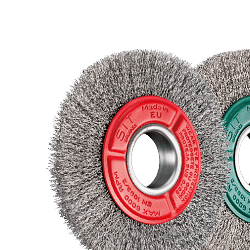
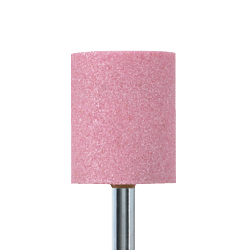
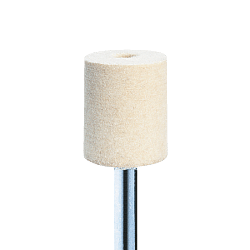
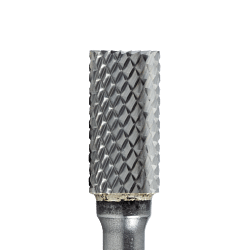
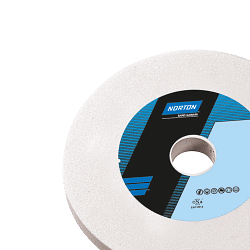
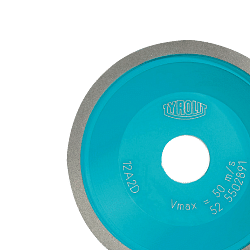
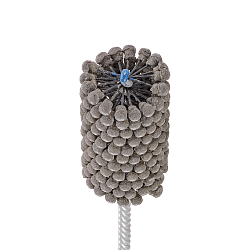
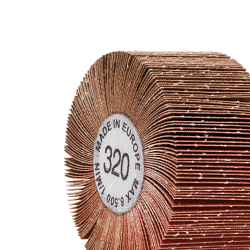
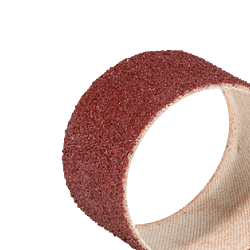
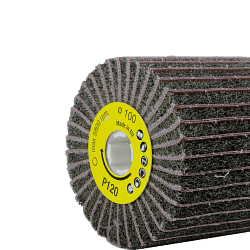
Deburring wheels are abrasive tools used to remove burrs and imperfections from the edges of metal and non-metal workpieces. These burrs are often the result of machining processes such as cutting, milling or turning. Deburring wheels are designed to ensure a uniform finish and improve the aesthetics and functionality of the machined workpiece. They are available in various shapes and sizes, depending on specific machining requirements.
How are deburring wheels used?
Using deburring wheels requires technical skill and attention to detail. Before starting, it is essential to select the appropriate wheel based on the workpiece material and the type of deburring required. Once the wheel has been chosen, the workpiece is securely clamped to prevent unwanted movement during the process. The grinding wheel is then applied with constant, even pressure along the edges of the workpiece, gradually removing the burrs. It is important to monitor the process constantly to avoid removing too much material and compromising the integrity of the workpiece.
Advantages of using deburring wheels
The use of deburring wheels offers numerous advantages in machine shops. Firstly, they improve the quality of the final product, ensuring smooth, flawless surfaces. This not only improves the workpiece’s appearance but also enhances its functionality, reducing the risk of premature wear or malfunctions. Furthermore, deburring wheels help to reduce machining times, thereby increasing production efficiency. Finally, the use of these tools can reduce overall production costs by minimising the need for reworking or replacing defective parts.
Materials and technologies used in deburring wheels
Deburring wheels are manufactured using high-quality abrasive materials, such as aluminium oxide, silicon carbide and diamond. The choice of material depends on the type of machining operation and the material of the workpiece being processed. Modern technologies have enabled the development of grinding wheels with advanced binders that improve the service life and efficiency of the deburring process. Furthermore, innovation in grinding wheel design has led to bespoke solutions for specific applications, ensuring optimal results in every situation.
Maintenance and safety when using deburring wheels
Maintenance of deburring wheels is essential to ensure optimal performance and safety during use. It is important to inspect the wheels regularly for any signs of wear or damage. Damaged grinding wheels must be replaced immediately to prevent accidents. Furthermore, it is vital to follow safety guidelines, wearing personal protective equipment such as safety goggles and gloves. Proper training of operators is crucial to ensure the safe and effective use of deburring wheels.
FAQs on deburring wheels
What are the main types of deburring wheels available?
There are several types of deburring wheels, including disc wheels, cup wheels and cone wheels, each designed for specific applications.
How do I choose the right deburring wheel for my project?
The choice depends on the workpiece material, the type of deburring required and the project specifications. It is advisable to consult an expert for the best selection.
What are the risks associated with using deburring wheels?
The risks include injuries from flying debris, inhalation of abrasive dust and damage caused by contact with defective grinding wheels. It is essential to follow safety procedures.
How long do deburring wheels last?
Their lifespan depends on usage, the material of the wheel and operating conditions. Proper maintenance can extend their service life.
Can I use deburring wheels on non-metallic materials?
Yes, there are specific grinding wheels for non-metallic materials such as plastics and ceramics, designed to ensure a high-quality finish.
What is the difference between manual and automated deburring?
Manual deburring offers greater control over complex workpieces, whilst automated deburring is more efficient for large-scale production.
How can I improve the efficiency of the deburring process?
Using high-quality grinding wheels, maintaining equipment in good condition and providing adequate training for operators are key strategies for improving efficiency.
Can deburring wheels be used on painted surfaces?
It is possible, but it is important to choose a suitable grinding wheel to avoid damaging the paintwork during the deburring process.
What are the latest innovations in the range of deburring wheels?
Innovations include the use of advanced abrasive materials and customised designs for specific applications, improving efficiency and service life.
How can I reduce the costs associated with using deburring wheels?
Investing in high-quality grinding wheels, carrying out regular maintenance and optimising machining processes are effective ways to reduce overall costs.Read More Read Less