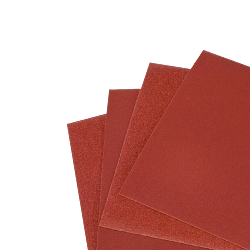
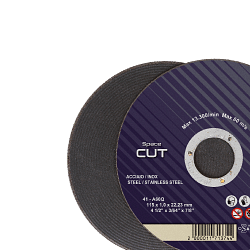
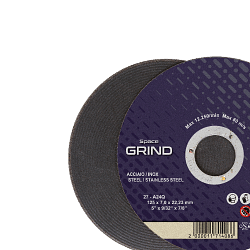
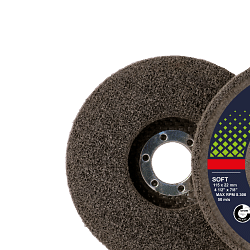
An introduction to abrasive cloths in rolls, sheets and strips
Abrasive cloths in rolls, sheets and belts are a fundamental component of the mechanical engineering sector. These tools are designed to provide high-quality surface finishing solutions, which are essential for a wide range of industrial applications. Their versatility and effectiveness in removing excess material, smoothing surfaces and preparing materials for further processing make them indispensable in many engineering workshops.
Features and types of abrasive cloths
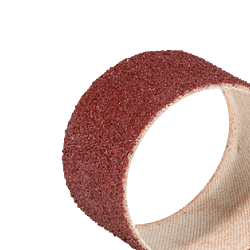
Abrasive sheets are available in various forms, including rolls, sheets and belts, each designed for specific applications. Rolls are ideal for custom cuts, allowing operators to adapt the length of the material to the specific requirements of the job. Sheets, on the other hand, are ready to use and offer a quick solution for manual sanding operations. Abrasive belts, fitted to belt sanders, are perfect for continuous work on large surfaces.
Materials and grit sizes of abrasive cloths
Abrasive cloths consist of a flexible backing, usually made of cotton or polyester, onto which abrasive grains are applied. These grains can be made of various materials, such as aluminium oxide, silicon carbide or zirconium, each with specific properties that affect the hardness and durability of the abrasive. The choice of grit size is crucial: coarser grits are suitable for rapid material removal, whilst finer grits are ideal for surface finishing.
Applications of abrasive cloths in the workshop
In engineering workshops, abrasive cloths are used in a wide range of applications. They are used to prepare surfaces prior to painting, to remove rust and oxidation, and to smooth welds. Furthermore, they are essential in the machining of metals, wood and composite materials, ensuring a uniform, high-quality finish.
Advantages of using abrasive cloths
The use of abrasive cloths offers numerous advantages. Firstly, their ability to adapt to uneven surfaces allows for uniform machining even on complex workpieces. Furthermore, the variety of grit sizes available enables customised finishes, improving the efficiency of the production process. The durability and wear resistance of abrasive belts reduce machine downtime and replacement costs, thereby increasing overall productivity.
Techniques for using abrasive cloths
To achieve the best results, it is essential to use abrasive belts correctly. During manual sanding, it is important to apply even pressure and follow the grain of the material. When using belt sanders, it is essential to adjust the speed and tension of the belt to prevent overheating and premature wear. Regular maintenance of equipment and the timely replacement of worn abrasive sheets are crucial practices for maintaining high standards of workmanship.
Frequently asked questions about abrasive sheets
What are the main materials used in abrasive grains?
Abrasive grains are commonly made from aluminium oxide, silicon carbide and zirconium, each with specific properties suited to different applications.
How do you choose the right grit size for a specific application?
The choice of grit size depends on the type of work: coarser grits for rapid material removal, finer grits for surface finishing.
What are the advantages of abrasive belts over sheets?
Abrasive belts allow for continuous machining over large areas, reducing processing times compared to sheets.
How do you keep abrasive belts in good condition?
It is important to store them in a dry, clean environment, avoid exposure to moisture and replace them when worn.
What are the most common uses for abrasive belts in the workshop?
They are used for surface preparation, rust removal, smoothing welds and working with metals and wood.
Can abrasive belts be used on composite materials?
Yes, they are suitable for working with composite materials, ensuring a uniform, high-quality finish.
What is the difference between cotton and polyester abrasive cloths?
Cotton sheets are more flexible, whilst polyester sheets offer greater strength and durability.
How can overheating be prevented when using abrasive cloths?
By adjusting the speed and pressure during processing and using appropriate lubricants.
What are the signs that an abrasive cloth needs replacing?
Visible wear and tear, reduced abrasive effectiveness, and the presence of tears or damage.
Are abrasive belts recyclable?
It depends on the backing material and the grit, but many abrasive sheets can be recycled or disposed of in an environmentally friendly manner.Read More Read Less