< Abrasives Abrasive brushes
An introduction to abrasive brushes: an essential component for engineering workshops
Abrasive brushes are a fundamental component in modern engineering workshops. Although often underestimated, these tools play a crucial role in ensuring the quality and efficiency of metalworking processes. In this article, we will explore in detail what abrasive brushes are, what they are used for, how to use them and what benefits they offer. We will also answer ten frequently asked questions to clear up any doubts about this indispensable tool.
What are abrasive brushes?
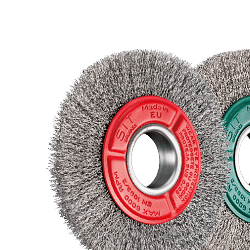
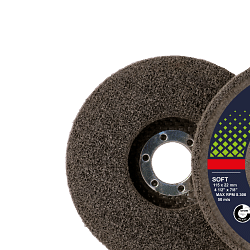
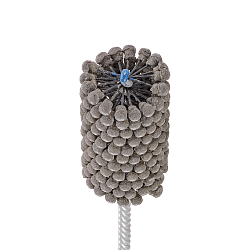
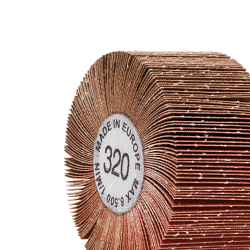
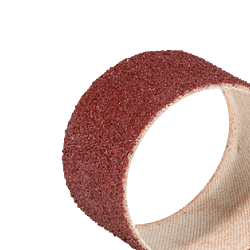
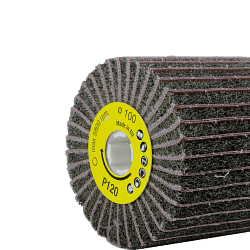
Abrasive brushes are tools designed for surface finishing, cleaning and material preparation. Consisting of abrasive bristles mounted on a backing, these brushes are available in various shapes and sizes to suit a wide range of applications. The bristles can be made from materials such as silicon carbide, aluminium oxide or diamond, depending on the specific requirements of the machining process.
Applications of abrasive brushes in machine shops
Abrasive brushes are used in numerous applications within mechanical workshops. They are used for deburring, cleaning surfaces, preparing surfaces for painting and polishing metals. Thanks to their versatility, they can be used on a variety of materials, including steel, aluminium, copper and special alloys. Choosing the right brush depends on the type of material being worked on and the desired result.
How to use abrasive brushes correctly
Using abrasive brushes correctly is essential for achieving optimal results and extending the tool’s service life. Before starting, it is important to select the brush suitable for the material and the specific application. During use, it is essential to maintain constant and even pressure to avoid damaging the surface of the material. Furthermore, it is advisable to wear personal protective equipment to ensure the operator’s safety.
Advantages of abrasive brushes in mechanical machining
The use of abrasive brushes offers numerous advantages in mechanical machining. Firstly, they enable a high-quality surface finish to be achieved, improving the aesthetics and functionality of the final product. Furthermore, they reduce the time required for surface preparation, thereby increasing the overall efficiency of the production process. Abrasive brushes are also safer than other finishing methods, as they reduce the risk of damaging the material.
Frequently asked questions about abrasive brushes
What are the most common materials used in the bristles of abrasive brushes?
The bristles of abrasive brushes are commonly made from silicon carbide, aluminium oxide and diamond, depending on the specific requirements of the application.
How do I choose the right abrasive brush for my application?
The choice of abrasive brush depends on the type of material to be processed, the desired finish and the specifications of the machining process.
Can abrasive brushes be used on non-metallic materials?
Yes, abrasive brushes can be used on non-metallic materials such as plastic and wood, provided they are correctly selected for the application.
What is the difference between an abrasive brush and a wire brush?
Abrasive brushes use abrasive bristles to remove material and finish surfaces, whilst wire brushes use metal wires for cleaning and rust removal.
How can I extend the service life of my abrasive brushes?
To extend the service life of abrasive brushes, it is important to use them correctly, maintain even pressure and clean them regularly after use.
Are abrasive brushes suitable for polishing surfaces?
Yes, abrasive brushes can be used for polishing surfaces, but it is important to choose the appropriate grit size and bristle material to achieve the desired result.
What safety precautions should be taken when using abrasive brushes?
It is essential to wear personal protective equipment, such as safety goggles and gloves, and to follow the manufacturer’s instructions to ensure the safe use of abrasive brushes.
Can abrasive brushes be used on painted surfaces?
Abrasive brushes can be used on painted surfaces to remove paint, but it is important to choose the right brush to avoid damaging the underlying material.
What is the ideal rotation speed for using abrasive brushes?
The ideal rotation speed depends on the type of brush and the specific application. It is important to consult the manufacturer’s specifications to determine the correct speed.
Can abrasive brushes be used in damp environments?
Abrasive brushes can be used in damp environments, but it is important to ensure that they are designed to withstand damp conditions and that they are dried properly after use to prevent corrosion.Read More Read Less