< Hand tools Markers
Professional workshop markers: an in-depth analysis
In the world of machine shops, organisation and precision are key elements in ensuring an efficient and safe workflow. Among the tools that help maintain order and facilitate daily operations, professional workshop markers play a major role. These tools, often underestimated, are essential for correctly identifying, classifying and managing components and equipment within a complex and dynamic work environment.
What are professional workshop markers?
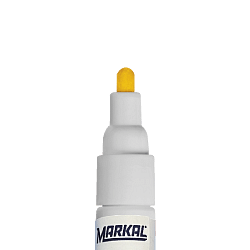
Professional workshop markers are tools designed for writing, labelling and marking different surfaces, such as metal, plastic, glass and wood. These markers are made with special inks that guarantee durable writing that is resistant to typical workshop environmental conditions such as humidity, oil and high temperatures. Their versatility makes them suitable for a wide range of applications, from marking mechanical parts to creating labels for shelves and containers.
The importance of marking in workshop organisation
In a machine shop, accurate marking of components is crucial to avoid costly errors and to improve operational efficiency. Professional markers allow parts to be quickly identified, reducing the time needed to find and select the correct components. In addition, clear and legible marking helps prevent assembly errors and ensure that each part is used in the correct manner.
Advantages of using professional markers
There are several advantages to using professional workshop markers. First, their resistance to chemicals and adverse environmental conditions ensures that markings remain legible over time, even in harsh environments. Furthermore, the variety of colours available allows for the implementation of a colour coding system, further facilitating the organisation and management of components. Finally, the use of high-quality markers reduces the need to mark parts frequently, saving time and resources.
How to choose the right marker for your workshop
The choice of the most suitable professional marker depends on several factors, including the type of surface to be marked, the environmental conditions of the workshop and the specific requirements of the job. It is important to consider the compatibility of the ink with the materials to be marked and the duration of the marking required. In addition, the size and shape of the marker tip can influence the accuracy and legibility of the writing.
Practical applications of professional markers
Professional markers find application in numerous contexts within a machine shop. They can be used to mark spare parts, tools and equipment, facilitating inventory and stock management. They are also ideal for creating temporary or permanent labels on containers and shelves, improving workspace organisation. In some cases, markers can also be used to draw guidelines on surfaces to be cut or welded, ensuring precision and accuracy in operations.
Frequently asked questions about professional workshop markers
1. What are the most common materials on which professional markers can be used?
Professional markers are designed for use on a wide range of materials, including metal, plastic, glass, wood, and ceramics. Choosing the right marker depends on the type of surface and the environmental conditions in which it will be used.
2. How do I remove ink from professional markers?
Ink removal depends on the type of marker used. Some markers are designed to be permanent, while others can be removed with specific solvents. It is important to follow the manufacturer's instructions to ensure safe and effective removal.
3. Are professional markers resistant to water and chemicals?
Yes, many professional markers are formulated to resist water, oils and other chemicals common in a machine shop. This resistance ensures that the markings remain legible and durable.
4. Can professional markers be used on hot surfaces?
Some markers are designed to withstand high temperatures and can be used on hot surfaces without compromising the quality of the marking. However, it is important to check the product specifications to ensure that it is suitable for the intended use.
5. What are the differences between the various types of marker tips?
Professional markers are available with different tip sizes and shapes, including thin, medium and wide tips. The choice of tip depends on the specific application and the level of precision required. Thin tips are ideal for detailed markings, while broad tips are more suitable for lettering visible from a distance.
Conclusions
Professional workshop markers are indispensable tools for efficient organisation and optimal handling of components and equipment. Their ability to withstand adverse environmental conditions and provide clear, durable markings makes them an ideal choice for any machine shop. Investing in high-quality markers not only improves operational efficiency, but also helps reduce errors and optimise the overall workflow. Choosing the right marker for your needs is a key step in ensuring the success and productivity of your workshop.
Read More Read Less