< Hand tools Hacksaws
Professional hacksaws: indispensable tools for machine shops
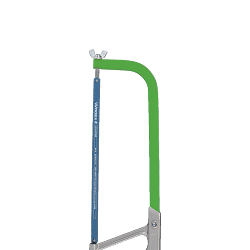
In the world of mechanical workshops, efficiency and precision are fundamental elements to guarantee the quality of the work performed. Among the tools that play a crucial role in this context, professional hacksaws stand out for their versatility and reliability. These tools, designed to cut a wide range of materials, are essential for anyone working in mechanical engineering, carpentry and metalworking.
The importance of professional hacksaws in workshops
Professional jigsaws are designed to meet the most demanding challenges in machine shops. Their ability to precisely cut materials such as metal, plastic and wood makes them indispensable tools for a wide range of applications. Whether it is making complex cuts or performing finishing work, professional jigsaws offer the flexibility to adapt to different operational requirements.
Technical characteristics of professional jigsaws
Professional jigsaws are characterised by a number of technical features that ensure their effectiveness and durability. Among these, the quality of the blades is a determining factor. The blades of professional jigsaws are made of high-quality materials, such as carbon steel or stainless steel, which ensure a long service life and superior resistance to wear. In addition, the possibility to adjust the blade tension allows for precise and clean cuts, minimising the risk of errors.
Advantages of using professional hacksaws
The use of professional hacksaws in machine shops offers numerous advantages. First of all, the precision of the cuts reduces material waste, thereby optimising production costs. In addition, the versatility of these tools allows them to tackle a wide range of jobs, from making mechanical components to finishing complex parts. Another significant advantage is safety: professional jigsaws are designed for safe use, reducing the risk of accidents at work.
How to choose the right professional hacksaw
Choosing the right professional hacksaw for your needs depends on several factors. First of all, it is important to consider the type of materials you intend to process. For cutting hard metals, for example, it is advisable to opt for a hacksaw with high-speed steel blades, while for softer materials, such as plastic, carbon steel blades may be sufficient. Another aspect to consider is the frequency of use: for intensive use, it is preferable to choose a robust and durable model, while for occasional work, a mid-range hacksaw may be sufficient.
Maintenance and care of professional jigsaws
To ensure maximum efficiency and durability of professional jigsaws, proper maintenance is essential. This includes regular cleaning of the blades to remove material residues and lubrication of the moving parts to prevent wear. In addition, it is important to periodically check the blade tension and replace the blade when necessary to prevent it from breaking during use.
Frequently asked questions about professional hacksaws
1. What is the difference between a manual and an electric hacksaw?
Manual hacksaws require the use of physical strength to make the cuts, while electric hacksaws are powered by a motor that makes the work easier, faster and less tiring.
2. How do I know when it is time to replace the hacksaw blade?
It is advisable to replace the blade when you notice signs of wear, such as dull teeth or difficulty cutting. A sharp blade ensures more precise cuts and reduces the risk of accidents.
3. Can I use the same hacksaw to cut different materials?
Yes, but it is important to use the appropriate blade for each material. Different blades are designed to cut specific materials, so it is crucial to choose the right one for best results.
Conclusion
Professional hacksaws are a key investment for machine shops that strive for excellence and precision. Thanks to their versatility and reliability, these tools allow them to successfully tackle a wide range of applications while ensuring safety and efficiency. Choosing the right hacksaw and keeping it in optimal condition is essential to maximise the benefits of its use, thus contributing to the success and competitiveness of the workshop.
Read More Read Less