Pneumatic hoses, couplings and fittings: essential elements for machine shop efficiency
In the world of machine shops, efficiency and precision are essential to guarantee quality work and customer satisfaction. Among the components that play a crucial role in this context, pneumatic hoses, couplings and connections stand out for their importance. These elements, often underestimated, are in fact the beating heart of many pneumatic systems, ensuring the proper functioning of equipment and the safety of operators.
The importance of pneumatic hoses in industrial applications
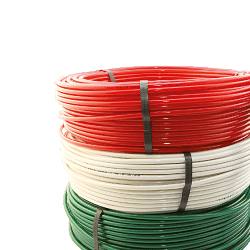
Pneumatic hoses are used to transport compressed air or other gases within a system. Their main function is to connect the various components of a pneumatic system, such as valves, cylinders and actuators, allowing the continuous flow of compressed air. Choosing the right hose is crucial to ensure the durability and efficiency of the system. Common materials for pneumatic hoses include polyurethane, polyethylene and nylon, each with its own characteristics of strength, flexibility and chemical compatibility.
Pneumatic couplings: safe and reliable connections
Pneumatic couplings are devices for connecting hoses to various system components. There are different types of couplings, including quick-release couplings, compression couplings and plug-in couplings. Quick-release couplings, for example, are designed to allow quick and easy connection and disconnection, reducing downtime and increasing operational efficiency. Choosing the right coupling depends on various factors, including operating pressure, the type of fluid being transported and environmental conditions.
Pneumatic couplings: versatility and adaptability
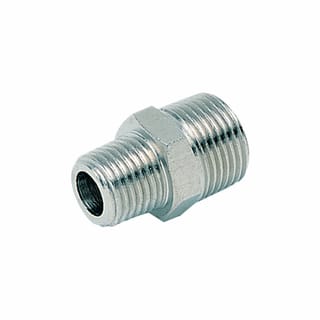
Pneumatic couplings are used to join two or more hoses within a system. They can be straight, elbow, tee or cross, depending on the specific needs of the application. Fittings must be chosen according to the pipe diameter, operating pressure and fluid type. The quality of fittings is essential to prevent leakage and ensure system safety. Common materials for fittings include brass, stainless steel and plastic, each with specific advantages in terms of corrosion resistance and durability.
Benefits of using quality pneumatic hoses, couplings and fittings
The use of high-quality pneumatic components offers numerous advantages. Firstly, it ensures reliable and continuous system operation, minimising downtime and maintenance costs. Furthermore, superior components are designed to withstand high pressures and harsh environmental conditions, prolonging system life. Finally, the use of quality hoses, couplings and fittings contributes to improved safety at work, reducing the risk of leaks and failures.
Frequently asked questions about pneumatic hoses, couplings and fittings
1. What is the difference between a quick coupling and a compression coupling?
Quick couplings allow quick connection and disconnection without the use of tools, while compression couplings require the use of nuts and compression rings to ensure a secure connection.
2. How to choose the right material for pneumatic hoses?
The choice of material depends on the specific requirements of the application, such as operating pressure, temperature and chemical compatibility. Polyurethane is known for its flexibility, while nylon offers greater resistance to pressure.
3. What are the signs of a defective pneumatic coupling?
Air leaks, difficulty in maintaining pressure and unusual noises are common signs of a defective fitting. It is important to inspect fittings regularly to prevent failure.
4. Can pneumatic couplings be reused?
Some couplings, such as quick-release couplings, can be reused, while others, such as compression couplings, may require replacement of components such as compression rings to ensure a secure connection.
5. What are the best practices for maintenance of pneumatic systems?
Regular maintenance includes visual inspection of components, checking connections for leaks and timely replacement of worn or damaged components. Keeping the system clean and free of debris is essential for its proper functioning.
In conclusion, hoses, couplings and pneumatic connections are critical components for the efficient and safe operation of machine shops. Choosing high-quality components, together with regular maintenance, ensures the longevity and reliability of pneumatic systems, contributing to the overall success of industrial operations.
Read More Read Less