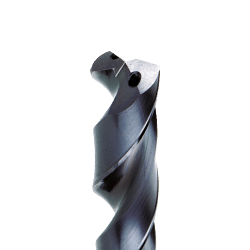
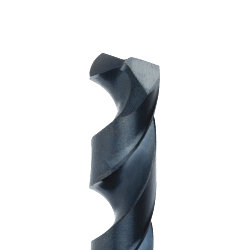
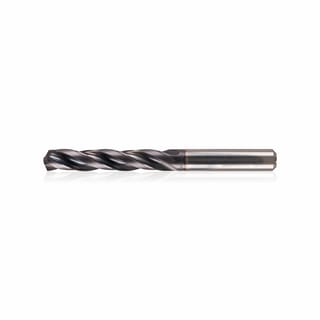
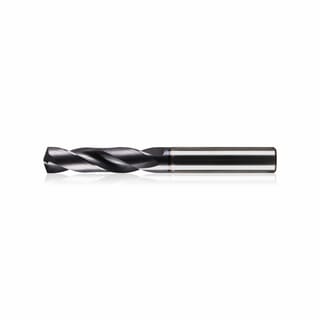
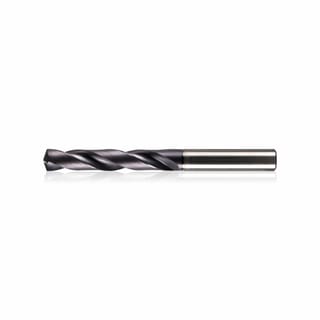
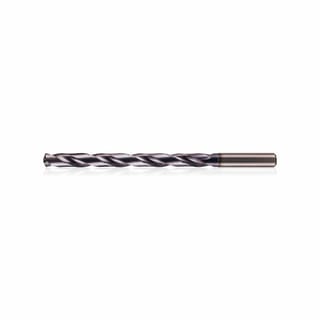
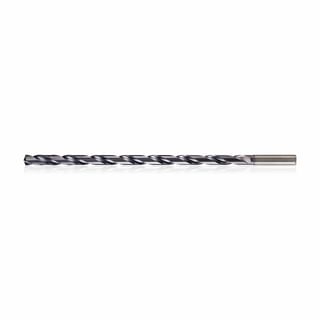
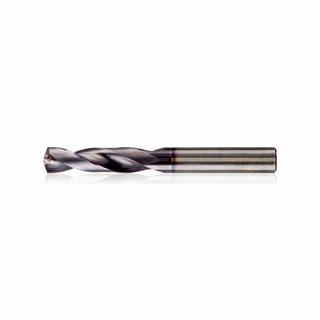
Introduction to solid carbide drills
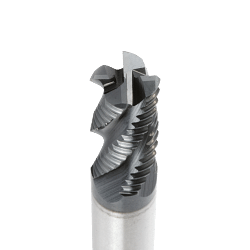
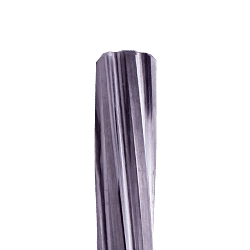
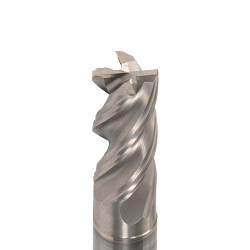
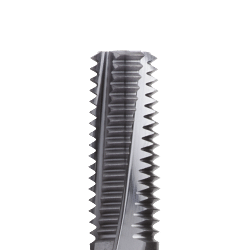
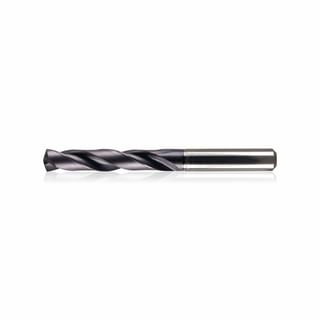
Solid carbide drills are a key element in precision machining. Known for their strength and durability, these tools are designed to tackle the toughest challenges in drilling and milling processes. Their unique composition, combining the hardness of carbide with the precision of solid machining, makes them ideal for applications where cutting quality and tool longevity are essential.
Features of solid carbide drills
Solid carbide drills are characterised by a number of technical features that make them superior to other tool types. Their structure is composed of cemented carbides, a material known for its exceptional hardness and wear resistance. This gives the drills a superior cutting capacity, minimising wear and prolonging tool life. In addition, solid machining ensures high dimensional accuracy, which is essential for applications requiring tight tolerances.
Applications of solid carbide drills
Solid carbide drills are used in a wide range of industries. They are particularly popular in machine shops for machining difficult materials such as hardened steels, titanium alloys and composite materials. Their ability to maintain a clean, precise cut even under extreme working conditions makes them indispensable for the production of high-precision components, such as those used in the aerospace and automotive industries.
Advantages of solid carbide drills
The use of solid carbide drills offers numerous advantages. First of all, their wear resistance reduces the frequency of tool changes, lowering operating costs. In addition, the precision of the cut improves the quality of the final product, reducing the need for subsequent machining. The ability to operate at high cutting speeds increases productivity, while reduced vibration during machining improves operator safety and comfort.
How to choose the right solid carbide drills
The choice of the most suitable solid carbide drill bits depends on several factors, including the type of material to be machined, project specifications and operating conditions. It is important to consider the diameter and length of the drill bit, as well as the type of coating, which can influence wear resistance and heat dissipation capacity. In addition, the geometry of the drill must be selected according to the type of machining, which can vary from drilling to milling.
Maintenance and care of solid carbide drills
To ensure long life and optimum performance of solid carbide drills, proper maintenance practices are essential. After each use, the drill bits should be thoroughly cleaned to remove material residue and lubricants. It is advisable to regularly inspect the tips for signs of wear or damage, which could compromise the quality of the cut. Furthermore, proper storage of the tips in a dry and dust-free environment helps preserve their integrity.
Innovations in solid carbide tip design
In recent years, the design of solid carbide tips has undergone significant innovations. The introduction of new materials and manufacturing technologies has further improved the performance of these tools. For example, the use of advanced coatings, such as titanium nitride or polycrystalline diamond, has increased wear resistance and the ability to operate at high temperatures. In addition, the design of optimised geometries has improved cutting efficiency and reduced machining forces.
Challenges and solutions in the use of solid carbide drills
Despite their many advantages, the use of solid carbide drills can present some challenges. For example, their high hardness makes them more brittle than other tool types, increasing the risk of breakage in the event of excessive impact or vibration. To mitigate this risk, it is important to use high-quality machine tools and adopt appropriate machining parameters. In addition, the use of lubricants and coolants can help reduce friction and heat generated during machining, extending the life of the drill bits.
Future of solid carbide drills
The future of solid carbide drills looks promising, with continuous innovations promising to further improve their performance. Research and development in the range of advanced materials and manufacturing technologies is leading to the creation of ever stronger and more precise tips. Furthermore, the integration of digital technologies, such as data analysis and artificial intelligence, is opening up new possibilities for optimising machining processes and customising tools.
Faq on solid carbide drills
What are the main advantages of solid carbide drills?
Solid carbide drills offer greater wear resistance, superior cutting precision and longer tool life than other tools.
How do solid carbide drills differ from steel drills?
Solid carbide drills are harder and more wear-resistant than steel drills, making them ideal for difficult-to-machine materials.
What materials can be machined with solid carbide drills?
These tips are suitable for machining hardened steels, titanium alloys, composites and other hard materials.
How should solid carbide drills be maintained?
It is important to clean the tips after each use, inspect them regularly for signs of wear, and store them in a dry environment.
What are the recent innovations in solid carbide tip design?
Innovations include new advanced coatings and optimised geometries to improve cutting efficiency and wear resistance.
What are the challenges in using solid carbide tips?
The main challenges include the brittleness of the tips and the need for proper machining parameters to avoid breakage.
How to choose the right solid carbide tip for a specific application?
The choice depends on the material to be machined, project specifications and operating conditions, including diameter, length and coating type.
Which industries use solid carbide drills most?
These drills are widely used in the aerospace, automotive and machine shop sectors for precision machining.
How are digital technologies affecting the future of solid carbide drills?
Digital technologies are improving machining process optimisation and tool customisation through data analysis.
What are the future trends for solid carbide drills?
Future trends include the development of advanced materials and the integration of digital technologies to improve performance and tool customisation.Read More Read Less