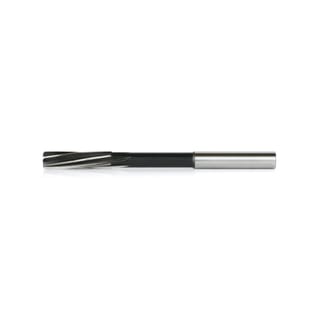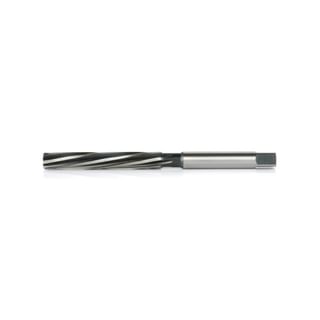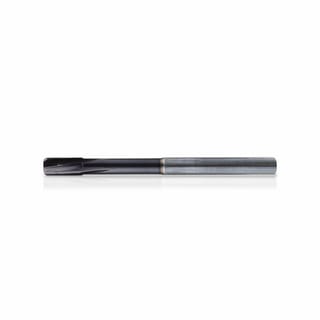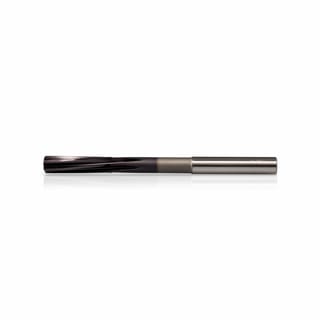





An introduction to metal reamers
Metal reamers are a fundamental tool in machine shops, essential for ensuring precision and quality in machining operations. These tools are designed to finish existing holes, improving surface finish and dimensional accuracy. In this article, we will explore in detail what metal reamers are, how they are used, the benefits they offer, and answer the most frequently asked questions on this topic.
What is a metal reamer?
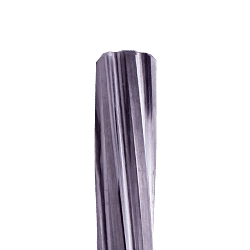
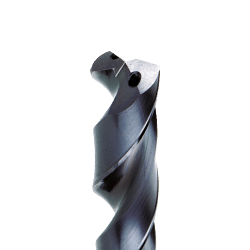
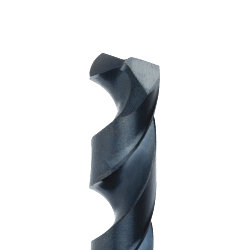
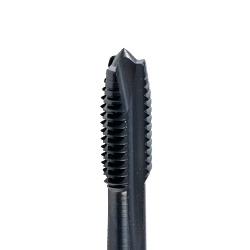
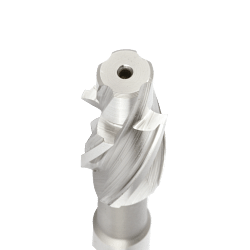
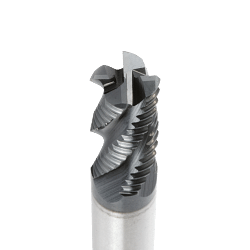
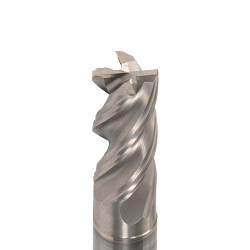
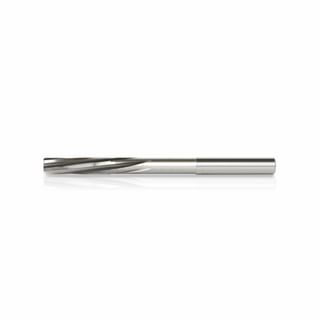
A metal reamer is a cutting tool used to enlarge or finish existing cylindrical holes. Unlike drill bits, which create holes, reamers are designed to improve the precision and finish of holes. They consist of a cylindrical body with a series of sharp blades arranged along its length. These blades remove a small amount of material from the inner surface of the hole, ensuring a smooth and precise finish.
Applications of metal reamers
Metal reamers are used across a wide range of industrial sectors, including the automotive, aerospace, and machinery manufacturing industries, amongst many others. They are used to finish holes in metal components, ensuring that dimensional tolerances are met and that the internal surface of the hole is free from imperfections. This is particularly important in applications where precision is critical, such as in engines or hydraulic components.
How to use metal reamers
Using metal reamers requires care and precision. Before starting, it is essential to select the correct reamer based on the material to be machined and the size of the hole. Reamers can be used manually or mounted on machine tools, such as lathes or drill presses. During the operation, it is important to apply adequate lubrication to reduce friction and prevent overheating. The reamer must be inserted into the hole with a slow, steady motion, taking care not to apply too much pressure so as not to damage the workpiece or the tool.
Advantages of using metal reamers
The use of metal reamers offers numerous advantages. Firstly, they improve the dimensional accuracy of holes, ensuring that tolerances are met. Furthermore, they produce a high-quality surface finish, reducing the need for further machining. Reamers are also versatile, capable of working on a variety of materials, including steel, aluminium and special alloys. Finally, the use of reamers can increase production efficiency, reducing machining times and improving the overall quality of the finished product.
FAQs on metal reamers
What types of metal reamers are available?
There are several types of metal reamers, including hand reamers, machine reamers, taper reamers and spiral reamers. The choice depends on the specific application and the type of material to be machined.
How do I choose the right reamer for my project?
Choosing the right reamer depends on various factors, including the workpiece material, the hole size and the required precision. It is important to consult the technical specifications and, if necessary, seek advice from an expert.
What lubricant is recommended during reaming?
The use of a suitable lubricant is essential to reduce friction and prevent overheating. Specific metal-cutting oils are generally recommended, but the choice may vary depending on the material being machined.
Can reamers be used on non-metallic materials?
Yes, reamers can be used on non-metallic materials such as plastic and wood, but it is important to choose the right reamer and adjust the cutting speed accordingly.
What are the signs of wear on a reamer?
Signs of wear on a reamer include a reduction in the quality of the surface finish, an increase in the force required for reaming, and the presence of burn marks on the workpiece.
How do you keep a reamer in good condition?
To keep a reamer in good condition, it is important to clean it regularly, inspect it for signs of wear and store it in a dry environment to prevent corrosion.
Can a reamer be resharpened?
Yes, reamers can be resharpened to extend their service life. However, this is an operation that requires specialised equipment and technical expertise.
What are the differences between a hand reamer and a machine reamer?
Hand reamers are designed for manual use and are ideal for small-scale precision work. Machine reamers, on the other hand, are designed to be mounted on machine tools and are suitable for large-scale industrial applications.
How do you calculate the cutting speed for a reamer?
The cutting speed for a reamer depends on the workpiece material, the reamer diameter and the type of reamer used. It is important to consult reference tables or the manufacturer’s specifications.
What safety precautions should be followed during reaming?
When boring, it is important to wear personal protective equipment, such as safety goggles and gloves. Furthermore, it is essential to ensure that the workpiece is securely clamped and that the reamer is correctly mounted and aligned.Read More Read Less