< Measuring and precision tools Surface plates
An introduction to reference plates: an essential component in mechanical workshops
Flat surfaces are a fundamental component in the mechanical workshop sector. These tools, which are often underestimated, play a crucial role in ensuring precision and reliability in measurement and inspection operations. In this article, we will explore in detail what reference plates are, what they are used for, how they are used and what benefits they offer to mechanical workshops.
What are reference plates?
Facing plates are flat, smooth surfaces, usually made of cast iron or granite, used as a reference for precision measurements. Their main function is to provide a stable and uniform base for the dimensional inspection of mechanical components. The choice of material is crucial: cast iron offers strength and wear resistance, whilst granite ensures thermal stability and corrosion resistance.
The importance of reference plates in mechanical workshops
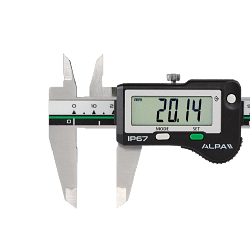
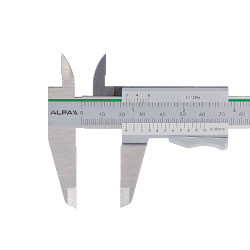
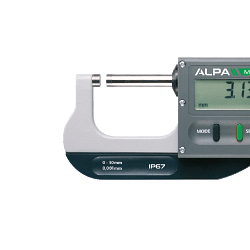
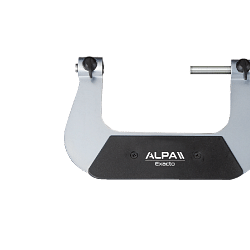
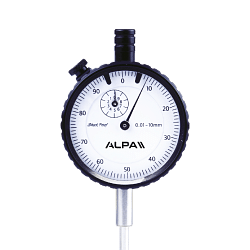
In mechanical workshops, precision is an essential requirement. Reference plates are essential for ensuring that measurements are accurate and repeatable. They are used as a base for measuring instruments such as calipers, micrometers and dial gauges, ensuring that readings are free from errors caused by uneven or unstable surfaces.
How are reference surfaces used?
Using reference surfaces requires attention and care. Before each measurement, it is essential to ensure that the surface of the plate is clean and free of debris. Measuring instruments must be positioned precisely on the surface of the plate, avoiding excessive pressure that could deform the component under examination. Furthermore, it is important to keep the reference plate in a controlled environment to avoid temperature variations that could affect the measurements.
Advantages of using reference planes
The use of reference planes in mechanical workshops offers numerous advantages. Firstly, they ensure a high degree of measurement accuracy, minimising errors and improving the quality of the final product. Furthermore, reference surfaces help to extend the service life of measuring instruments, as they provide a stable and uniform surface that reduces wear on the instruments themselves. Finally, the use of reference surfaces can improve operational efficiency, reducing inspection times and increasing the workshop’s overall productivity.
Maintenance and care of reference surfaces
To ensure that reference surfaces maintain their accuracy over time, it is essential to adopt proper maintenance practices. Regular cleaning of the surface is crucial to prevent the build-up of dust and debris that could compromise measurements. Furthermore, it is advisable to periodically calibrate the reference surface to ensure it retains its original flatness. Finally, it is important to protect the surface from knocks and scratches, which could damage the surface and reduce its effectiveness.
FAQs on reference surfaces
What materials are used for reference surfaces?
Reference surfaces are generally made of cast iron or granite, materials chosen for their stability and strength.
What is the difference between a cast iron reference surface and a granite one?
Cast iron offers strength and wear resistance, whilst granite provides thermal stability and corrosion resistance.
How do you clean a reference surface?
It is advisable to use a soft cloth and a non-abrasive cleaner to remove dust and debris from the surface of the surface.
How often should a reference surface be calibrated?
The frequency of calibration depends on usage, but it is generally recommended to carry out annual checks.
What measuring instruments can be used on a reference surface?
Calipers, micrometers and dial gauges are commonly used on reference surfaces to ensure accurate measurements.
How do you protect a reference surface from damage?
It is important to avoid knocks and scratches, and to use protective covers when the surface is not in use.
What are the standard dimensions of reference plates?
Sizes vary, but reference plates are available in a wide range of sizes to suit different requirements.
Why is it important to keep the reference surface in a controlled environment?
Temperature fluctuations can affect measurement accuracy, so it is important to maintain a stable environment.
What are the signs of wear on a reference surface?
Scratches, dents and loss of flatness are common signs of wear that can compromise accuracy.
Can a damaged reference surface be repaired?
In some cases, the surface can be ground to restore flatness, but this depends on the extent of the damage.Read More Read Less