< Measuring and precision tools Microscopes, lenses and visors
An introduction to microscopes, lenses and viewing devices for industry
In the world of mechanical workshops, precision and attention to detail are essential. Optical instruments such as microscopes, lenses and viewing devices play a crucial role in ensuring that every component is manufactured with the utmost accuracy. These instruments not only improve the quality of the final product, but also optimise production processes, reducing errors and increasing efficiency.
Understanding microscopes: a closer look
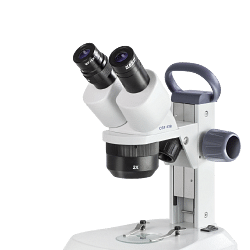
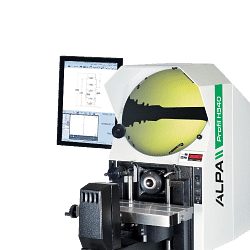
Microscopes are optical instruments that allow us to observe objects too small to be seen with the naked eye. In engineering workshops, microscopes are used to examine minute details of mechanical components, identify manufacturing defects and ensure that tolerances are met. There are several types of microscopes, including optical, electron and atomic force microscopes, each with specific applications.
Lenses: magnifying vision for superior precision
Lenses are optical components that focus or disperse light, improving the ability to observe fine details. In engineering workshops, lenses are used in various measuring and inspection tools to ensure that components are manufactured to specification. High-quality lenses can significantly improve measurement accuracy, reducing the margin of error.
Viewfinders: improving safety and efficiency
Visors are optical devices that improve vision in challenging environments, such as those with poor lighting or the presence of fumes. In engineering workshops, visors can be used to improve operator safety, allowing them to see clearly in adverse conditions. Furthermore, visors can be integrated with advanced technologies such as augmented reality to provide real-time information during production processes.
Benefits of using optical instruments in mechanical workshops
The use of microscopes, lenses and viewing devices in mechanical workshops offers numerous benefits. These tools improve the quality of the final product, reduce production times and minimise waste. Furthermore, they enhance operator safety and increase the overall efficiency of the production process. Investing in high-quality optical instruments can lead to a significant return in terms of productivity and quality.
How to choose the right optical instruments for your workshop
Choosing the right optical instruments depends on the specific needs of your workshop. It is important to consider factors such as the type of machining, the required tolerances and the available budget. Working with experienced suppliers can help you select the microscopes, lenses and viewfinders best suited to your needs, ensuring you get the most out of your investment.
Integration of advanced technologies with optical instruments
Integrating advanced technologies such as augmented reality and artificial intelligence with optical instruments can lead to significant improvements in production processes. These technologies can provide real-time data, improve measurement accuracy and optimise inspection processes. Adopting these innovative solutions can give your workshop a competitive edge in the market.
Maintenance and care of optical instruments
To ensure your optical instruments perform at their best, regular maintenance is essential. Cleaning lenses and optical components, calibrating microscopes and replacing worn parts are essential for maintaining the efficiency and accuracy of the instruments. Proper maintenance can extend the service life of the instruments and ensure consistent results over time.
Conclusions: the future of optical instruments in mechanical workshops
The future of optical instruments in mechanical workshops looks promising. With advancing technologies and the integration of innovative solutions, optical instruments will continue to play a crucial role in improving the quality and efficiency of production processes. Investing in these instruments today can prepare your workshop for tomorrow’s challenges, ensuring a competitive edge in the global market.
FAQs on microscopes, lenses and viewfinders
What are the main types of microscopes used in mechanical workshops?
The main types of microscopes used include optical, electron and atomic force microscopes, each with specific applications.
How do lenses improve precision in mechanical measurements?
Lenses focus light, improving the ability to observe fine details and reducing the margin of error in measurements.
What advantages do visors offer in mechanical workshops?
Viewfinders improve safety and efficiency, allowing operators to see clearly in low-light conditions or in the presence of fumes.
How do I choose the right microscope for my workshop?
Consider the type of work, the required tolerances and your budget. Working with experienced suppliers can help you make the right choice.
What advanced technologies can be integrated with optical instruments?
Technologies such as augmented reality and artificial intelligence can be integrated to improve precision and optimise inspection processes.
How do I keep my optical instruments in good condition?
Carry out regular maintenance, clean the lenses, calibrate the microscopes and replace worn parts to ensure efficiency and precision.
What are the economic benefits of investing in high-quality optical instruments?
Investing in high-quality optical instruments can reduce production times, minimise waste and improve the quality of the final product.
How can augmented reality improve the use of head-mounted displays?
Augmented reality can provide real-time information, improving accuracy and efficiency during production processes.
What are the challenges in integrating new technologies with optical instruments?
The challenges include technological compatibility, implementation costs and staff training to ensure the effective use of new technologies.
What future do you foresee for optical instruments in mechanical workshops?
The future looks promising, with the integration of advanced technologies set to continue improving the quality and efficiency of production processes.Read More Read Less