< Lifting systems Lifting accessories
Industrial lifting accessories are a crucial element in the landscape of machine shops and manufacturing industries. These tools, designed to facilitate the lifting and handling of heavy loads, are essential to ensure efficiency, safety and precision in daily operations. In this in-depth look, we will explore in detail what industrial lifting accessories are, how they are used, the advantages they offer and answer some of the most frequently asked questions on this topic.
Understanding industrial lifting accessories
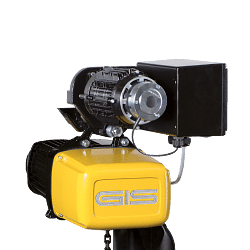
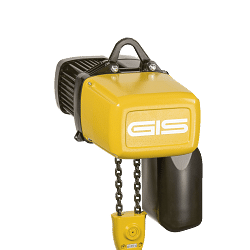
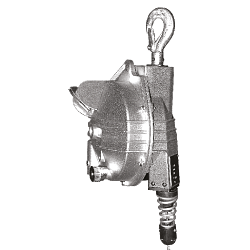
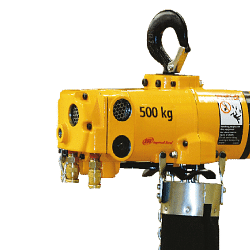
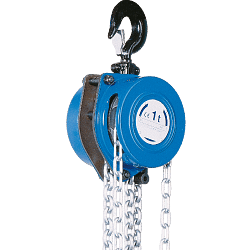
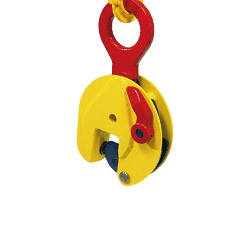
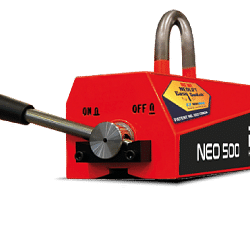
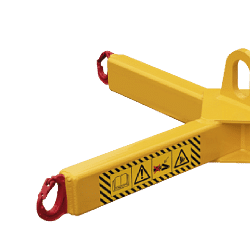
Industrial lifting accessories include a wide range of tools and devices designed to assist in lifting and handling heavy loads. These include hooks, chains, ropes, slingbars, grabs and magnets, each with specific applications and load capacities. These accessories are designed to integrate with cranes, hoists and other lifting systems, enhancing the versatility and efficiency of handling operations.
Applications and use of lifting accessories
In machine shops, lifting accessories are used for a variety of applications, including lifting heavy components, positioning machinery and handling raw materials. Choosing the right accessory depends on several factors, including load weight, shape, material and environmental conditions. For example, lifting chains are ideal for heavy, robust loads, while fibre ropes are preferred for lighter, more delicate loads.
Benefits of industrial lifting accessories
The use of industrial lifting accessories offers numerous advantages. First of all, they improve workplace safety by reducing the risk of accidents related to manual lifting of heavy loads. They also increase operational efficiency by allowing materials to be moved quickly and accurately, reducing downtime and increasing productivity. Well-designed and maintained lifting accessories can also help extend the life of lifting equipment by reducing maintenance and replacement costs.
Maintenance and safety of lifting accessories
Regular maintenance of lifting accessories is essential to ensure their safety and functionality. Operators should perform visual inspections before each use to detect signs of wear, damage or deformation. In addition, it is essential to follow the manufacturer's guidelines for regular maintenance and replacement of accessories when necessary. Training operators on the correct use of lifting accessories is equally important to prevent accidents and ensure safe and efficient operations.
Frequently asked questions about industrial lifting accessories
1. What are the most common materials used for lifting accessories?
Lifting accessories are made of a variety of materials, including steel, aluminium alloys and synthetic fibres. The choice of material depends on the specific application and load requirements.
2. How do I determine the load capacity of a lifting accessory?
The load capacity of a lifting accessory is generally specified by the manufacturer and must be adhered to in order to ensure safety. It is also important to consider the safety factor and operating conditions.
3. What are the safety regulations for the use of lifting accessories?
Safety regulations vary from country to country and from sector to sector, but generally include requirements for the inspection, maintenance and proper use of lifting accessories. It is essential that companies comply with these regulations to ensure a safe working environment.
4. Can I use lifting accessories from different manufacturers together?
Lifting accessories from different manufacturers can be used, but it is important to ensure that they are compatible and meet the same safety and load capacity specifications.
5. What are recent innovations in the field of industrial lifting accessories?
Recent innovations include the development of lighter and stronger materials, the integration of monitoring technologies for safety and efficiency, and the design of more ergonomic accessories to reduce operator fatigue.
In conclusion, industrial lifting accessories are indispensable tools in machine shops and manufacturing industries. Their correct selection, use and maintenance are essential to ensure safe and efficient operations. As technologies and regulations evolve, it is essential to stay up-to-date on best practices and innovations in the field of lifting accessories to maximise the benefits and minimise the risks associated with their use.
Read More Read Less