< Hand tools Pipe tools
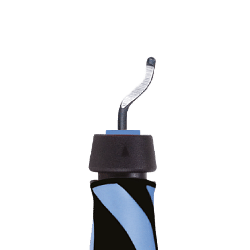
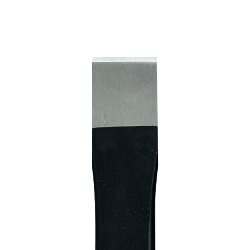
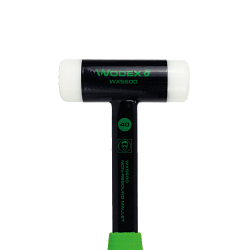
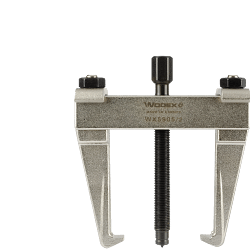
Professional pipe tools are an essential element in the landscape of machine shops and metalworking industries. These tools, designed for precision and reliability, are essential for operations requiring a high degree of accuracy and safety. In this in-depth look, we will explore the different types of tube tools, their use, the advantages they offer, and answer the most frequently asked questions in the industry.
The importance of professional pipe tools
In the context of machine shops, tube machining is an activity that requires specific tools to ensure optimal results. Professional pipe tools are designed to tackle a wide range of operations, including cutting, bending, threading and welding. These tools are made of high-quality materials to resist wear and tear and ensure a long service life.
Types of pipe tools
There are different types of pipe tools, each designed to meet specific needs. Among the most common are:
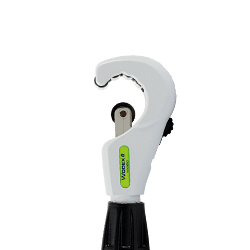
- Pipe cutters: used to cut pipes precisely and cleanly. They can be manual or electric, depending on operational needs.
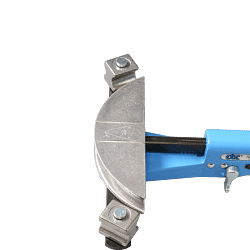
- Pipe benders: tools that allow pipes to be bent without compromising their structure. They are essential for creating precise bends and angles.
- Threading machines: used to create threads on tubes, allowing them to be coupled with other components.
- Pipe welders: tools used to join pipes permanently by welding.
Advantages of using professional pipe tools
The use of professional pipe tools offers numerous advantages, including:
- Accuracy: they ensure precise cuts and bends, minimising errors and material waste.
- Efficiency: they allow operations to be completed in less time, increasing workshop productivity.
- Safety: designed to reduce the risk of accidents, thanks to integrated safety mechanisms.
- Versatility: suitable for a wide range of materials, from metals to plastics.
How to use tube tools correctly
To get the best results, it is essential to use pipe tools correctly. Here are some practical tips:
- Select the right tool: choose the tool best suited to the type of pipe and the operation to be performed.
- Regular maintenance: keep tools in good condition through regular maintenance, including cleaning and lubrication.
- Staff training: ensure that staff are properly trained in the use of the tools to ensure safe and efficient operations.
Frequently asked questions about pipe tools
1. What are the most common materials for pipes machined with these tools?
The most common materials include steel, copper, aluminium and PVC. Each material requires specific tools to ensure optimal results.
2. Can the same tools be used for pipes of different diameters?
Some tools are adjustable and can be used for pipes of different diameters, while others are designed for specific dimensions.
3. What safety precautions should be taken?
It is important to wear personal protective equipment, such as gloves and goggles, and to follow the manufacturer's instructions for the safe use of tools.
4. How do I choose between a manual and an electric pipe cutter?
The choice depends on the work volume and precision required. Electric tube cutters are ideal for intensive work, while manual ones are suitable for simpler operations.
5. What is the average lifetime of a pipe cutter?
Service life depends on frequency of use and maintenance. With proper care, high-quality tools can last several years.
Conclusions
Professional pipe tools are indispensable tools for machine shops and metalworking industries. Their ability to guarantee precision, efficiency and safety makes them an essential investment for anyone working in this sector. Choosing the right tools and using them correctly can make the difference between a job well done and a mediocre one. With proper maintenance and continuous staff training, workshops can maximise the benefits of using these tools, improving the quality of work and customer satisfaction.
Read More Read Less