< Hand tools Clamps
Professional clamps and tighteners are essential tools in the world of machine shops and industrial machining. These devices, although often undervalued, play a crucial role in ensuring precision, safety and efficiency during assembly, welding and material processing operations. In this in-depth look, we will explore in detail what clamps and shackles are, what they are used for, how they are used and what advantages they offer. We will also answer some of the most frequently asked questions about these indispensable tools.
Understanding professional clamps and shackles
Clamps and clamps are mechanical devices designed to hold workpieces firmly in place during machining operations. They are used to prevent unwanted movements that could compromise the precision and quality of work. Clamps are generally used to hold two or more pieces of material together, while clamps are used to apply pressure to a single piece or assembly.
Types of clamps and grips
There are different types of clamps and grippers, each designed for specific applications and materials. Among the most common are:
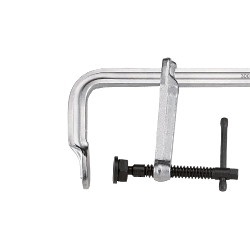
- Screw clamps: These clamps use a screw mechanism to apply pressure and are ideal for jobs requiring high, adjustable clamping force.
- Lever clamps: Featuring a lever mechanism, these clamps offer quick clamping and are perfect for jobs requiring frequent adjustments.
- Bar Clamps: Used to apply pressure on large surfaces, bar clamps are ideal for clamping large panels or assemblies.
- Spring clamps: These clamps use the tension of a spring to hold parts in place and are suitable for light and temporary work.
- Ratchet clamps: They offer progressive clamping and are particularly useful for applications requiring precise pressure control.
Practical applications of clamps and grippers
In machine shops, clamps and grippers are used in a wide range of operations. During the assembly of metal components, for example, screw clamps can be used to hold parts in place while they are being welded. Bar clamps, on the other hand, are often used in woodworking to ensure that panels remain aligned during gluing.
Advantages of using professional clamps and clamps
The use of professional clamps and clamps offers numerous advantages, including:
- Precision: By keeping parts firmly in place, these tools ensure that machining operations are carried out with maximum precision.
- Safety: By preventing unwanted movements, clamps and grippers reduce the risk of accidents and material damage.
- Efficiency: They help speed up assembly and machining operations, reducing downtime and increasing productivity.
- Versatility: Available in different types and sizes, they can be used for a wide range of applications and materials.
Frequently asked questions about clamps and grippers
1. What is the difference between a clamp and a gripper?
The main difference lies in their function: clamps are designed to hold two or more pieces of material together, while grippers apply pressure to a single piece or assembly.
2. How do I choose the right clamp or shackle?
The choice depends on the type of work to be performed, the material to be processed and the clamping force required. It is also important to consider the frequency of use and the need for quick adjustments.
3. What materials can be processed with clamps and grippers?
These tools are suitable for a wide range of materials, including metal, wood, plastic and composites.
4. How to keep clamps and shackles in good condition?
It is essential to clean the clamps and clamps regularly to remove dust and debris. It is also advisable to lubricate moving parts to ensure smooth operation and prolong the life of the tool.
5. Can clamps and shackles be used outdoors?
Yes, many clamps and clamps are designed to withstand outdoor environmental conditions. However, it is important to choose tools made of corrosion-resistant materials to ensure a long service life.
Conclusions
Professional clamps and shackles are indispensable tools in machine shops and industrial processes. Their ability to hold workpieces firmly in place, ensuring precision and safety, makes them essential for a wide range of applications. Choosing the right clamp or tightener for your job can make all the difference in terms of efficiency and quality of the end result. With proper maintenance, these tools can offer reliable and long-lasting performance, contributing to the success of machining operations.
Read More Read Less