< Turning tools Groove and cutting on turning
Professional turning and knurling tools are an essential part of the precision machining landscape. These tools, essential for machine shops, are designed to improve the efficiency and quality of turning and knurling operations, two key processes in the production of metal components.
Understanding Thread Rollers for Turning and Knurling
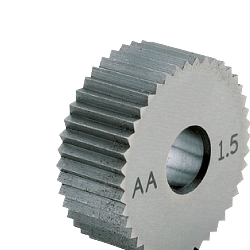
Rollers are devices used for the surface machining of metals. In turning, they provide smooth and precise surfaces, while in knurling, they create regular patterns on the surface of the material, improving the adhesion and aesthetics of the machined part. These tools are particularly appreciated for their ability to reduce machining time and improve the quality of the final product.
Operation and Applications of Thread Rollers
The operating principle of thread rollers is based on the pressure exerted on the surface of the material. During turning, the thread roller is applied to the rotating workpiece, compressing and smoothing the surface. This process not only improves the surface finish, but also increases the strength of the material through surface hardening. In knurling, the rollers create a raised pattern on the surface, which is useful for improving the grip and aesthetics of components such as knobs and screws.
Advantages of using thread rollers
There are several advantages to using thread rollers for turning and knurling. First of all, they allow a high quality surface finish to be obtained in a shorter time compared to traditional methods. In addition, the rolling process increases the surface hardness of the material, improving wear and fatigue resistance. This results in a longer life of the machined components, reducing the need for maintenance and replacement.
Selecting the Right Thread Roller
The choice of the right thread roller depends on several factors, including the type of material to be processed, the specifications of the project and the desired characteristics of the end product. It is essential to consider the diameter of the thread roller, the type of profile and the applicable pressure. Careful selection of the roller ensures optimal results and maximises the efficiency of the production process.
Frequently asked questions about threadrollers
One of the most common questions concerns the compatibility of threadrollers with different materials. Thread rollers are generally suitable for a wide range of metals, including steel, aluminium and special alloys. However, it is important to check the specifications of the thread roller to ensure that it is suitable for the specific material. Another frequently asked question concerns the maintenance of thread rollers. To ensure optimal performance, it is essential to keep the rollers clean and lubricated, as well as to regularly check the wear of the contact surfaces.
Innovations in the field of threadrollers
In recent years, the roller sector has seen significant technological innovations. The introduction of advanced materials and state-of-the-art production techniques has led to the development of more durable and high-performance thread rollers. In addition, the integration of numerical control systems has made it possible to automate the thread rolling process, further improving the precision and efficiency of machining.
Conclusions
Professional turning and knurling rollers are indispensable tools for machine shops that aim to optimise production processes and improve the quality of their products. Thanks to their ability to reduce machining times and improve the strength of materials, threadrollers represent a strategic investment for any company in the sector. With proper selection and maintenance, these tools can offer exceptional performance and contribute to the success of mechanical production operations.
Read More Read Less