An introduction to swivel chairs for mechanical workshops
In the context of mechanical workshops, efficiency and functionality are key elements in ensuring a productive working environment. Swivel chairs are an essential component in this setting, offering a combination of comfort, mobility and ergonomic support. These chairs not only improve the working experience for staff, but also help to optimise production processes. In this article, we will explore in detail the features of swivel chairs, their use in mechanical workshops, the benefits they offer, and answer the most frequently asked questions on this topic.
Features of swivel chairs
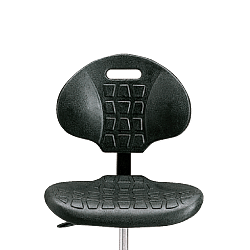
Swivel chairs are designed to offer 360-degree rotation, allowing operators to move freely without having to stand up. This feature is particularly useful in mechanical workshops, where the need for quick access to different work areas is essential. Swivel chairs are fitted with a stable base, often with castors, which allows for easy movement across smooth surfaces. Furthermore, many swivel chairs are height-adjustable, offering personalised support for different body heights and working preferences.
Use of swivel chairs in mechanical workshops
In mechanical workshops, swivel chairs are used in various contexts, from workbenches to control stations. Their ability to swivel and move easily allows operators to quickly access the necessary tools and materials, reducing time wasted on unnecessary movements. Furthermore, swivel chairs can be used in combination with height-adjustable tables, creating an ergonomic workstation that reduces fatigue and boosts productivity.
Benefits of swivel chairs in mechanical workshops
The use of swivel chairs in mechanical workshops offers numerous benefits. Firstly, they improve operators’ comfort by reducing the physical strain associated with prolonged static postures. This translates into greater job satisfaction and a reduction in absences due to musculoskeletal disorders. Secondly, swivel chairs increase operational efficiency, allowing operators to move quickly between different work areas without interruption. Finally, the ergonomic design of swivel chairs helps to prevent workplace injuries, improving the overall safety of the working environment.
How to choose the right swivel chair
Choosing the right swivel chair for a mechanical workshop depends on several factors. It is important to consider the quality of the materials, the weight capacity, the stability of the base and how easy it is to adjust. Furthermore, it is advisable to opt for chairs with built-in lumbar support and high-quality padding to ensure maximum comfort. Finally, it is essential to assess the chair’s compatibility with the specific working environment, taking into account the size of the space and operational requirements.
Maintenance and care of swivel chairs
To ensure a long service life and optimal performance of swivel chairs, regular maintenance is essential. This includes cleaning the surfaces, lubricating moving parts and periodically checking the castors and adjustment mechanisms. Furthermore, it is important to regularly inspect the chair’s frame for any signs of wear or damage, taking prompt action to prevent more serious problems.
Integrating swivel chairs with other equipment
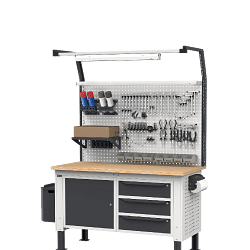
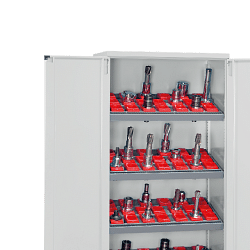
Swivel chairs can be easily integrated with other equipment found in mechanical workshops, such as workbenches, adjustable tables and storage systems. This integration allows for the creation of highly functional and customised workstations that meet the specific needs of operators. Furthermore, the use of swivel chairs in combination with other ergonomic equipment helps to improve the overall efficiency of the workplace.
Innovations in swivel chair design
In recent years, the design of swivel chairs has undergone significant innovations, with the introduction of advanced materials and cutting-edge technologies. For example, many modern swivel chairs are fitted with automatic adjustment mechanisms that adapt automatically to the user’s posture. Furthermore, the use of lightweight yet strong materials, such as aluminium and composite fibres, has made it possible to create lighter and more durable chairs, without compromising on stability and comfort.
The impact of swivel chairs on productivity
The adoption of swivel chairs in mechanical workshops has a significant impact on productivity. Thanks to their ability to improve operators’ comfort and efficiency, swivel chairs help to reduce downtime and optimise production processes. Furthermore, the ergonomic design of swivel chairs helps prevent fatigue and injuries, enabling operators to maintain high levels of concentration and performance over prolonged periods.
Conclusions on swivel chairs in mechanical workshops
In conclusion, swivel chairs are a key element in mechanical workshops, offering a combination of comfort, mobility and ergonomic support. Their use helps to improve operational efficiency, safety and operators’ job satisfaction. Investing in high-quality swivel chairs is a strategic choice that can lead to significant improvements in productivity and the quality of work.
FAQs on swivel chairs
What are the main benefits of swivel chairs in mechanical workshops?
Swivel chairs offer comfort, mobility and ergonomic support, improving operational efficiency and reducing the risk of accidents.
How are swivel chairs maintained?
Maintenance includes cleaning the surfaces, lubricating moving parts and checking the castors and adjustment mechanisms.
What features should you consider when choosing a swivel chair?
It is important to assess the quality of the materials, the weight capacity, the stability of the base and how easy it is to adjust.
Are swivel chairs suitable for all types of mechanical workshops?
Yes, swivel chairs are versatile and can be integrated into various working environments, adapting to the specific needs of the workplace.
What innovations have been introduced in the design of swivel chairs?
Recent innovations include automatic adjustment mechanisms and the use of lightweight, durable materials such as aluminium and composite fibres.
How do swivel chairs improve productivity?
They improve operators’ comfort and efficiency, reducing downtime and optimising production processes.
Can swivel chairs help prevent workplace injuries?
Yes, thanks to their ergonomic design, swivel chairs help prevent fatigue and musculoskeletal injuries.
What are the most common materials used for swivel chairs?
Common materials include metal, durable plastic and high-density foam padding for maximum comfort.
Are swivel chairs height-adjustable?
Yes, many swivel chairs feature height-adjustment mechanisms to suit different body heights and working preferences.
How can swivel chairs be integrated with other equipment?
They can be combined with workbenches, adjustable tables and storage systems to create functional, personalised workstations.Read More Read Less