< Furnishings and storage Furniture and cupboards for waste sorting
The importance of furniture and cupboards for waste sorting in mechanical workshops
In the context of mechanical workshops, operational efficiency and responsible waste management are crucial aspects for the success and sustainability of the business. Furniture and cupboards for separate waste collection represent an innovative and functional solution for optimising waste management, improving the organisation of space and promoting environmentally friendly practices. In this in-depth look, we will explore in detail what these items of furniture are, what they are used for, how they are used and what benefits they offer to mechanical workshops.
What are waste sorting units and cabinets?
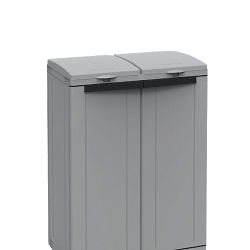
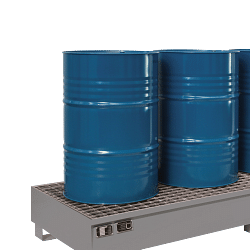
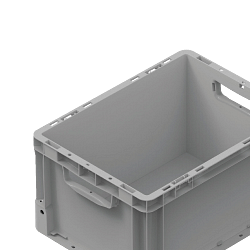
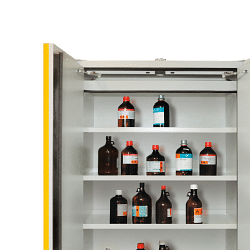
Recycling bins and cabinets are units specifically designed to facilitate the separation and storage of waste in an orderly and efficient manner. These units are made from sturdy, durable materials, suitable for withstanding the typical working conditions found in mechanical workshops. They may include separate compartments for different types of waste, such as metals, plastics, paper and hazardous waste, each clearly labelled to ensure correct sorting.
What are waste sorting units and cabinets used for?
The main purpose of waste sorting units and cabinets is to improve waste management within mechanical workshops. These units allow waste to be organised systematically, reducing the risk of contamination and facilitating recycling. Furthermore, they help to keep the workplace clean and safe, reducing the risk of accidents and improving overall operational efficiency.
How are waste sorting units and cabinets used?
Using waste sorting units and cabinets is simple and intuitive. Each compartment is designated for a specific type of waste, and staff simply need to place the materials in the appropriate bins. It is important that staff are properly trained in the correct separation of waste and the importance of recycling. Furthermore, it is advisable to carry out regular checks to ensure that waste is disposed of correctly and that the units are kept in good condition.
Benefits of using waste sorting units and cabinets
The use of waste sorting units and cabinets in mechanical workshops offers numerous benefits. Firstly, it improves operational efficiency by reducing the time and effort required to manage waste. Secondly, it promotes environmental sustainability through recycling and by reducing the amount of waste sent to landfill. Furthermore, it helps to create a safer and more organised working environment, reducing the risk of accidents and improving overall productivity.
Frequently asked questions about recycling bins and cabinets
What materials are used to make waste sorting units?
Recycling bins are generally made from durable materials such as stainless steel, aluminium or reinforced plastic, to ensure longevity and resistance to the working conditions found in mechanical workshops.
How can I choose the right unit for my workshop?
Choosing the right unit depends on the specific needs of your workshop, such as the type and quantity of waste produced, the space available and your budget. It is advisable to consult an expert to assess the most suitable options.
Can waste sorting units be customised?
Yes, many manufacturers offer customisation options to tailor the units to the specific needs of your workshop, such as dimensions, number of compartments and design.
What regulations must be followed for waste management in mechanical workshops?
Regulations vary by region, but generally include requirements for the separation, storage and disposal of waste, as well as for staff safety and training.
How can I ensure that my staff use the recycling bins correctly?
It is important to provide staff with adequate training on the correct separation of waste and the importance of recycling, as well as to carry out regular checks to ensure that the units are being used correctly.
What are the costs associated with installing recycling bins?
Costs may vary depending on the type and size of the bins chosen, but the initial investment is often offset by long-term savings resulting from more efficient waste management.
Do recycling bins require maintenance?
Yes, it is important to carry out regular checks and maintenance to ensure that the bins are in good condition and functioning correctly, thereby extending their lifespan and efficiency.
What are the environmental benefits of using recycling bins?
Using recycling bins helps reduce the amount of waste sent to landfill, promotes recycling and helps conserve natural resources, thereby improving overall environmental sustainability.
Can I integrate recycling bins with other waste management systems?
Yes, recycling bins can be integrated with other waste management systems, such as compactors or shredders, to further optimise waste management.
What are the future trends in the design of recycling bins?
Future trends include the use of recycled and sustainable materials, the integration of smart technologies for waste monitoring, and modular design for greater flexibility and adaptability.Read More Read Less