< Turning tools Groove and cutting on turning
An introduction to roll formers: an essential component in machine shops
In the world of machine shops, efficiency and precision are fundamental to ensuring the quality of work and customer satisfaction. Among the tools that help achieve these objectives, rollers play a prominent role. These devices, which are often underestimated, are essential for a wide range of industrial applications, offering significant benefits in terms of productivity and the quality of the final product.
What is a roller and how does it work
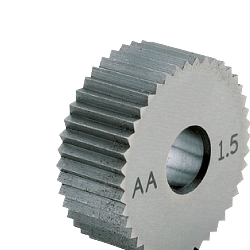
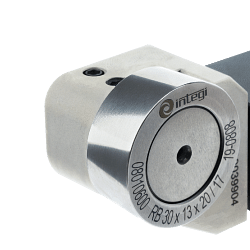
A roller is a mechanical tool used in metalworking, particularly for surface finishing and controlled plastic deformation. The operating principle of roller finishers is based on applying a compressive force to a metal surface, which causes plastic deformation of the material. This process improves the surface finish, increases surface hardness and reduces residual stresses, helping to extend the service life of the machined component.
Applications of roller finishers in machine shops
Rolling machines are used in a wide range of industrial applications. They are used for finishing cylindrical, conical and flat surfaces, as well as for machining threads and grooves. Thanks to their versatility, roller burnishers are used in sectors such as the automotive, aerospace and oil and gas industries, as well as in many other applications requiring precision and reliability.
Advantages of using roller finishers
The use of roll formers offers numerous advantages over other machining methods. Firstly, they improve the surface finish, reducing roughness and increasing corrosion resistance. Furthermore, the roll forming process increases surface hardness, improving the material’s resistance to wear and fatigue. Another significant advantage is the reduction in residual stresses, which helps to prevent deformation and failure of the component over time.
How to choose the right roller for your application
Choosing the right roller depends on several factors, including the type of material to be processed, the component’s geometry and the required finish specifications. It is also important to consider the roller’s ability to handle the compressive forces required to achieve the desired results. Working with an experienced supplier can help you select the roller best suited to your workshop’s specific needs.
Maintenance and care of roll formers
To ensure optimal performance and a long service life, it is essential to carry out regular maintenance on rollers. This includes periodic cleaning, lubricating moving parts and inspecting them for any signs of wear or damage. A well-planned maintenance programme can prevent unexpected breakdowns and ensure that roller presses operate at their full capacity.
Innovations and future trends in roller conveyors
The roller conveyor sector is constantly evolving, with new technologies and materials improving performance and efficiency. Recent innovations include the use of advanced materials to increase wear resistance and service life, as well as the development of automated rollers that incorporate sensors and control systems to optimise the manufacturing process. These trends promise to make rollers even more effective and versatile in the future.
FAQs on rollers
What are the main types of rollers available on the market?
There are several types of rolling machines, including manual, automatic and semi-automatic models, each designed for specific applications.
How does rolling affect the service life of the rolled component?
Rolling increases surface hardness and reduces residual stresses, improving resistance to wear and fatigue, thereby extending the component’s service life.
Can rolling machines be used on non-metallic materials?
Although roll forming machines are primarily designed for metals, they can also be used on certain non-metallic materials, provided they are compatible with the plastic deformation process.
What are the dimensional limits for the use of roll formers?
The dimensional limits depend on the type of roller and the specific application. It is important to consult the manufacturer’s specifications to determine the appropriate limits.
How is the quality of the surface finish achieved with rollers measured?
The quality of the surface finish is measured in terms of surface roughness, which can be assessed using specific measuring instruments such as profilometers.
What are the main factors affecting the effectiveness of rolling?
The main factors include the applied compressive force, the feed rate, the type of material and the component’s geometry.
Is specific training required to use rolling machines?
Yes, it is advisable to receive appropriate training to ensure the safe and effective use of roller finishers, particularly for more complex applications.
What are the signs of wear or damage in roll formers?
Signs of wear include scratches, dents and deformations on the contact surfaces, which can compromise the roller’s performance.
How can the efficiency of the rolling process be improved?
Efficiency can be improved by optimising machining parameters, using high-quality rollers and implementing a regular maintenance programme.
What are the environmental considerations when using rollers?
The use of rollers can reduce energy and material consumption compared to other finishing processes, contributing to a more sustainable approach to metalworking.Read More Read Less