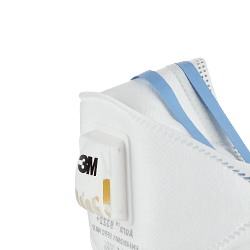
FFP3, FFP2 and FFP1 dust masks are an essential element of workplace safety, especially in industrial environments such as machine shops. These personal protective equipment (PPE) are designed to protect operators' respiratory tracts from harmful airborne particles, ensuring a safer working environment that complies with current regulations.
Understanding dust masks: a technical overview
Dust masks are classified according to their ability to filter out particles of different sizes and concentrations. FFP (Filtering Face Piece) classes are subdivided into FFP1, FFP2 and FFP3, each with specific filtration and resistance characteristics. The choice of the appropriate mask depends on the type of particles present in the work environment and the level of protection required.
FFP1: basic protection for non-toxic particles
FFP1 masks offer the lowest level of protection, filtering at least 80 % of airborne particles. They are suitable for environments where the particles are non-toxic and do not pose a significant health risk. In a machine shop, FFP1 masks can be used during operations that generate non-hazardous dust, such as sanding metal surfaces.
FFP2: intermediate protection for harmful particles
FFP2 masks are designed to filter out at least 94% of particles, offering intermediate protection against harmful particles and pathogens. These masks are ideal for environments where there is a higher concentration of hazardous dust, such as when working with materials containing silica or asbestos. In an industrial context, FFP2s are often used to protect operators from metal fumes and fine dust.
FFP3: maximum protection for highly hazardous particles
FFP3 masks offer the highest level of protection, filtering at least 99% of airborne particles. They are essential in highly contaminated environments, where particles can be extremely hazardous to health. In a machine shop, FFP3s are used during operations that generate toxic fumes or heavy metal dust, ensuring maximum safety for operators.
Advantages of using dust masks in machine shops
The use of dust masks in machine shops offers numerous advantages, including protecting the operators' respiratory tract, reducing the risk of occupational diseases and complying with occupational safety regulations. In addition, the adoption of appropriate PPE helps to improve productivity, reducing sick leave and increasing the general well-being of workers.
Frequently asked questions on the use of dust masks
1. When should an FFP3 mask be used? FFP3 masks are required in environments with high concentrations of hazardous particles, such as toxic fumes or heavy metal dusts.
2. How do I choose the right mask for a machine shop? The choice of mask depends on the type of particles present and the level of protection required. It is important to assess the specific risks of the working environment.
3. Can FFP masks be re-used? Most FFP masks are disposable, but there are reusable models with replaceable filters. It is essential to follow the manufacturer's instructions.
4. What are the regulations governing the use of dust masks? Dust masks must comply with European standards EN 149, which establish performance and safety requirements for respiratory protective devices.
5. How to ensure proper fit of masks? To ensure effective protection, it is essential that the masks fit snugly to the face. It is advisable to perform a fit test to check the fit.
Conclusion: the importance of respiratory protection in machine shops
In conclusion, FFP3, FFP2 and FFP1 dust masks are indispensable tools for ensuring the safety of operators in machine shops. Choosing the right device, according to the specific needs of the work environment, is crucial to protect workers' health and comply with regulations. Investing in respiratory protection not only protects the well-being of operators, but also contributes to improving the efficiency and productivity of the entire industrial activity.