< Pneumatics Pneumatic engraving pens
An Introduction to Pneumatic Engraving Pens
Pneumatic engraving pens are an essential tool in the mechanical engineering sector, offering precision and versatility across a wide range of applications. These tools are designed to engrave on hard surfaces such as metal, glass, ceramics and plastic, making them ideal for the permanent marking of components and equipment. In this article, we will explore in detail what pneumatic engraving pens are, how they work, their advantages and best practices for their use.
What are pneumatic engraving pens?
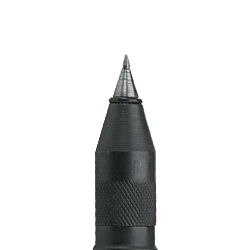
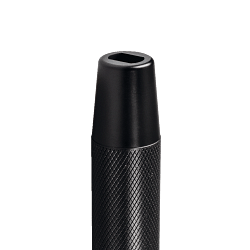
Pneumatic engraving pens are compressed-air-powered tools designed to create precise engravings on a variety of materials. These tools use a percussive mechanism that allows the tip to engrave the surface of the material with precision. The air pressure can be adjusted to control the depth and width of the engraving, giving the operator complete control.
Applications of pneumatic engraving pens
Pneumatic engraving pens are used across various industrial sectors. In engineering workshops, they are used to mark metal components, ensuring that each part is identifiable and traceable. In the automotive sector, they are used to engrave serial numbers and other critical information onto engine components. In the craft sector too, pneumatic engraving pens are valued for their ability to create detailed designs on glass and ceramics.
How do pneumatic engraving pens work?
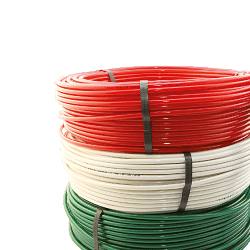
The operation of pneumatic engraving pens is based on the use of compressed air. The air is channelled through a flexible hose to the pen, where it drives an internal piston. This piston repeatedly strikes the engraving tip, which in turn engraves the surface of the material. The frequency and intensity of the strikes can be adjusted to achieve the desired effect, making these pens extremely versatile.
Advantages of pneumatic engraving pens
Using pneumatic engraving pens offers numerous advantages. Firstly, precision: thanks to the control of air pressure, it is possible to achieve extremely detailed engravings. Secondly, speed: pneumatic pens can quickly engrave large quantities of material, increasing production efficiency. Finally, there is versatility: they can be used on a wide range of materials, making them an indispensable tool across many sectors.
Correct use of pneumatic engraving pens
To achieve the best results with pneumatic engraving pens, it is important to follow certain guidelines. First of all, ensure that the compressed air is set to the correct pressure for the material being engraved. Furthermore, hold the pen vertically to the surface to ensure a uniform engraving. Finally, clean the engraving tip regularly to prevent build-up of material that could compromise the quality of the engraving.
Maintenance of pneumatic engraving pens
Regular maintenance of pneumatic engraving pens is essential to ensure their longevity and efficiency. After each use, it is advisable to clean the pen thoroughly and lubricate the moving parts to prevent wear. Also, check the air hose periodically for any leaks or damage. Proper maintenance not only extends the life of the tool but also ensures high-quality engravings.
Frequently asked questions about pneumatic engraving pens
What materials can be engraved with a pneumatic pen?
Pneumatic pens can engrave on metal, glass, ceramics, plastic and other hard materials.
Can the engraving depth be adjusted?
Yes, the engraving depth can be adjusted by changing the air pressure.
Are pneumatic engraving pens suitable for precision work?
Absolutely; thanks to precise pressure control, they are ideal for precision work.
What is the difference between a pneumatic pen and an electric one?
The main difference is the power source: pneumatic pens use compressed air, whilst electric pens use electricity.
How long does a pneumatic engraving pen last?
Their lifespan depends on how often they’re used and how well they’re maintained, but they can generally last for several years.
Do you need an air compressor to use a pneumatic pen?
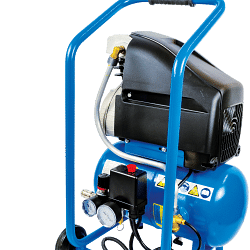
Yes, an air compressor is essential to supply the compressed air needed for the pen to operate.
Are pneumatic pens noisy?
They can be noisy due to the hammering mechanism, but the noise level varies depending on the model.
What safety precautions should be taken?
Always wear safety goggles and gloves whilst using the tool to avoid injury.
Can a pneumatic pen be used on painted surfaces?
Yes, but the engraving will remove the paint, so it is important to consider the desired effect.
Do pneumatic pens require specific training to use?
No specific training is required, but it is advisable to familiarise yourself with the manufacturer’s instructions for safe and effective use.
In conclusion, pneumatic engraving pens are indispensable tools in mechanical workshops and many other sectors. They offer precision, speed and versatility, making them ideal for a wide range of
applications. With proper maintenance and use, these pens can deliver high-quality engravings for many years.Read More Read Less