An introduction to pneumatic balancers: an innovation for the mechanical engineering industry
In the world of mechanical workshops, efficiency and precision are key to ensuring the quality of work and customer satisfaction. Pneumatic balancers represent an innovative solution that meets these needs, providing essential support for the handling and positioning of heavy loads. Thanks to their advanced technology, these tools reduce the physical strain on operators, whilst improving safety and productivity.
What are pneumatic balancers and how do they work?
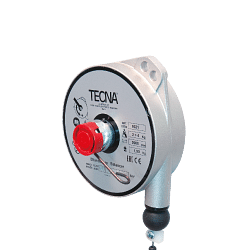
Pneumatic balancers are devices designed to lift and balance loads using compressed air pressure. They operate via a system of pneumatic cylinders which, powered by a compressor, generate a controllable lifting force. This keeps the load in balance, making it easier to move and position it with millimetre precision. Adjusting the air pressure allows the balancer to be adapted to different types of load, making it a versatile and indispensable tool in a wide range of industrial applications.
Practical applications of pneumatic balancers in mechanical workshops
In mechanical workshops, pneumatic balancers are used in a wide range of operations. They are particularly useful for lifting heavy components, such as engines, gearboxes and other large mechanical parts. Thanks to their ability to keep the load balanced, these devices facilitate the assembly and maintenance of complex machinery, reducing the risk of damage to components and improving operator safety. Furthermore, pneumatic balancers can be used in conjunction with other lifting equipment, such as cranes and hoists, to further optimise workflow.
Benefits of using pneumatic balancers
The use of pneumatic balancers in mechanical workshops offers numerous benefits. Firstly, they help to reduce the physical strain on operators, minimising the risk of musculoskeletal injuries. This results in a safer working environment and greater staff satisfaction. Furthermore, pneumatic balancers improve the precision of lifting and positioning operations, reducing the risk of errors and enhancing the quality of work. Finally, thanks to their versatility, these devices can be easily integrated into various stages of the production process, helping to optimise the workshop’s overall efficiency.
How to choose the most suitable pneumatic balancer for your needs
Choosing the most suitable pneumatic balancer depends on several factors, including the type of load to be lifted, the frequency of use and the specific requirements of the workshop. It is important to consider the device’s lifting capacity, which must be adequate for the maximum weight of the loads to be handled. Furthermore, it is essential to assess the quality of the materials and the sturdiness of the structure to ensure a long service life and reliable operation over time. Finally, it is advisable to opt for models equipped with advanced safety systems, such as automatic lock-off valves and pressure control devices, to ensure safe and efficient use.
Maintenance and care of pneumatic balancers
To ensure optimal performance and extend the service life of pneumatic balancers, regular maintenance is essential. This includes periodically checking the condition of the cylinders and seals to prevent air leaks and ensure constant pressure. Furthermore, it is important to check the condition of the valves and connecting hoses to prevent blockages and malfunctions. Finally, it is advisable to follow the manufacturer’s instructions regarding the lubrication and cleaning of components, in order to keep the device in perfect working order.
Technological innovations in pneumatic balancers
In recent years, pneumatic balancers have benefited from significant technological innovations, which have further improved their performance and versatility. These include the integration of electronic control systems, which allow for the precise adjustment of air pressure and real-time monitoring of the device’s operating conditions. Furthermore, some models are fitted with load and position sensors, which enable certain operations to be automated and the workflow to be optimised. These innovations make pneumatic balancers increasingly sophisticated and indispensable tools for modern mechanical workshops.
Frequently asked questions about pneumatic balancers
What is the difference between a pneumatic and an electric tyre balancer?
Pneumatic balancers use compressed air to lift loads, whilst electric balancers rely on electric motors. Pneumatic balancers are generally lighter and require less maintenance.
What are the main advantages of pneumatic balancers compared to other lifting systems?
Pneumatic balancers offer greater precision in positioning loads, reduce the physical strain on operators and improve workplace safety.
How can I determine the lifting capacity required for my pneumatic balancer?
The lifting capacity must exceed the maximum weight of the loads you expect to handle. It is advisable to consult the manufacturer’s technical specifications.
Can pneumatic balancers be used outdoors?
Yes, but it is important to ensure that the device is protected from adverse weather conditions and is suitable for outdoor use.
What are the main safety considerations when using pneumatic balancers?
It is essential to follow the manufacturer’s instructions, use safety devices such as lock-off valves and ensure regular maintenance.
Can pneumatic balancers be used to lift irregularly shaped loads?
Yes, but it is important to ensure that the load is properly balanced and secured to prevent unwanted movement during lifting.
What are the costs associated with purchasing and maintaining a pneumatic balancer?
Costs vary depending on the model and technical specifications. It is also important to consider maintenance costs and any accessories.
How can I improve the efficiency of my pneumatic balancer?
Ensure the device is correctly calibrated, carry out regular maintenance and use suitable accessories to optimise performance.
What are the leading brands of pneumatic balancers available on the market?
There are several well-known brands, including Ingersoll Rand, Atlas Copco and Kito, which offer a wide range of models to suit different needs.
Is it possible to customise a pneumatic balancer for specific applications?
Yes, many manufacturers offer customisation options to adapt the machine to specific operational requirements.Read More Read Less