< Milling cutters Milling cutters for trimming and chamfering
An introduction to chamfering and deburring cutters
Chamfering and deburring cutters are essential tools in the mechanical engineering sector, used to finish and refine the edges of machined parts. These tools are designed to ensure precision and quality in finishing operations, helping to improve the efficiency and productivity of machine shops. In this article, we will explore in detail what chamfering and deburring cutters are, how they are used, the benefits they offer, and we will answer the most frequently asked questions about these tools.
What are chamfering and deburring cutters?
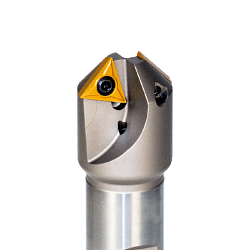
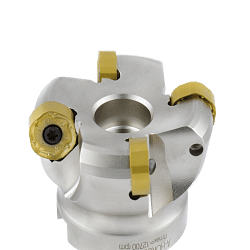
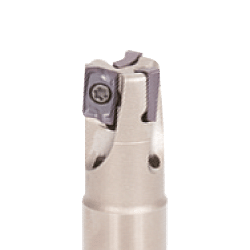
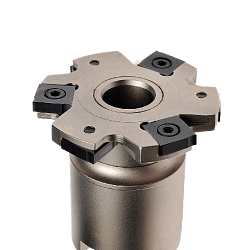
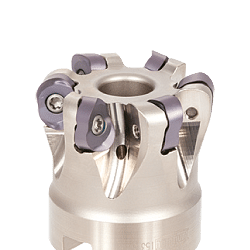
Facing and chamfering cutters are cutting tools used to remove material from the edges of a workpiece, creating smooth surfaces and precise angles. Facing refers to the process of removing a thin layer of material to achieve a flat, uniform surface, whilst chamfering involves creating a bevelled angle along the edge of a workpiece. These tools are available in various shapes and sizes, designed to suit specific applications and materials.
Applications of facing and chamfering cutters
Facing and chamfering cutters are used in a wide range of industrial applications. They are primarily used in machine shops for metalworking, but can also be used on plastics and composites. These tools are essential for the production of precision mechanical components, where the quality of the surface finish is crucial. Furthermore, they are used in the manufacture of automotive and aerospace parts, as well as in many other industries that require high standards of precision and quality.
How are trimming and chamfering cutters used?
Using chamfering and deburring cutters requires technical expertise and a thorough understanding of the specifications of the material being machined. Before starting the process, it is essential to select the appropriate cutter based on the material and the geometry of the workpiece. During the operation, it is important to maintain a constant cutting speed and apply uniform pressure to avoid defects in the finish. Furthermore, the use of suitable lubricants can improve the quality of the machining and extend the tool’s service life.
Advantages of chamfering and deburring cutters
The use of chamfering and deburring cutters offers numerous advantages. Firstly, they improve the quality of the surface finish, reducing the need for further machining. Furthermore, they help to reduce production times and operating costs, increasing the overall efficiency of the production process. These tools are designed to ensure precision and repeatability, enabling consistent results even in large-scale production. Finally, the use of high-quality milling cutters can reduce tool wear and extend their service life, offering a significant return on investment.
Frequently asked questions about chamfering and deburring cutters
What materials can be machined with chamfering and deburring cutters?
Chamfering and beveling cutters can be used on a wide range of materials, including ferrous and non-ferrous metals, plastics and composites.
What is the difference between facing and chamfering?
Facing refers to the removal of a thin layer of material to achieve a flat surface, whilst chamfering creates a bevelled angle along the edge of a workpiece.
How do you choose the right cutter for a specific application?
The choice of cutter depends on the material to be machined, the geometry of the workpiece and the application specifications. It is important to consult the manufacturer’s technical specifications.
What are the main advantages of milling cutters for planing and chamfering?
The main advantages include improved surface finish quality, reduced production times and operating costs, and greater precision and repeatability.
How do you keep a chamfering and deburring cutter in good condition?
To keep a milling cutter in good condition, it is important to clean it regularly, use suitable lubricants and follow the manufacturer’s maintenance recommendations.
What safety precautions should be followed when using milling cutters?
It is essential to wear personal protective equipment, such as safety goggles and gloves, and to follow the workshop’s safety guidelines.
Can chamfering and deburring cutters be used on CNC machines?
Yes, many chamfering and deburring cutters are designed for use on CNC machines, offering precision and automation in the machining process.
What is the average lifespan of a chamfering and deburring cutter?
The service life of a milling cutter depends on the material being machined, the frequency of use and maintenance. Generally speaking, high-quality milling cutters can last a long time if used correctly.
Can chamfering and deburring cutters be resharpened?
Yes, many cutters can be resharpened to extend their service life. However, it is important to rely on professionals to ensure they are sharpened correctly.
What are the current trends in the design of chamfering and deburring cutters?
Current trends include the use of advanced materials to improve durability and efficiency, and the development of innovative geometries to optimise cutting performance.Read More Read Less