An introduction to oil separators: an essential component for machine shops
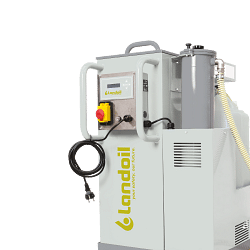
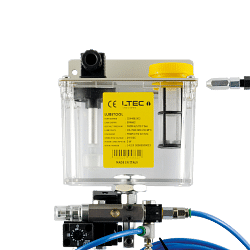
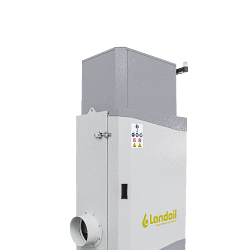
In the context of machine shops, efficiency and cleanliness are crucial factors in ensuring smooth and safe operations. Oil separators are a fundamental component in this context, offering advanced solutions for separating oil from industrial fluids. These devices are designed to improve the quality of production processes, reduce operating costs and minimise environmental impact. In this article, we will explore in detail what oil separators are, how they work, their benefits and their practical applications in machine shops.
What are oil separators and how do they work?
Oil separators are devices designed to separate oil from water and other industrial fluids. They utilise physical and mechanical principles to effectively remove oils, ensuring that effluent complies with environmental regulations. The operation of an oil separator is based on technologies such as coalescence, gravity and filtration. Coalescence allows oil particles to clump together, forming larger droplets that can be easily separated. Gravity, on the other hand, exploits the difference in density between oil and water to facilitate separation. Finally, mechanical filtration ensures the removal of solid particles and impurities.
Practical applications of oil separators in mechanical workshops
In mechanical workshops, oil separators are used in various processes, including machinery maintenance, parts cleaning and waste management. These devices are essential for wastewater treatment, ensuring that effluent is free from oily contaminants. Furthermore, oil separators help to extend the service life of machining fluids, reducing the need for frequent replacements and cutting operating costs. The use of oil separators in mechanical workshops not only improves operational efficiency but also ensures compliance with environmental regulations.
Benefits of using oil separators
The adoption of oil separators in mechanical workshops offers numerous benefits. Firstly, they improve the quality of machining fluids, reducing machinery wear and increasing productivity. Secondly, they help to reduce operating costs by minimising the need to dispose of oily waste and extending the service life of the fluids. Furthermore, oil separators help to ensure compliance with environmental regulations, reducing the ecological impact of industrial operations. Finally, they improve workplace safety by reducing the risk of accidents caused by oil and grease on work surfaces.
How to choose the right oil separator for your workshop
Choosing the right oil separator depends on several factors, including the type of fluids being processed, production volume and specific operational requirements. It is important to consider the oil separator’s capacity, its separation efficiency and ease of maintenance. Furthermore, it is essential to assess the device’s compatibility with the fluids used in the workshop and its compliance with environmental regulations. A thorough analysis of operational requirements and consultation with industry experts can help identify the most suitable solution.
Maintenance and care of oil separators
To ensure optimal operation and extend the service life of oil separators, regular maintenance is essential. This includes cleaning the components, checking separation efficiency and replacing worn parts. It is important to follow the manufacturer’s instructions and schedule regular maintenance. Furthermore, training staff on the correct use and maintenance of oil-water separators can help prevent breakdowns and optimise the unit’s performance.
Technological innovations in oil-water separators
In recent years, oil-water separators have benefited from significant technological innovations. The integration of advanced monitoring systems and smart sensors has improved the efficiency and precision of separation processes. Furthermore, the use of innovative materials and optimised designs has made it possible to reduce the size and energy consumption of oil-water separators. These innovations not only improve performance but also help to reduce the environmental impact of industrial operations.
FAQs on oil separators
What is an oil separator?
An oil-water separator is a device used to separate oil from water and other industrial fluids, thereby improving the quality of production processes.
How does an oil-water separator work?
Oil-water separators use technologies such as coalescence, gravity and filtration to effectively remove oils from fluids.
What are the benefits of using oil separators?
Oil separators improve the quality of fluids, reduce operating costs, ensure compliance with environmental regulations and enhance workplace safety.
Where are oil separators used?
Oil separators are used in mechanical workshops, in machinery maintenance processes and in waste management.
How do you choose the right oil separator?
The choice depends on the type of fluids being treated, the production volume and specific operational requirements.
What maintenance is required for an oil separator?
Maintenance includes cleaning the components, checking performance and replacing worn parts.
What technological innovations are found in modern oil separators?
Modern oil separators incorporate advanced monitoring systems, smart sensors and innovative materials to improve performance.
Do oil separators comply with environmental regulations?
Yes, oil separators are designed to ensure that effluent complies with environmental regulations.
What are the costs associated with using oil separators?
The costs include purchase, maintenance and any replacement of parts, but these are offset by operational savings.
How do oil separators improve workplace safety?
They reduce the risk of accidents caused by oil and grease on work surfaces, thereby improving overall safety.Read More Read Less