< Lubricants for machine tools Oil mist extractors
An introduction to oil mist extractors
In the context of machine shops, air quality management is a crucial aspect of ensuring a safe and healthy working environment. Oil mist aspirators represent an advanced technological solution to address this issue. These devices are designed to capture and remove airborne oil particles generated during machining processes. In this article, we will explore in detail what oil mist aspirators are, how they work, their benefits and best practices for their use.
What are oil mist extractors?
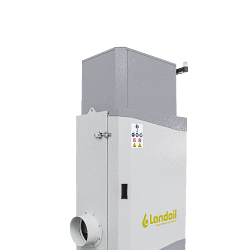
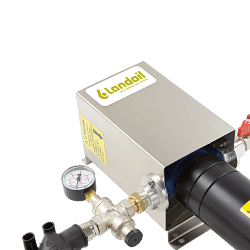
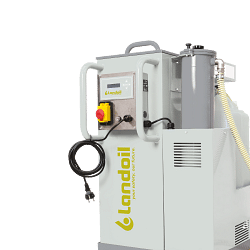
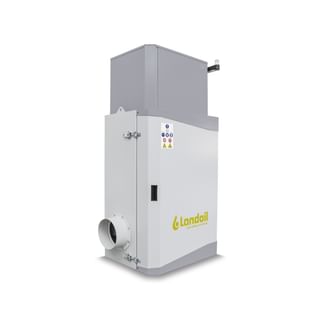
Oil mist aspirators are air filtration devices specifically designed to remove oil particles and other contaminants generated during machining processes. If not properly managed, these particles can cause health problems for workers and compromise the efficiency of equipment. Oil mist aspirators use a combination of mechanical and electrostatic filters to capture and retain the particles, ensuring cleaner and safer air.
How oil mist extractors work
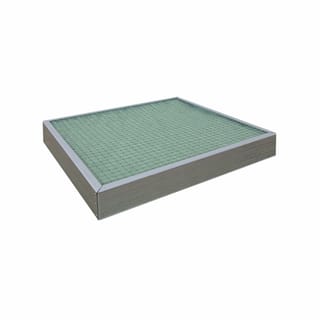
The operating principle of oil mist aspirators is based on a multi-stage filtration system. Initially, the contaminated air is drawn into the unit by a fan. It then passes through a series of mechanical filters that capture the larger particles. Finally, the air undergoes an electrostatic filtration process, which uses electrical charges to attract and trap the smallest particles. This process ensures the effective removal of oil mist, returning clean air to the workplace.
Benefits of using oil mist extractors
The use of oil mist aspirators offers numerous benefits for mechanical workshops. Firstly, they improve air quality, reducing workers’ exposure to harmful substances and helping to prevent respiratory problems and other related health issues. Furthermore, they reduce the build-up of oil on equipment surfaces, improving operational efficiency and reducing maintenance costs. Finally, the use of these devices can help ensure compliance with environmental and health and safety regulations, avoiding fines and enhancing the company’s reputation.
How to choose the right oil mist extractor
Choosing the right oil mist aspirator depends on several factors, including the size of the workshop, the type of work carried out and the volume of oil mist generated. It is important to assess the unit’s extraction capacity, its filtration efficiency and ease of maintenance. Furthermore, it is advisable to opt for models equipped with monitoring and control systems, which allow you to check the unit’s performance in real time and take prompt action in the event of any faults.
Installation and maintenance of oil mist extractors
Correct installation of oil mist aspirators is essential to ensure their effectiveness. It is important to position the unit close to the sources of oil mist emissions and to ensure that the extraction system is suitably sized. Regular maintenance is equally crucial: filters must be cleaned or replaced periodically to maintain the unit’s efficiency. Furthermore, it is advisable to carry out periodic checks to verify that the system is functioning correctly and to prevent any breakdowns.
FAQs on oil mist extractors
What are the main components of an oil mist aspirator?
Oil mist aspirators mainly consist of a fan, mechanical filters, electrostatic filters and an exhaust system for clean air.
How do you determine the required extraction capacity?
The required extraction capacity depends on the volume of oil mist generated and the size of the area to be treated. It is advisable to consult an expert for an accurate assessment.
What are the costs associated with using oil mist extractors?
The costs include the purchase of the unit, installation, regular maintenance and any filter replacements.
Are oil mist extractors suitable for all mechanical workshops?
Yes, oil mist aspirators are suitable for all mechanical workshops that generate oil mist during machining processes.
What regulations govern the use of oil mist extractors?
Regulations vary from country to country, but generally cover air quality, health and safety at work, and environmental protection.
Is it possible to install an oil mist aspirator without the help of a professional?
Although it is possible, it is advisable to seek the help of a professional to ensure a correct and safe installation.
How often should the filters in oil mist extractors be replaced?
The frequency of filter replacement depends on how often the unit is used and the manufacturer’s specifications, but it is generally advisable to carry out monthly checks.
Can oil mist extractors be used in high-temperature environments?
Yes, many models are designed to operate effectively even in high-temperature environments, but it is important to check the manufacturer’s specifications.
What are the signs of a malfunction in an oil mist aspirator?
Signs of a fault may include reduced extraction efficiency, unusual noises or an increase in the concentration of oil mist in the air.
Is it possible to improve the efficiency of oil mist extractors?
Yes, efficiency can be improved through regular maintenance, the use of high-quality filters and optimising the positioning of the unit.Read More Read Less