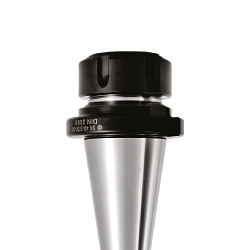
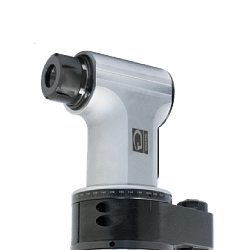
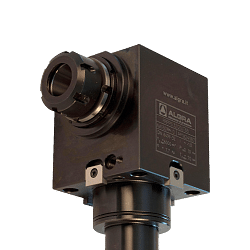
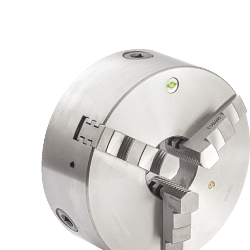
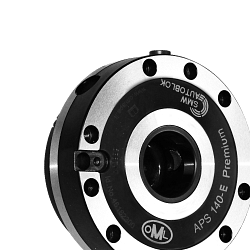
Precision workshop and CNC vices represent a fundamental element in the machining landscape. These tools, essential for ensuring stability and precision during milling, turning and drilling operations, are designed to meet the most demanding requirements of modern workshops. In this in-depth look, we will explore in detail what precision vices are, how they are used, the advantages they offer and answer some of the most frequently asked questions on this topic.
Introduction to precision vices
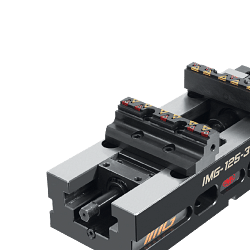
Precision vices are mechanical devices used to securely clamp workpieces during machining on machine tools such as CNC milling machines and lathes. Their main function is to hold the workpiece in position, preventing unwanted movements that could compromise the quality of the work. These vices are designed to provide a secure and stable grip while ensuring precise alignment of the workpiece with respect to the machining tools.
Features of precision vices
Precision vices are characterised by a number of technical features that make them suitable for high-precision machining. These include the ability to exert an even and controlled clamping force, resistance to wear and the ability to maintain precision over time. In addition, many precision vices are equipped with fine adjustment systems that allow the grip to be adapted to the specific dimensions of the workpiece.
Use of precision vices in workshops
In machine shops, precision vices are used in a wide range of applications. During milling operations, for example, it is essential that the workpiece is clamped securely to avoid vibrations that could compromise the surface finish. Similarly, during turning, a precision vice ensures that the workpiece remains centred and stable, guaranteeing smooth machining.
Advantages of precision vices
The use of precision vices offers numerous advantages. Firstly, they improve the quality of the end product due to their ability to hold the workpiece in place with millimetre precision. This results in reduced scrap and increased production efficiency. In addition, precision vices reduce the risk of part and tool damage, prolonging tool life.
Materials and design of precision vices
Precision vices are generally made of hardened steel, a material that offers excellent resistance to wear and deformation. Vices may vary in design depending on specific machining requirements, but in general, they have a strong, compact construction with precisely machined contact surfaces to ensure a secure grip.
Frequently asked questions about precision vices
1. What is the difference between a standard vise and a precision vise? Precision vises are designed for applications requiring a high degree of accuracy and stability. In contrast to standard vises, they offer a higher adjustment capacity and a more uniform clamping force.
2. How do I choose the right precision vise for a specific application? The choice of precision vise depends on several factors, including the size of the workpiece, the type of machining and the specific precision requirements. It is also important to consider compatibility with the machine tool being used.
3. Do precision vices require maintenance? Yes, to ensure optimal performance and long life, it is important to maintain precision vices regularly. This includes cleaning contact surfaces and lubricating moving parts.
Conclusions
Precision workshop and CNC vices are indispensable tools for anyone working in the machining industry. Thanks to their ability to ensure a secure and precise grip, they contribute to improving the quality of the end product and the efficiency of the production process. Choosing the right precision vice and keeping it in good condition is crucial to achieving optimal results and prolonging equipment life.