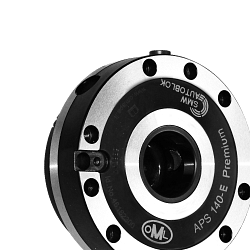
< Clamping systems Chucks DIN 2080 and cylindrical
An introduction to DIN 2080 and cylindrical chucks
In the world of machine shops, efficiency and precision are fundamental to ensuring the quality of the work carried out. Among the essential tools that help achieve these objectives, DIN 2080 and cylindrical chucks play a prominent role. Although these devices may seem simple at first glance, they are the result of technological developments that have significantly improved machining operations. In this article, we will explore in detail what DIN 2080 and cylindrical spindles are, what they are used for, how they are used and what advantages they offer.
What is a DIN 2080 and cylindrical spindle?
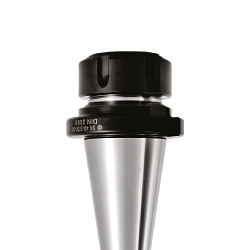
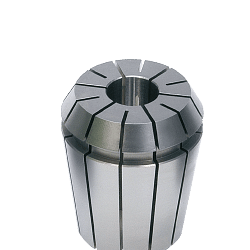
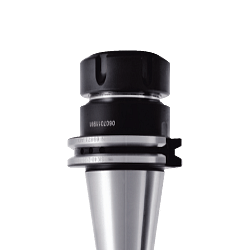
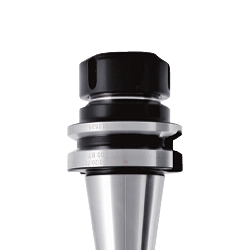
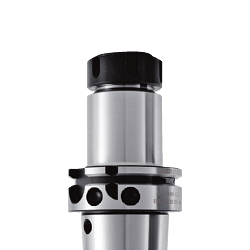
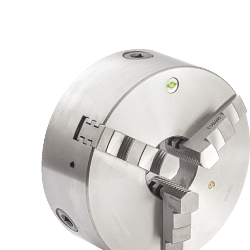
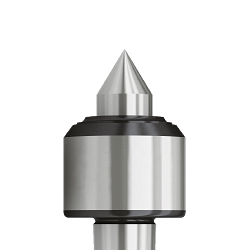
DIN 2080 and cylindrical spindles are mechanical devices used to clamp tools or workpieces onto machine tools such as lathes, milling machines and drills. The term ‘DIN 2080’ refers to a specific German standard that defines the dimensions and tolerances for these chucks, thereby ensuring standardised interchangeability and compatibility between different manufacturers and machines. Cylindrical spindles, on the other hand, refer to the shape of the spindle itself, which is designed to accommodate tools with cylindrical shanks.
Use of DIN 2080 and cylindrical chucks in machine shops
The use of DIN 2080 and cylindrical spindles is essential in machine shops to ensure stability and precision during machining operations. These spindles are designed to hold tools or workpieces firmly in place, minimising vibrations and ensuring consistent machining. Their ability to adapt to different types of tools and workpieces makes them extremely versatile and suitable for a wide range of applications.
Advantages of DIN 2080 and cylindrical chucks
The use of DIN 2080 and cylindrical chucks in machine shops offers numerous advantages. Firstly, the standardisation guaranteed by the DIN 2080 standard ensures that the chucks are compatible with a wide range of machines and tools, reducing the need for adaptors or modifications. Furthermore, the cylindrical shape of the spindles allows for an even distribution of forces, improving stability and reducing tool wear. This results in a longer tool life and lower operating costs.
How to choose the right spindle for your needs
Choosing the right spindle depends on several factors, including the type of machining to be carried out, the material of the workpiece and the specifications of the machine tool. It is important to consider the chuck’s clamping capacity, its compatibility with the available tools and the precision required for the operation. Furthermore, it is essential to ensure that the chuck complies with DIN 2080 standards to guarantee maximum compatibility and safety.
Maintenance and care of DIN 2080 and cylindrical spindles
To ensure a long service life and optimal performance, it is essential to carry out regular maintenance on DIN 2080 and cylindrical spindles. This includes periodic cleaning to remove swarf and debris, lubricating moving parts to reduce friction, and carrying out visual inspections to identify any signs of wear or damage. Proper maintenance not only extends the life of the spindle but also helps to maintain the precision and efficiency of machining operations.
FAQs on DIN 2080 and cylindrical spindles
What are the differences between a DIN 2080 spindle and a DIN 69871 spindle?
The main difference lies in the dimensional specifications and tolerances defined by the respective standards. DIN 2080 is specific to certain types of machines and applications, whilst DIN 69871 is used in different contexts.
How can I check whether a spindle complies with the DIN 2080 standard?
You can check compliance by reviewing the technical specifications provided by the manufacturer and comparing them with the requirements of the DIN 2080 standard.
What materials are used in the manufacture of DIN 2080 and cylindrical spindles?
Spindles are generally made from high-strength steel to ensure durability and wear resistance.
Can DIN 2080 spindles be used on CNC machines?
Yes, DIN 2080 spindles are compatible with many CNC machines, provided that the compatibility specifications are met.
What are the signs of wear on a spindle?
Signs of wear include excessive vibration, difficulty in clamping, and visible signs of damage or deformation.
How can I extend the service life of my spindle?
Regular maintenance, proper lubrication and correct use can significantly improve the service life of the spindle.
What are the common applications of cylindrical spindles?
Cylindrical spindles are commonly used in milling, drilling and turning operations.
Is an adapter required to use DIN 2080 spindles on non-standard machines?
In some cases, an adapter may be required to ensure compatibility with non-standard machines.
How does the precision of the spindle affect the quality of the work?
A precise spindle ensures uniform clamping, reducing vibrations and improving the quality of the machining.
What safety considerations are there when using DIN 2080 and cylindrical chucks?
It is important to follow the manufacturer’s guidelines, use protective equipment and ensure that the spindle is correctly installed and maintained.Read More Read Less