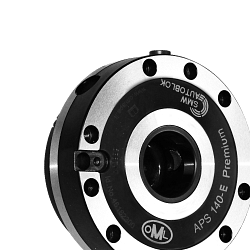
< Clamping systems Spring collects for locking and chucks
CNC collets and chucks are a crucial element in the modern machine shop landscape. Although these tools may seem simple at first glance, they are the result of advanced engineering and meticulous design, making them indispensable for precision and efficiency in machining processes. In this in-depth look, we will explore in detail what collets are, what they are used for, how they are used, the advantages they offer and answer some of the most frequently asked questions about these tools.
Understanding elastic grippers
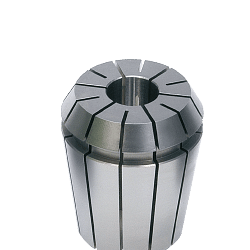
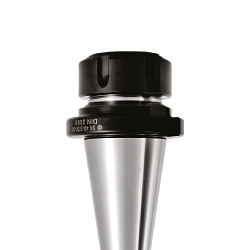
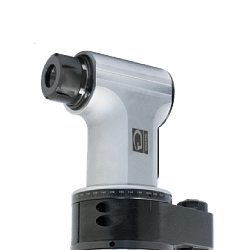
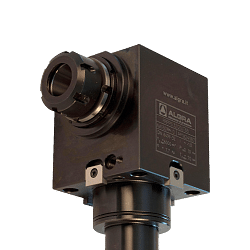
Elastic collets, also known as collets, are mechanical devices designed to grip and hold a workpiece securely during machining operations. They are commonly used in conjunction with CNC spindles, which are computer-controlled machine tools, to ensure that the workpiece remains stable and does not move during the machining process. Spring collets are made of high-quality steel and are designed to withstand high clamping forces while ensuring a secure and precise grip.
Operation and Use of Spring Collets
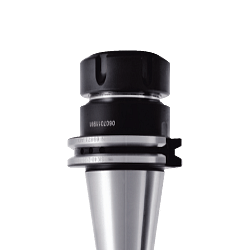
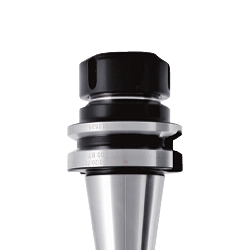
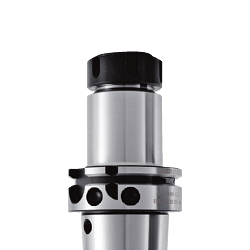
The operation of elastic grippers is based on a simple but effective principle: compression. When an elastic collet is inserted into a CNC chuck, it is compressed, reducing its internal diameter and gripping the workpiece firmly. This clamping mechanism is essential to ensure that the workpiece remains stationary during cutting, milling or drilling operations, minimising vibration and improving machining accuracy.
Spring collets are available in different sizes and configurations, depending on the specific needs of the application. Some grippers are designed to grip standard-sized workpieces, while others can be customised to fit workpieces of particular shapes or sizes. In addition, collets can be used in a variety of applications, from small-scale precision machining to large-scale production operations.
Advantages of elastic collets
The use of elastic collets for clamping offers numerous advantages, making them a preferred choice in machine shops. One of the main advantages is precision. Due to their ability to grip the workpiece firmly, spring collets minimise vibration and ensure precise and accurate machining. This is especially important in applications where tolerance is critical and even the slightest error can compromise the quality of the end product.
Another significant advantage is versatility. Spring collets can be used with a wide range of CNC spindles and are compatible with different types of machine tools. This makes them a flexible solution for workshops working with a variety of materials and parts. In addition, collets are easy to install and remove, which reduces machine downtime and increases operational efficiency.
Frequently asked questions about collets
In the context of machine shops, questions often arise regarding the use and maintenance of spring collets. One of the most common questions concerns the service life of collets. In general, the service life of a spring collet depends on several factors, including frequency of use, type of material processed and operating conditions. However, with proper maintenance, elastic grippers can last a long time and offer reliable performance.
Another frequently asked question concerns the compatibility of collets with different CNC spindles. It is important to note that not all collets are compatible with all spindles. Therefore, it is essential to check the specifications of the spindle and collet before purchase to ensure optimal compatibility.
Conclusions
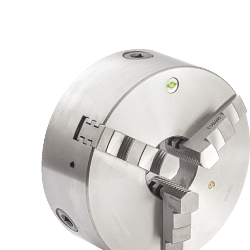
CNC collets and chucks are essential tools in modern machine shops. They offer precision, versatility and reliability, making them an ideal choice for a wide range of machining applications. Understanding how they work, their benefits and answers to frequently asked questions can help workshops optimise their processes and improve the quality of their products. As CNC technology continues to evolve, collets will continue to play a crucial role in ensuring the efficiency and precision of machining operations.
Read More Read Less