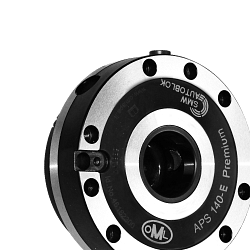
Magnetic platens for machine tools are an essential component of modern machine shops. These tools, although often overlooked, offer a number of advantages that can significantly improve the efficiency and precision of machining operations. In this in-depth look, we will explore in detail what magnetic platens are, how they work, their benefits and practical applications in machine shops.
Understanding magnetic tables for machine tools
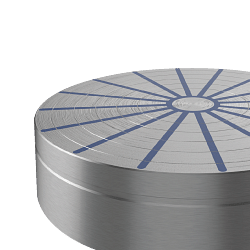
Magnetic platens are devices designed to securely hold workpieces on machine tools such as milling machines, lathes and grinding machines. They use magnetic force to hold the workpiece in place, eliminating the need for traditional mechanical clamps. This not only simplifies the clamping process, but also reduces the risk of damaging the workpiece during machining.
How magnetic platens work
The operating principle of magnetic platens is based on the use of permanent magnets or electromagnets. Permanent magnets offer a constant magnetic field, while electromagnets can be switched on or off via an electrical control. This flexibility allows the magnetic plane to be adapted to different operational requirements, making it a versatile tool for a wide range of applications.
Advantages of using magnetic tables
One of the main advantages of magnetic platens is their ability to reduce setup times. Since there is no need for mechanical clamps, the time required to clamp and remove workpieces is greatly reduced. In addition, magnetic platens offer an even distribution of clamping force, reducing the risk of workpiece deformation and improving machining accuracy.
Another significant benefit is the possibility of working on irregular or complex surfaces. Magnetic platens can adapt to different shapes and sizes, allowing greater flexibility when machining complex workpieces. This is particularly useful in applications where precision is critical, such as in the production of aerospace or automotive components.
Practical applications in machine shops
In machine shops, magnetic platens find application in a variety of machining processes. They are particularly useful in milling operations, where the stability of the workpiece is crucial to achieving high-quality finishes. Furthermore, in grinding processes, magnetic platens ensure a uniform contact surface, improving the accuracy and quality of the final product.
Frequently asked questions about magnetic platens
One of the most common questions concerns the safety of magnetic platens. It is important to note that, when used correctly, magnetic platens are safe and reliable. However, it is essential to follow the manufacturer's guidelines and ensure that the magnetic platen is properly maintained to ensure optimal performance.
Another frequent question concerns the compatibility of magnetic tops with different materials. Magnetic platens are most effective with ferrous materials, but there are specialised solutions for working with non-ferrous materials, such as the use of magnetic inserts or hybrid clamping systems.
Conclusions
Magnetic machine tool tables are an innovative and versatile solution for modern machine shops. They offer numerous advantages, including greater efficiency, precision and flexibility in the machining of workpieces. Understanding how they work and their practical applications can help machine shops optimise their production processes and improve the quality of their end products. As machining technologies continue to evolve, magnetic platens will continue to play a crucial role in the future of machine shops.