< Chemical, adhesives and sealants Threadlocker
Professional threadlockers: an essential element for machine shops
In the world of machine shops, the reliability and security of threaded connections are of paramount importance. Professional threadlockers are an indispensable solution for ensuring the tightness and stability of threaded connections, preventing unwanted loosening that could compromise the operation of machinery and equipment. In this in-depth look, we will explore in detail what threadlockers are, how they work, their benefits and best practices for their use.
What are professional threadlockers?
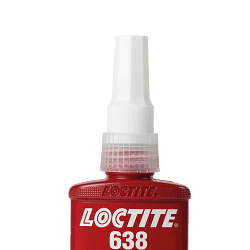
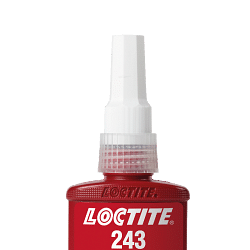
Threadlockers are anaerobic adhesives designed to lock and seal threaded joints. These chemicals cure in the absence of air and in the presence of metal, creating a strong and durable bond between threaded surfaces. Threadlockers are available in different formulations, each with specific strength and viscosity characteristics, to suit a wide range of industrial applications.
How do threadlockers work?
The operating principle of threadlockers is based on their ability to cure in the absence of oxygen. When applied to a thread, threadlockers fill the spaces between the threads and, once the components are assembled, the absence of air triggers the polymerisation process. This process creates a chemical bond that prevents relative movement between the threaded surfaces, ensuring a secure and vibration-resistant connection.
Advantages of using professional threadlockers
The use of professional threadlockers offers numerous advantages in industrial applications. Firstly, they improve the security of threaded joints, reducing the risk of loosening that could cause mechanical failure. In addition, threadlockers protect threads against corrosion, extending the service life of components. Another significant advantage is their ability to withstand extreme temperatures and aggressive chemicals, making them ideal for harsh industrial environments.
Common applications of threadlockers in machine shops
In machine shops, threadlockers are used in a wide range of applications. They are commonly used to lock bolts and screws in heavy machinery, lifting equipment and industrial vehicles. In addition, they are essential for sealing connections in hydraulic and pneumatic systems, where loss of pressure could compromise operating efficiency. Threadlockers are also used to seal threaded connections in chemical and petrochemical production plants.
How to choose the right threadlocker for your application
The choice of the appropriate threadlocker depends on several factors, including the type of metal of the threaded surfaces, the size of the threads, the environmental conditions and the required level of strength. Threadlockers are classified according to their resistance: low, medium and high. Low-strength products are ideal for applications requiring frequent disassembly, while high-strength products are suitable for permanent connections. It is important to consult the product data sheets to select the most suitable threadlocker for your specific needs.
Frequently asked questions about professional threadlockers
1. Can threadlockers be used on all metal surfaces?
Yes, threadlockers are designed to work on a wide range of metals, including steel, aluminium and brass. However, it is important to check the compatibility of the product with the specific metal used.
2. Can components blocked with threadlockers be removed?
Yes, components stuck with threadlocking can be removed by applying heat or using specific tools to loosen the connection. It is important to follow the manufacturer's instructions to avoid damage to the threads.
3. Can threadlockers be used on plastic threads?
Threadlockers are primarily designed for metals and may not be suitable for plastic threads. It is advisable to use products specifically for plastic materials.
4. What is the shelf life of threadlockers?
The shelf life of threadlockers varies depending on the product, but is generally between 12 and 24 months if stored under appropriate conditions. It is important to check the expiry date and store the products in a cool, dry place.
5. Can threadlockers be used in high temperature environments?
Yes, many threadlockers are formulated to withstand high temperatures. It is important to select a product that meets the specific temperature requirements of the application.
Conclusions
Professional threadlockers are essential tools for ensuring the safety and reliability of threaded joints in machine shops. Their ability to prevent loosening, protect against corrosion and withstand harsh environmental conditions makes them an ideal choice for a wide range of industrial applications. Choosing the right threadlocker and applying it correctly is critical to achieving the best results and extending the life of mechanical components. With a thorough understanding of their characteristics and benefits, machine shops can significantly improve the efficiency and safety of their operations.
Read More Read Less