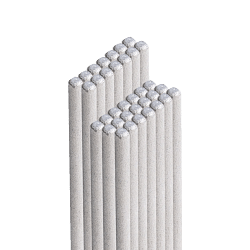
Professional welding electrodes are a crucial element in the world of machine shops and manufacturing industries. These often underestimated components are crucial in ensuring the quality and strength of welds, directly influencing the durability and safety of metal structures. In this in-depth look, we will explore in detail what welding electrodes are, what they are used for, how they are used and what advantages they offer. We will also answer frequently asked questions to provide a complete understanding of this essential topic.
Understanding welding electrodes
Welding electrodes are coated metal components used to join two pieces of metal through the process of arc welding. They act as conductors of electric current, creating an electric arc between the electrode itself and the metal to be welded. This arc generates enough heat to melt the base metal and the electrode, forming a solid joint once cooled.
Types of welding electrodes
There are different types of electrodes, each designed for specific applications and materials. The most common include:
- Coated electrodes: These electrodes are covered with a coating that protects the molten metal from oxidation and improves arc stability. They are widely used due to their versatility and ease of use.
- TIG electrodes (Tungsten Inert Gas): Used in the TIG welding process, these electrodes do not wear out during welding and require the use of an inert gas to protect the weld pool.
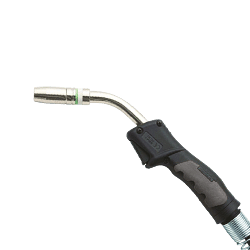
- MIG electrodes (Metal Inert Gas): These electrodes are continuous wires used in the MIG welding process, where an inert or semi- inert gas protects the molten metal.
Applications of welding electrodes
Welding electrodes find applications in a wide range of industries, including:
- Shipbuilding: Essential for the construction and repair of ships, where weld strength and durability are critical.
- Automotive industry: Used to assemble chassis and structural components, ensuring safety and reliability.
- Infrastructure: Used in the construction of bridges, buildings and other structures, where the quality of welds is critical for public safety.
Advantages of using professional welding electrodes
The use of professional welding electrodes offers numerous advantages, including:
- Improved welding quality: High-quality electrodes ensure stronger and more durable welds, reducing the risk of structural failure.
- Operational efficiency: Electrodes designed for specific applications can improve the efficiency of the welding process, reducing machining time and operating costs.
- Versatility: The availability of different types of electrodes allows them to cope with a wide range of materials and working conditions, making them suitable for multiple industrial applications.
Correct use of welding electrodes
To achieve the best results, it is essential to use welding electrodes correctly. Here are some practical tips:
- Electrode selection: Choosing the right electrode according to the material to be welded and the type of weld required is essential to ensure a quality joint.
- Metal preparation: Ensure that the surfaces to be welded are clean and free of contaminants to avoid welding defects.
- Current setting: Set the correct current according to the electrode diameter and type of weld to achieve a stable arc and adequate penetration.
Frequently asked questions about welding electrodes
1. What is the difference between coated and uncoated electrodes? Coated electrodes are covered with a material that protects the molten metal from oxidation and improves arc stability, while uncoated electrodes do not offer this protection.
2. How are welding electrodes stored? Electrodes must be stored in a dry, moisture-free environment to avoid corrosion and ensure optimum performance.
3. Can the same electrode be used for different types of metal? Not all electrodes are suitable for all metals. It is important to select the appropriate electrode for the specific material to be welded.
4. What are the signs of poor welding quality? Signs of poor quality welding include cracks, porosity, lack of penetration and deformations. These defects can compromise the strength and durability of the joint.
5. How can the weld quality be improved? To improve welding quality, it is essential to use high-quality electrodes, to properly prepare the surfaces to be welded, and to properly adjust the welding current.
In conclusion, professional welding electrodes are indispensable tools for machine shops and manufacturing industries. Their correct selection and use can make the difference between a high-quality weld and a defective joint. Investing in quality electrodes and following best welding practices not only improves operational efficiency, but also ensures the safety and longevity of metal structures.