Acrylic, cyanoacrylate and epoxy adhesives: advanced solutions for the mechanical industry
In the world of mechanical engineering, the use of specialised adhesives has become a crucial element in ensuring the quality and efficiency of production processes. Acrylic, cyanoacrylate and epoxy adhesives represent three of the most advanced and versatile solutions available on the market. These adhesives offer a wide range of applications, from simple repairs to the complex construction of mechanical components, and are appreciated for their unique properties that make them indispensable in many industrial contexts.
Acrylic adhesives: versatility and strength
Acrylic adhesives are known for their excellent weather and chemical resistance, making them ideal for outdoor applications and harsh environments. These adhesives are characterised by rapid cure and strong adhesion to a wide range of materials, including metals, plastics and glass. Their ability to maintain structural integrity even under mechanical stress makes them particularly useful in machine shops, where durability is a key requirement.
The use of acrylic adhesives is particularly advantageous in applications requiring long-term durability and operational flexibility. For example, they are often used for the assembly of automotive components, where resistance to vibration and temperature changes is essential. In addition, their ability to adhere to slightly oily or dirty surfaces makes them ideal for intensive production environments.
Cyanoacrylates: fast and precise
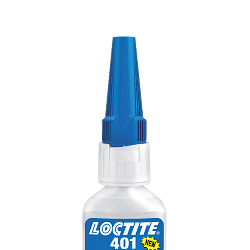
Cyanoacrylate adhesives, commonly known as 'super glue', are prized for their ability to cure quickly at room temperature. This characteristic makes them ideal for applications requiring immediate fixation and high precision. Cyanoacrylics are particularly effective on smooth, non-porous surfaces, such as metals and ceramics, and are often used for quick repairs and precision assembly.
In machine shops, cyanoacrylate adhesives are used to fix small components that require immediate and long-lasting adhesion. Their ability to form strong, durable bonds in seconds makes them indispensable for quick maintenance work, reducing downtime and increasing operational efficiency.
Epoxies: strength and durability
Epoxy adhesives are renowned for their exceptional adhesive strength and ability to withstand extreme conditions. These adhesives are composed of two components that, when mixed, form an extremely strong and durable bond. Epoxies are ideal for applications requiring high mechanical and chemical resistance, such as the assembly of metal structures and the repair of critical components.
In the mechanical industry, epoxy adhesives are often used to bond dissimilar materials, such as metal and plastic, ensuring a secure and reliable bond. Their ability to withstand high temperatures and mechanical stresses makes them particularly suitable for applications in harsh environments, such as engines and industrial plants.
Advantages of industrial adhesives
The use of acrylic, cyanoacrylate and epoxy adhesives offers several advantages over traditional bonding methods such as welding and bolting. Firstly, adhesives allow for an even distribution of stresses, reducing the risk of stress concentrations that can lead to structural failure. In addition, the use of adhesives eliminates the need to puncture or damage materials, preserving the integrity of surfaces and improving the aesthetics of the final product.
Another significant advantage is the reduction of the overall weight of the assembled structures. Adhesives offer lightweight fastening solutions, helping to improve the energy efficiency and performance of finished products. In addition, the use of adhesives can simplify manufacturing processes, reducing assembly time and associated costs.
Frequently asked questions about industrial adhesives
1. What are the main differences between acrylic, cyanoacrylate and epoxy adhesives?
Acrylic adhesives are known for their weather and chemical resistance, while cyanoacrylics offer fast cure and strong adhesion to smooth surfaces. Epoxies, on the other hand, are prized for their adhesive strength and ability to withstand extreme conditions.
2. How do I choose the right adhesive for a specific application?
The choice of adhesive depends on the specific needs of the application, such as the type of materials to be bonded, environmental conditions and mechanical strength requirements. It is important to consider the unique properties of each type of adhesive to ensure optimal adhesion.
3. Are industrial adhesives safe to use?
Yes, industrial adhesives are safe when used correctly. It is important to follow the manufacturer's instructions and take appropriate safety precautions, such as wearing protective gloves and goggles, to avoid direct contact with skin and eyes.
4. Can adhesives be used in high temperature environments?
Epoxy adhesives are particularly suitable for applications in high temperature environments due to their ability to withstand extreme conditions. However, it is important to check the product specifications to ensure that the chosen adhesive is suitable for the intended application.
5. Can an adhesive be removed once applied?
Removing an adhesive can be difficult and depends on the type of adhesive used. In some cases, specific solvents or heat can be used to facilitate removal. However, it is important to consider that removal may damage the underlying surfaces.
In conclusion, acrylic, cyanoacrylate and epoxy adhesives offer advanced and versatile solutions for the mechanical industry, providing safe and durable adhesion in a wide range of applications. Understanding the unique properties of each type of adhesive is essential for choosing the most suitable solution for specific needs, improving the efficiency and quality of production processes.
Read More Read Less