Professional pneumatic drills: an in-depth analysis
In the world of mechanical workshops, efficiency and precision are key elements in ensuring high-quality service. Among the indispensable tools for achieving these goals, professional pneumatic drills occupy a prominent place. These tools, known for their power and reliability, are designed to tackle the toughest challenges in vehicle maintenance and repair. In this article, we will explore in detail what professional pneumatic drills are, how they work, their advantages and practical applications in mechanical workshops.
What are professional pneumatic drills?
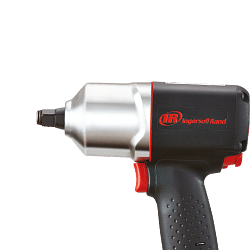
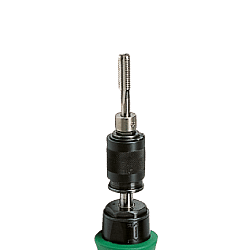
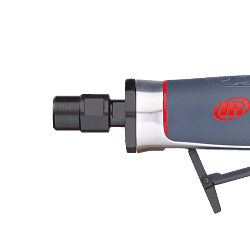
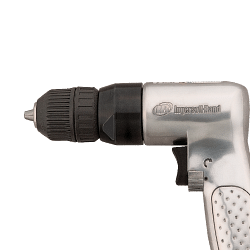
Professional pneumatic drills are air-powered tools designed to perform drilling and screwdriving operations with extreme precision and power. Unlike electric drills, which depend on an electric motor, pneumatic drills use the energy of compressed air to generate rotary motion. This makes them particularly suitable for industrial and professional applications, where power and durability are essential.
How do pneumatic drills work?
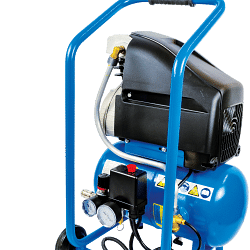
The operation of pneumatic drills is based on an air compression system. Compressed air is stored in a tank and, when the drill is activated, the air is released through a system of valves and pistons. This air flow generates the rotary motion required for drilling or screwing. The speed and power of the drill can be adjusted by varying the air pressure, thus offering precise control during use.
Advantages of professional pneumatic drills
One of the main advantages of pneumatic drills is their power. Thanks to the use of compressed air, these tools can generate considerable force, making them ideal for heavy and prolonged work. In addition, pneumatic drills are generally lighter than their electric equivalents, reducing operator fatigue during prolonged use.
Another significant advantage is their durability. Pneumatic drills are built to withstand extreme working conditions, with components designed to minimise wear and the need for maintenance. This makes them an economical long-term choice for machine shops.
Practical applications in machine shops
In machine shops, pneumatic drills find application in a wide range of tasks. They are used to drill metals, alloys and other hard materials, as well as to tighten and loosen bolts and screws with precision. Their ability to operate in confined spaces and handle tough materials makes them indispensable for vehicle maintenance and repair.
Frequently asked questions about pneumatic drills
1. What is the difference between an air drill and an electric drill? The main difference lies in the power source. Pneumatic drills use compressed air, while electric drills depend on an electric motor. Pneumatic drills offer more power and durability, while electric drills are more suitable for light and domestic work.
2. How is an air drill maintained? The maintenance of pneumatic drills is relatively simple. It is important to lubricate the moving parts regularly and check the seals to avoid air leaks. In addition, it is advisable to clean the drill after each use to remove dust and debris.
3. What are the safety requirements for using pneumatic drills? When using pneumatic drills, it is essential to wear personal protective equipment such as safety goggles and gloves. In addition, it is important to ensure that the compressed air system is in good condition and that connections are secure to avoid accidents.
Conclusions
Professional pneumatic drills are an invaluable resource for machine shops, offering power, precision and durability. Their ability to tackle demanding jobs with ease makes them an essential tool for professionals. Investing in a high-quality pneumatic drill can significantly improve operational efficiency and the quality of work performed, ensuring excellent results and satisfied customers.