CNC milling cutters and grooving inserts: a complete guide for machine shops
In the world of machine shops, efficiency and precision are key elements in ensuring the quality of the end product. Among the most commonly used tools for optimal results are CNC milling cutters and grooving inserts. These components are essential for precision machining on different materials, offering a wide range of applications and benefits. In this in-depth look, we will explore in detail what CNC milling cutters and grooving inserts are, how they are used, the benefits they offer and answer some of the most frequently asked questions on this topic.
What are CNC grooving cutters and inserts?
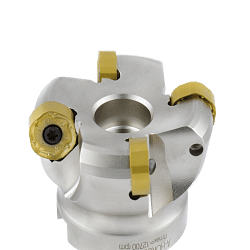
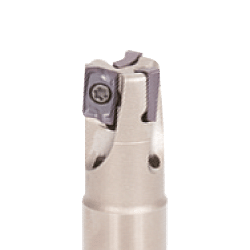
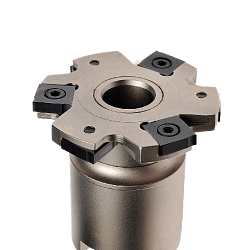
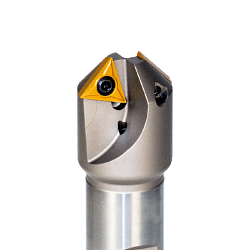
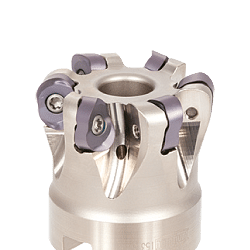
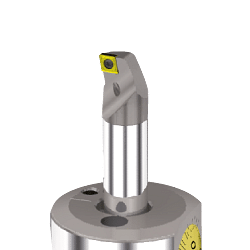
CNC grooving cutters are cutting tools used in CNC machines to create grooves, grooves or profiles on various materials, including metals, alloys, plastics and wood. These cutters are designed to remove material in a precise and controlled manner, ensuring a high quality surface finish. Grooving inserts, on the other hand, are interchangeable components mounted on the cutters, made of durable materials such as tungsten carbide or ceramic, offering longer life and superior performance.
Applications of CNC milling cutters and grooving inserts
CNC milling cutters and grooving inserts find applications in a wide range of industries. In machine shops, they are used for the production of automotive, aerospace, medical and precision components. Due to their versatility, they can be used to produce grooves of different shapes and sizes, such as T-slots, V-slots, rectangular grooves and complex profiles. In addition, they are ideal for finishing, chamfering and contouring operations, ensuring tight tolerances and smooth surfaces.
Advantages of using CNC grooving cutters and inserts
The adoption of CNC milling cutters and grooving inserts offers numerous advantages to machine shops. Firstly, the precision and repeatability of CNC machining allows high quality components to be obtained with minimal tolerances. Furthermore, the use of interchangeable inserts reduces machine downtime, as worn inserts can be quickly replaced without having to remove the entire milling cutter. This translates into greater production efficiency and reduced operating costs.
Another significant advantage is the ability to work on a wide range of materials, thanks to the availability of material-specific inserts. This allows workshops to expand their service offerings and meet the needs of different industries. In addition, CNC milling cutters and grooving inserts are designed to reduce vibration and improve stability during machining, ensuring longer tool life and better machined surface quality.
How to choose CNC grooving cutters and inserts
The choice of CNC grooving cutters and inserts depends on several factors, including the type of material to be machined, the desired groove geometry and the specifications of the CNC machine. It is important to select high-quality milling cutters and inserts that are made from wear-resistant materials and designed for optimum performance. In addition, it is crucial to consider the type of coating on the inserts, which can affect tool life and efficiency.
For best results, it is advisable to work with experienced and reliable suppliers who can offer technical advice and support in selecting the most suitable tools for your specific production needs. Furthermore, it is important to maintain cutters and inserts properly, following the manufacturer's instructions to ensure long life and consistent performance.
Frequently asked questions about CNC grooving cutters and inserts
1. What is the difference between insert milling cutters and monolithic milling cutters?
Insert cutters are tools that use interchangeable inserts mounted on a cutter body, while monolithic cutters are made from a single piece of material. Insert cutters offer greater flexibility and reduced replacement costs, while monolithic cutters are ideal for high-precision machining.
2. How do you determine the optimum cutting speed for CNC milling cutters?
The optimum cutting speed depends on the material to be machined, the diameter of the cutter and the type of insert used. It is important to consult the tables provided by the manufacturer and consider the specifications of the CNC machine to determine the most suitable cutting speed.
3. What are the wear signals of grooving inserts?
Signs of insert wear include a reduction in the quality of the machined surface, increased vibration during machining and the need to apply more cutting force. It is important to replace worn inserts to maintain machining quality and efficiency.
4. Can CNC grooving cutters and inserts be used on composite materials?
Yes, there are specific inserts designed to work on composite materials, which offer optimum performance and reduce the risk of delamination or material damage.
5. How do you maintain CNC milling cutters and grooving inserts?
Maintenance of milling cutters and inserts includes regular cleaning of the tools, checking the wear of the inserts and timely replacement of damaged inserts. It is important to follow the manufacturer's instructions to ensure long life and optimum performance.
In conclusion, CNC milling cutters and grooving inserts are indispensable tools for machine shops looking to achieve high precision and quality machining. Their versatility, efficiency and ability to work on a wide range of materials make them an ideal choice for a variety of industrial applications. Choosing the right tools and keeping them in good condition is critical to maximising the benefits and ensuring successful machining operations.
Read More Read Less