< Measuring and precision tools Zero setters and edge finders
Tool setters and centring devices for machine tools: a complete guide
In the world of machine shops, accuracy and precision are key elements in guaranteeing the quality of the end product. Setters and centring devices for machine tools play a crucial role in this context, offering advanced solutions to improve the efficiency and precision of machining operations. In this in-depth look, we will explore in detail what these tools are, how they work, their benefits and answers to frequently asked questions.
Introduction to zeroers and centring devices
Setters and centring devices are devices used in machine tools to ensure that workpieces are positioned correctly and that cutting, drilling or milling operations are performed with maximum precision. These tools are essential for reducing machining errors and improving the quality of the end product.
What are machine tool setters?
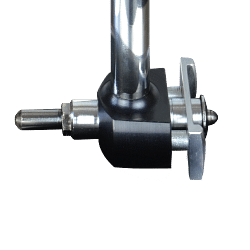
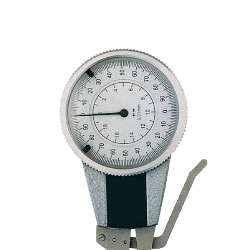
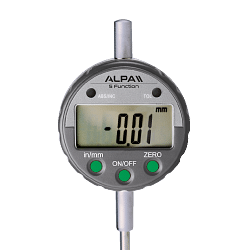
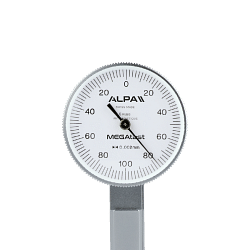
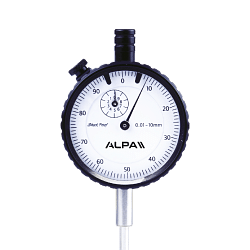
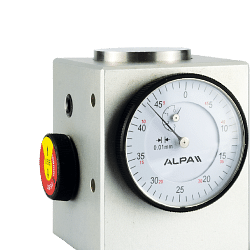
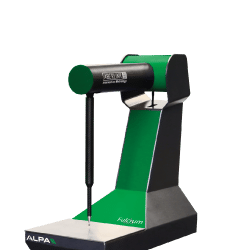
Zero setters are tools designed to set the zero point of a machine tool. This zero point is the reference from which all measurements and machining operations are performed. Zero setters can be mechanical, electronic or optical, and their choice depends on the specific needs of the workshop and the type of machine tool being used.
Operation of the zero-setters
Mechanical zero-setters use a physical contact system to determine the zero point, while electronic and optical zero-setters use advanced sensors to detect the exact position of the workpiece. The use of electronic and optical zero-setters is particularly advantageous in applications requiring high precision, as they minimise human error.
What are machine tool centring devices?
Centring devices are devices used to align the workpiece with the axis of the machine tool. This alignment is critical to ensure that machining operations are performed consistently and accurately. Centring devices can be manual or automatic, and their choice depends on the complexity of the machining operations and the level of automation in the workshop.
Advantages of using zeroers and centring devices
The use of zeroers and centring devices offers numerous advantages, including:
1. Increased accuracy: These tools reduce positioning and alignment errors, improving the precision of machining operations.
2. Reduced set-up time: Zero-setters and centring tools automate the set-up process, reducing the time needed to prepare the machine tool.
3. Improved product quality: With greater accuracy and better alignment, the quality of the final product is greatly improved.
4. Reduced rejects: Precision and accuracy reduce the likelihood of errors, thus decreasing the amount of rejected material.
5. Increased productivity: With reduced setup times and increased accuracy, workshops can increase their overall productivity.
How to choose the right zeroers and centring devices
Choosing the right zero-setters and centring devices depends on several factors, including the type of machine tool, the level of accuracy required and the available budget. It is also important to consider compatibility with existing systems and the ease of use of the tools.
Frequently asked questions about zero-setters and centring devices
1. What is the difference between a mechanical and an electronic zero-setter?
Mechanical zeroers use a physical contact to determine the zero point, while electronic zeroers use sensors to detect the position.
2. Can zero setters and centring devices be used on all machine tools?
Most modern machine tools are compatible with zero setters and centring devices, but it is important to check compatibility with the manufacturer.
3. What are the costs associated with the implementation of zero-setters and centring devices?
Costs vary depending on the type of tool and the desired level of automation. It is important to consider the return on investment in terms of accuracy and productivity.
4. Do zeroers and centrators require maintenance?
Like any other instrument, zeroers and centrators require regular maintenance to ensure optimal performance.
5. What are the future trends for zeroers and centring devices?
As technology advances, it is expected that zeroers and centrators will become increasingly automated and integrated with advanced control systems.
Conclusion
Zero-setters and centrators for machine tools are essential tools for machine shops aiming to improve accuracy, reduce setup times and increase productivity. Choosing the right tools and implementing them correctly can make all the difference in the quality of the end product and overall operational efficiency. As technology continues to evolve, these tools will continue to play a crucial role in the future of machining.
Read More Read Less