< Measuring and precision tools Thickness gauges
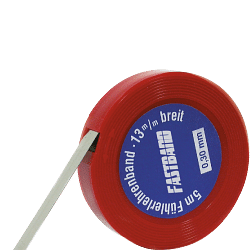
Thickness gauges are essential tools in the machine shop sector, used to accurately measure the thickness of materials and coatings. These devices are essential to guarantee the quality and conformity of finished products, ensuring that they meet the required technical specifications. In this in-depth look, we will explore in detail what feeler gauges are, how they work, their benefits and practical applications in machine shops.
Introduction to feeler gauges
feeler gauges are measuring instruments designed to determine the thickness of a material or coating. They are used in a wide range of industries, including automotive, aerospace, shipbuilding and manufacturing. Their ability to provide accurate measurements is crucial for quality control and to ensure that finished products meet safety and performance standards.
Types of feeler gauges
There are different types of feeler gauges, each designed for specific applications. Among the most common are:
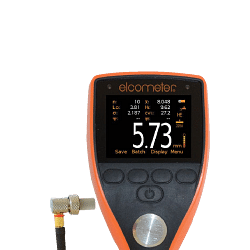
1. Ultrasonic thickness gauges: Used primarily to measure the thickness of metallic and non-metallic materials. They work by sending ultrasonic waves through the material and measuring the time it takes for the echo to return.
2. Magnetic thickness gauges: Ideal for measuring the thickness of non-magnetic coatings on ferrous substrates. They use the principle of magnetic field variation to determine thickness.
3. Eddy current thickness gauges: Used to measure non-conductive coatings on conductive substrates. They work by generating eddy currents in the material and measuring their intensity.
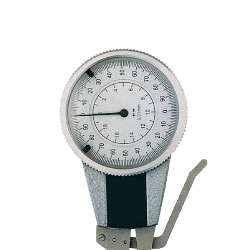
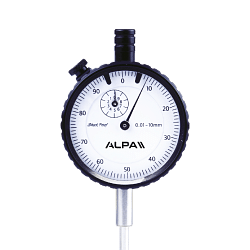
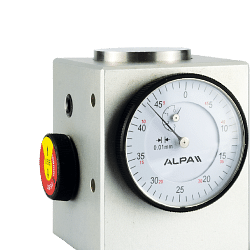
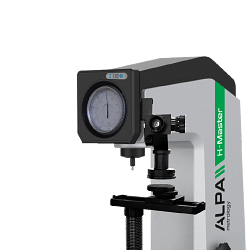
4. Mechanical thickness gauges: These traditional instruments use a system of levers and dials to measure thickness. They are less common in modern applications but still used in some specific situations.
Practical applications in machine shops
In machine shops, feeler gauges are used for a variety of applications, including:
- Quality control: They ensure that manufactured components meet design specifications, avoiding defects that could compromise safety and performance.
- Preventive maintenance: They help monitor the wear of materials and coatings, preventing failures and extending the life of equipment.
- Compliance verification: They help ensure that finished products comply with regulations and industry standards.
Benefits of using feeler gauges
The use of feeler gauges offers numerous advantages, including:
- Accuracy: They provide accurate and repeatable measurements, essential for quality control.
- Efficiency: They allow rapid measurements, reducing downtime and increasing productivity.
- Versatility: Can be used on a wide range of materials and coatings, making them suitable for multiple applications.
- Non-destructive: Most feeler gauges allow measurements to be taken without damaging the material or coating.
Frequently Asked Questions about feeler gauges
1. What is the difference between an ultrasonic feeler gauge and a magnetic feeler gauge?
Ultrasonic feelers are ideal for both metallic and non-metallic materials, while magnetic feelers are specifically for non-magnetic coatings on ferrous substrates.
2. How is a feeler gauge calibrated?
Calibration varies depending on the type of feeler gauge, but generally involves the use of reference samples with known thicknesses to adjust the instrument.
3. Can feeler gauges measure transparent materials?
Yes, ultrasonic feeler gauges can measure transparent materials, as long as the material allows the ultrasonic waves to pass through.
4. What are the thickness limits that a feeler gauge can measure?
The limits vary depending on the type of feeler gauge and the material, but generally they can measure thicknesses from a few microns to several centimetres.
5. Is training necessary to use a feeler gauge?
Although many feeler gauges are designed to be intuitive, proper training is recommended to ensure accurate measurements and to understand the technical specifications of the instrument.
Conclusions
Feeler gauges are indispensable tools in machine shops, offering accuracy, efficiency and versatility in thickness measurements. Their ability to ensure product quality and conformity makes them a valuable investment for any industrial operation. With a thorough understanding of their functionality and applications, workshops can optimise production processes and improve the overall quality of their products.
Read More Read Less