< Measuring and precision tools Roughness testers
Precision surface roughness gauges are an essential tool in modern machine shops. These devices, designed to measure the roughness of surfaces, are essential for ensuring the quality and reliability of mechanical components. The roughness of a surface can significantly influence the performance of a component, determining its resistance to wear, its ability to hold lubricants and its interaction with other components.
Understanding Precision Roughness Gauges
Precision roughness testers are measuring instruments that quantify the roughness of a surface through specific parameters such as Ra (arithmetic mean roughness), Rz (maximum profile height) and Rt (total profile height). These parameters provide a detailed representation of surface topography, which is essential for quality control in manufacturing processes.
The importance of roughness in mechanical surfaces
The roughness of a surface is not just a matter of aesthetics; it directly influences the functional properties of a component. A surface that is too rough can cause excessive friction, premature wear and energy inefficiency. Conversely, a surface that is too smooth may not adequately retain lubricants, compromising component life and efficiency. Therefore, accurate measurement of roughness is crucial to optimise the performance and longevity of mechanical components.
Using Roughness Gauges in Machine Shops
In machine shops, precision roughness gauges are used for quality control during and after the production process. These instruments allow operators to verify that component surfaces meet design specifications and regulatory requirements. The use of roughness gauges allows surface defects to be identified and corrected before components are assembled or shipped to customers.
Advantages of using precision roughness gauges
The adoption of precision roughness gauges offers several advantages to machine shops. Firstly, it ensures that the components produced meet the required quality standards, reducing the risk of defects and customer complaints. Furthermore, the use of these instruments can improve production efficiency, as they allow roughness problems to be identified and resolved quickly, avoiding delays and additional costs. Finally, roughness testers help extend the life of components, reducing the need for maintenance and replacement.
Frequently asked questions about precision roughness gauges
1. What are the main roughness parameters measured by roughness gauges?
The main roughness parameters measured include Ra, Rz and Rt. Ra represents the arithmetic mean roughness, Rz the maximum profile height and Rt the total profile height.
2. How is a precision roughness tester calibrated?
Calibrating a precision roughness tester requires the use of reference samples with known roughness. The device is adjusted to ensure that measurements are accurate and repeatable.
3. What are the typical applications of roughness testers in machine shops?
Roughness gauges are used for quality control of components such as shafts, gears, bearings and sealing surfaces, where roughness affects performance and durability.
4. What are the differences between the various types of roughness gauges?
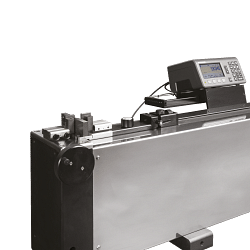
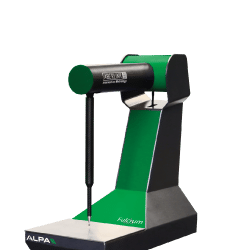
There are different types of roughness gauges, including hand-held and bench-top. Hand-held roughness testers are ideal for field measurements, while bench-top roughness testers offer higher accuracy and advanced features for laboratory applications.
5. How does roughness affect the lubrication of mechanical components?
Roughness affects the ability of a surface to retain lubricant. Optimal roughness ensures an even distribution of lubricant, reducing friction and wear.
Conclusions
Precision surface roughness gauges are indispensable tools for machine shops that aim to ensure the quality and reliability of their products. The ability to accurately measure surface roughness allows them to optimise component performance, reduce production costs and improve customer satisfaction. Investing in precision roughness gauges is a strategic choice for any company wishing to maintain a competitive advantage in manufacturing.
Read More Read Less