< Measuring and precision tools Digital and analogue hardness testers
Precision digital and analogue hardness testers: a complete guide for machine shops
In the world of machine shops, precision is a crucial element that determines the quality of the work performed. Among the essential tools for ensuring such precision, digital and analogue precision hardness testers occupy a prominent place. These instruments are essential for measuring the hardness of materials, a parameter that directly affects the performance and durability of mechanical components. In this in-depth look, we will explore in detail what hardness testers are, how they work, their benefits and practical applications in machine shops.
Understanding hardness testers: precision instruments for measuring hardness
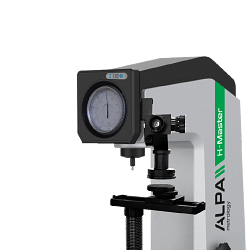
Hardness testers are instruments designed to measure the hardness of a material, a parameter that indicates the material's resistance to permanent deformation. There are several hardness scales, including Rockwell, Brinell and Vickers, each of which is suitable for specific types of materials and applications. Precision digital and analogue hardness testers are available in various configurations to meet the specific needs of machine shops.
Digital hardness testers: advanced technology for precise measurements
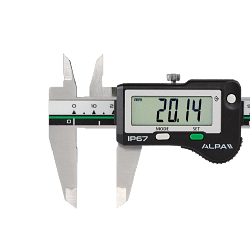
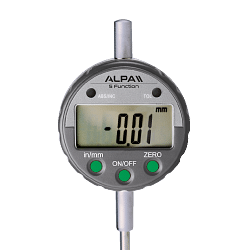
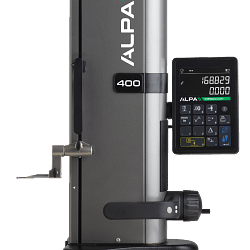
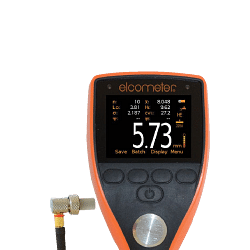
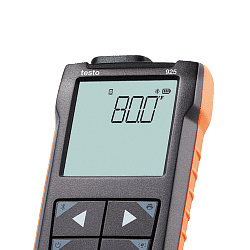
Digital hardness testers represent the technological evolution of hardness measuring instruments. Equipped with digital displays, these instruments offer accurate and easily readable readings, minimising human error. Digital technology also allows data to be stored and transferred to computers or other devices for further analysis. Digital hardness testers are particularly appreciated in machine shops for their ease of use and measurement accuracy.
Analogue hardness testers: reliability and ease of use
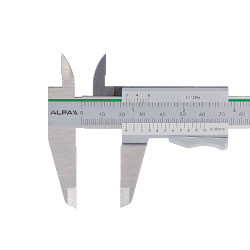
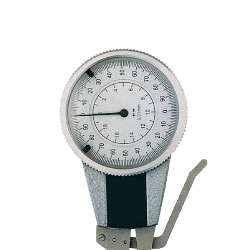
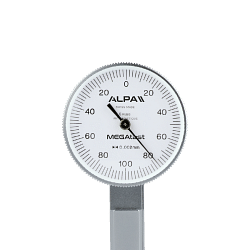
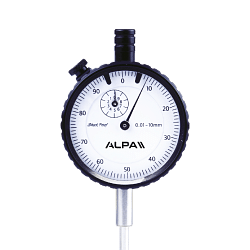
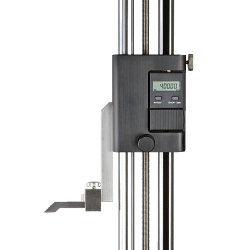
Despite the advancement of digital technology, analogue hardness testers continue to be widely used in machine shops. These instruments, based on mechanical mechanisms, offer a robustness and ease of use that make them ideal for demanding work environments. Analogue hardness testers are often preferred for applications where digital technology may be excessive or unnecessary.
Practical applications of hardness testers in machine shops
In machine shops, hardness testers are used for a wide range of applications. From checking the hardness of metals used in the production of mechanical components, to assessing the quality of heat treatments, these instruments are essential in ensuring that materials meet the required standards. The ability to accurately measure hardness enables workshops to optimise production processes and improve the overall quality of finished products.
Benefits of using digital and analogue hardness testers
The use of digital and analogue precision hardness testers offers numerous advantages to machine shops. These include the ability to obtain accurate and repeatable measurements, which are crucial for quality control. In addition, the ability to quickly identify any discrepancies in material hardness allows for early intervention to correct any problems, thus reducing downtime and costs associated with manufacturing defects.
Frequently asked questions about hardness testers in machine shops
1. What is the main difference between a digital and an analogue hardness tester?
The main difference lies in the technology used to display and record measurements. Digital hardness testers use electronic displays to provide accurate readings and can store data, while analogue hardness testers use mechanical scales to display measurements.
2. Which type of hardness tester is most suitable for machine shops?
The choice between a digital and an analogue hardness tester depends on the specific needs of the workshop. Digital hardness testers are ideal for applications requiring high accuracy and data logging, while analogue hardness testers are preferred for their robustness and ease of use.
3. How do you calibrate a hardness tester?
Calibrating a hardness tester is a fundamental process to ensure accurate measurements. Typically, standard hardness blocks are used to check and adjust the accuracy of the instrument. It is important to follow the manufacturer's instructions for proper calibration.
4. What are the most common hardness scales used in machine shops?
The most common hardness scales include Rockwell, Brinell and Vickers. Each scale is suitable for specific types of materials and applications, and the choice of scale depends on the characteristics of the material to be measured.
5. Can a hardness tester be used to measure the hardness of non-metallic materials?
Yes, there are specific hardness testers designed to measure the hardness of non-metallic materials, such as plastics and rubber. However, it is important to use the appropriate instrument for the type of material being tested.
Conclusion: the importance of hardness testers in machine shops
In conclusion, precision digital and analogue hardness testers are indispensable tools for machine shops that aim to ensure the quality and reliability of their products. The ability to accurately measure the hardness of materials allows them to optimise production processes, improve quality control and reduce costs associated with manufacturing defects. Whether one chooses a digital hardness tester for its advanced technology or an analogue hardness tester for its simplicity and robustness, the important thing is to have the right instrument for the specific needs of the workshop.
Read More Read Less