






< Lubricants for machine tools Water-miscible coolants
Water-miscible metalworking fluids for CNC: an in-depth analysis
In the machine shop world, efficiency and precision are key elements in ensuring the quality of the end product. One crucial aspect that contributes to these goals is the use of water-miscible metalworking fluids for CNC machines. These fluids not only improve machine performance, but also offer a number of benefits that can positively influence the productivity and sustainability of operations.
What are water-miscible metalworking fluids?
Water-miscible metalworking fluids are fluids designed to be mixed with water, forming an emulsion that is used to cool and lubricate tools and workpieces during cutting and milling operations. These fluids are essential for reducing friction and heat generated during machining, thus preventing premature tool wear and improving the surface quality of the machined workpiece.
What are water-miscible metalworking fluids used for?
The main use of water-miscible metalworking fluids is to cool and lubricate during machining operations. Their ability to dissipate heat is essential to keep operating temperatures within safe limits, preventing thermal deformations and ensuring precise dimensional tolerances. In addition, lubrication reduces friction between the tool and the workpiece, prolonging tool life and improving surface finish.
How are water-miscible metalworking fluids used?
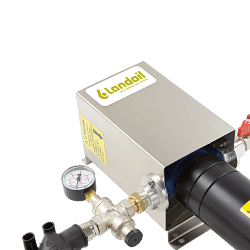
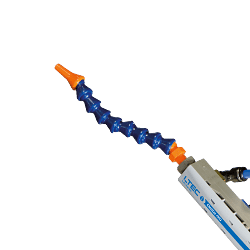
The application of water-miscible metalworking fluids requires proper mixing with water, following the manufacturer's specifications to achieve the optimal concentration. The mixture is then applied through dispensing systems that can vary from simple sprayers to complex recirculation systems. It is important to regularly monitor the concentration and quality of the metalworking fluid to ensure consistent performance and prevent problems such as bacterial growth or corrosion.
Benefits of using water-miscible metalworking fluids
The use of water-miscible metalworking fluids offers several advantages. Firstly, their superior cooling capacity allows higher cutting speeds, which improves productivity. In addition, the reduction in friction and heat prolongs tool life, reducing replacement and maintenance costs. Environmentally, these fluids are generally less polluting than pure oil-based metalworking fluids, as they contain fewer harmful chemicals and are easier to dispose of.
Frequently Asked Questions about water-miscible metalworking fluids
1. What is the ideal concentration for water-miscible metalworking fluids?
The ideal concentration varies depending on the type of process and the manufacturer's specifications, but is generally between 5% and 10%.
2. How do you prevent bacterial growth in water-miscible metalworking fluids?
It is important to maintain the correct concentration and to use biocide additives if necessary. In addition, the recirculation system must be cleaned regularly to prevent contamination.
3. Can water-miscible metalworking fluids cause corrosion?
If used correctly, these fluids should not cause corrosion. However, it is essential to monitor pH and concentration to avoid problems.
4. What are the signs that a water-miscible metalworking fluid needs to be replaced?
Common signs include an unpleasant odour, colour changes, foaming and a decrease in cooling and lubrication performance.
5. Can water-miscible metalworking fluids be recycled?
Yes, many fluid management systems offer solutions for the recycling and reuse of metalworking fluids, thus reducing costs and environmental impact.
In conclusion, water-miscible metalworking fluids for CNC are an effective and sustainable solution to improve machining operations. Their ability to efficiently cool and lubricate not only increases productivity, but also helps reduce operating costs and environmental impact. With proper handling and maintenance, these fluids can offer exceptional and long-lasting performance, making them an ideal choice for modern machine shops.
Read More Read Less